
Sustainable Agriculture
Research Focus Areas

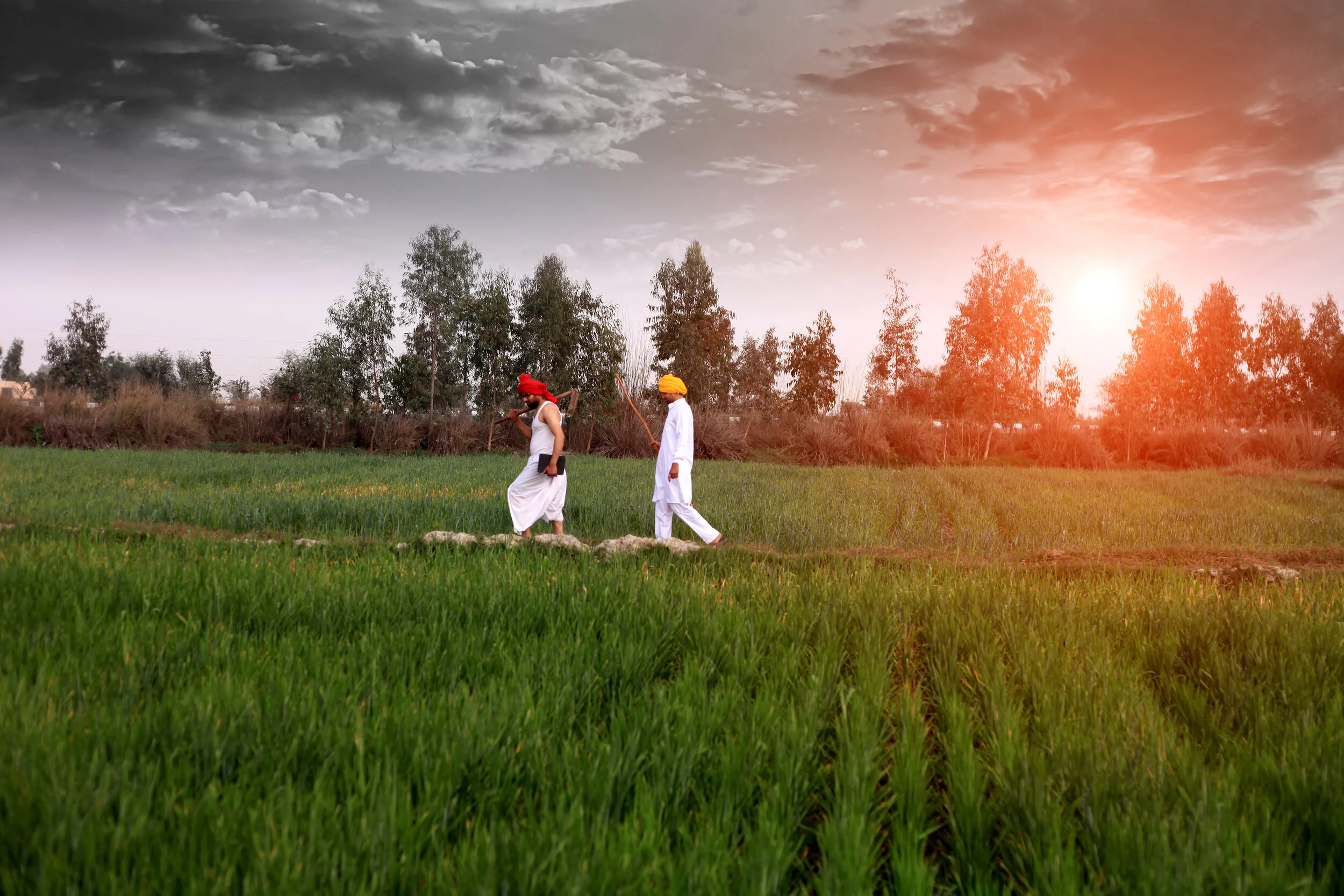
Nature based solutions offer multiple benefits, including reduced emissions, increased economic growth and employment in the agriculture sector, and enhanced resilience. Smallholder farms number more than 500 million globally and their associated households represent a large proportion of the world’s rural poor. The vulnerabilities of this population are multifold and include food insecurity, nutritional deficits, and lack of resources to respond to biophysical shocks that will accompany climate change. CPL seeks to understand how to build more resilient food systems and farming practices to build a more sustainable ecosystem for farmers and their communities.

Kuhl, Laura (2019). Synergies between Climate Policies and the Sustainable Development Goals in Haiti. Available at SSRN. (February 28, 2019).

Kuhl, L. (2018). Potential contributions of market-systems development initiatives for building climate resilience. World Development (108), 131-144.

Cohn, A., Newton, P., Gil, J., Kuhl, L., Samberg, L., Ricciardi, V., Manly, J., Northrop, S. (2017). Smallholder Agriculture and Climate Change. Annual Review of Environment and Resources, 42(1).

Bhandary, R., Karber, K., Narassimhan, E., Pandey, B. (2020). Scaling Up Solar Pumps for Irrigation and Domestic Water Use in Ethiopia: The Role of Blended Finance. Climate Policy Lab.

Chakravorty, U., Hubert, M., Marchand, B.U. (2016). The effect of the U.S. Biofuels Mandate on Poverty in India. CIERP Energy, Climate, and Innovation Program, Discussion Paper 13.

Moomaw, W.R., Bhandary, R., Kuhl, L. and Verkooijen, P. (2016) Sustainable Development Diplomacy: Diagnostics for the Negotiation and Implementation of Sustainable Development. Global Policy, 8: 73–81. DOI: 10.1111/1758-5899.12350

Stratton AE, Kuhl L, Blesh J. 2020. Ecological and nutritional functions of agroecosystems as indicators of smallholder resilience. Frontiers in Sustainable Food Systems, 4, 173

Aker, J. (2018) Are Rainwater Harvesting Techniques Profitable for Small-Scale Farmers? Results from a Pilot Evaluation in Niger. Policy Brief. The Fletcher School, Tufts University. Medford, MA.

Hidrobo, M., Palloni, G., Aker, J., Gilligan, D.O., Ledlie, N. (2020). Paying for Digital Information: Assessing Farmers’ Willingness to Pay for a Digital Agriculture and Nutrition Service in Ghana. IFPRI Discussion Paper.

Yimere, A., Assefa, E. (2021). "Beyond the implications of Grand Ethiopian Renaissance Dam filling policies." AIMS Geosciences, 2021, 7(3): 313-330. doi: 10.3934/geosci.2021019

Yimere, A., Assefa, E. (2021). "Assessment of the Water-Energy Nexus under Future Climate Change in the Nile River Basin" Climate. 2021.

Rose, S., Halstead, J., Griffin, T. "Zero Budget Natural Farming in Andhra Pradesh: A Review of Evidence, Gaps, and Future Considerations" Tufts University. (2021).

Yimere, Abay; Assefa, Engdawork. "Current and Future Irrigation Water Requirement and Potential in the Abbay River Basin, Ethiopia," Sage Journals, Volume: 15. (2022).

Aker, J. and Jack, K. "Harvesting the Rain: The Adoption of Environmental Technologies in the Sahel," The Review of Economics and Statistics. (December 2023).

Holthaus, J., Hailemichael, G., Pandey, B., and Giannantonio, J. "Solarizing Community Water Supply in Amhara State of Ethiopia," Winrock International. (December 2023).