

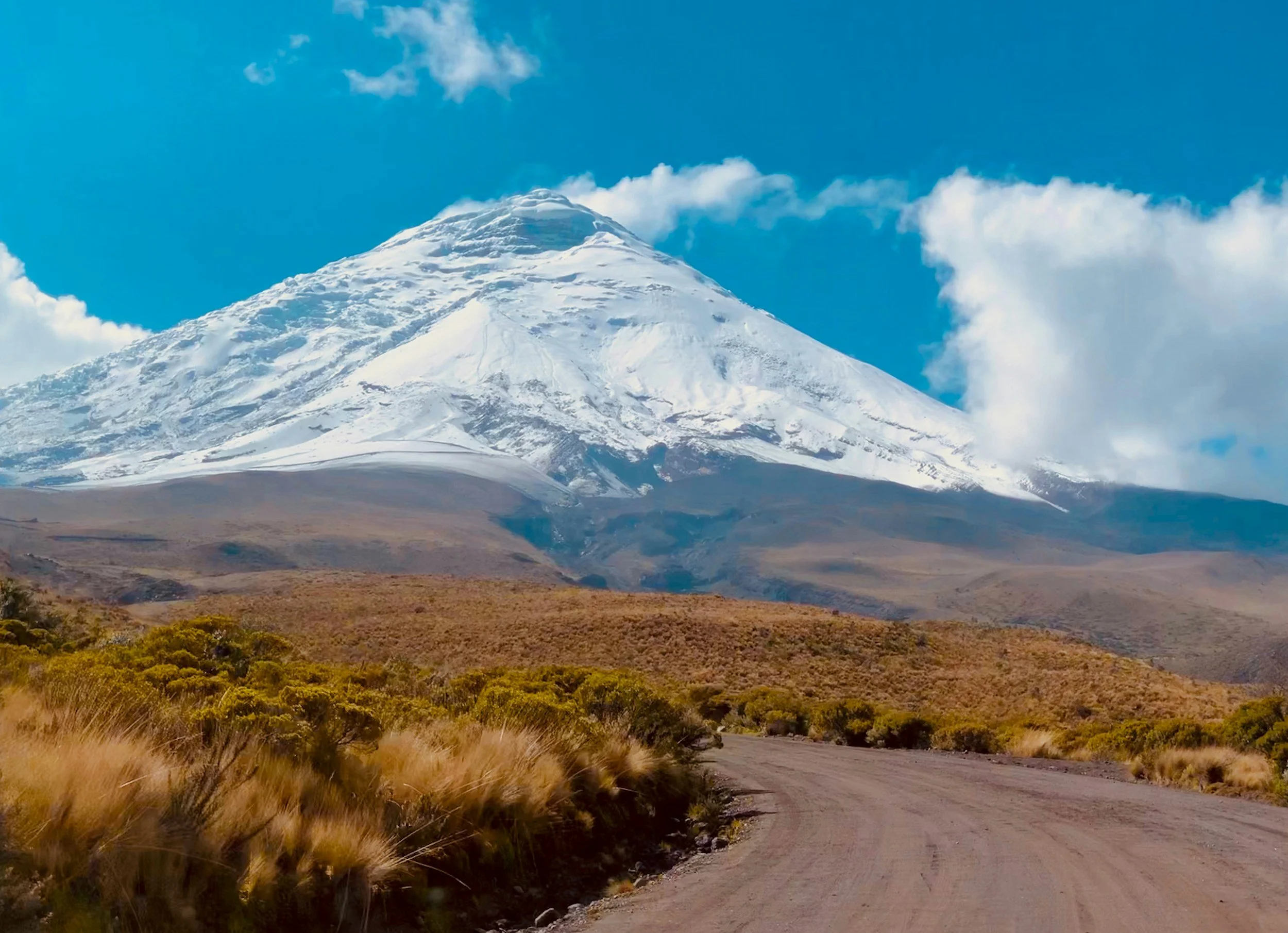
The idea that ecosystems could have rights is hardly new, given that Indigenous communities the world over have been seeing natural entities as fellow “beings” for tens of thousands of years. What is new is the coding of this worldview into legal frameworks. This can sound unconventional and even unrealistic, but nature is not the first non-human entity to be given rights
Read More
Attending the 2025 Assembly this October was valuable exposure to the intersection of environmental policy and broader governance structures in transboundary contexts.
Read More
Negotiations on the Mitigation Work Programme went on for days, followed by delegates breaking into an impromptu huddle minutes before the official end of negotiations, only to conclude in an informal setting after the deadline had passed. Being involved in these intergovernmental climate negotiations, and witnessing firsthand both progress and limitations, was one of the highlights of my internship with the UNFCCC.
Read More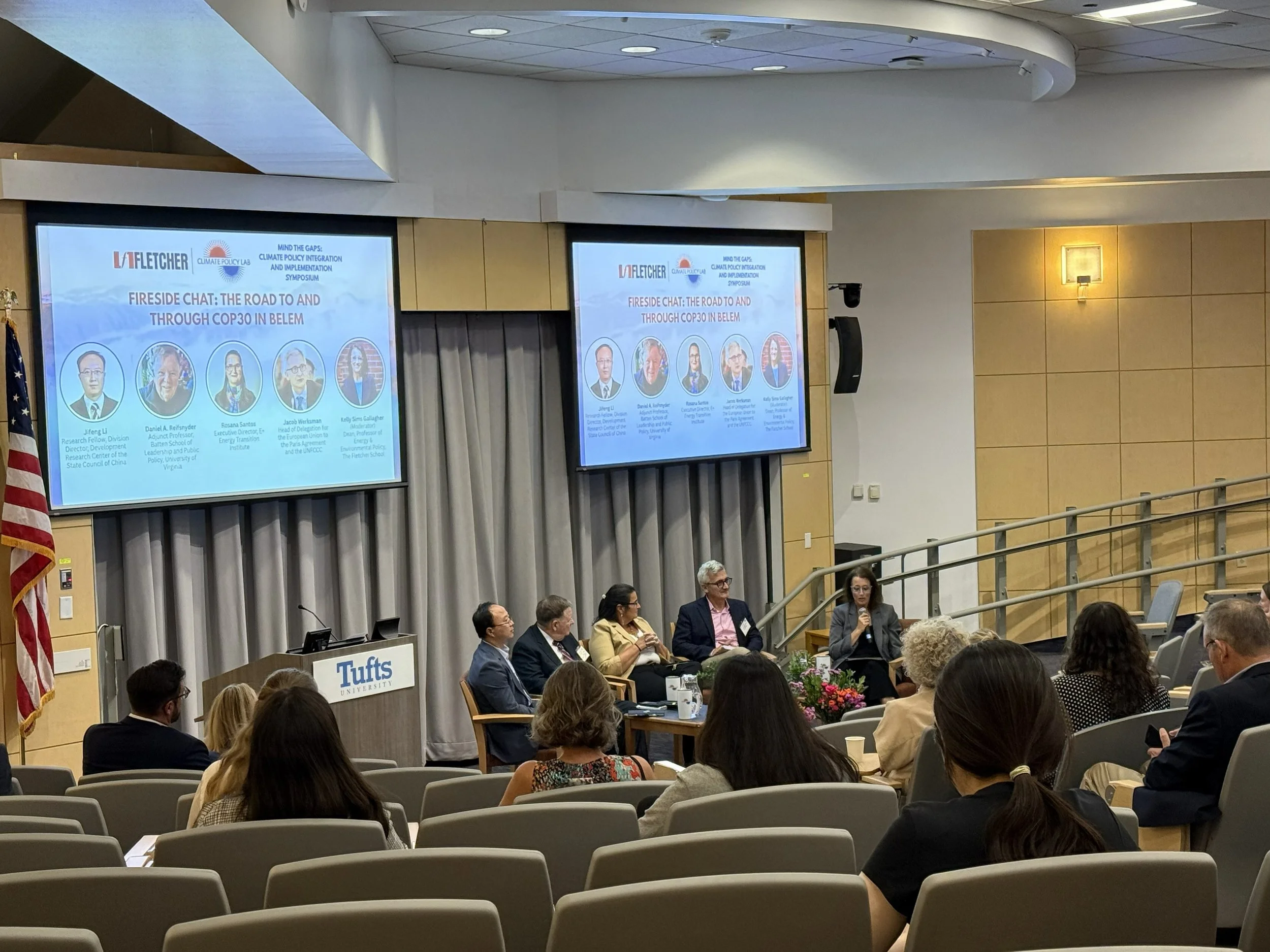
The inaugural Climate Policy Lab (CPL) Symposium “Mind the Gaps: Integration and Implementation in Climate Policy” started off under the looming threats of rising global average temperatures, slowed momentum on climate action across the world, impasse on international trade, ongoing wars, a potentially increased appetite for fossil fuels, and the upcoming UNFCCC COP30 in Belém, Brazil.
Read More