
Lessons on Climate Governance from Inside COP30
By Daniel Alegre
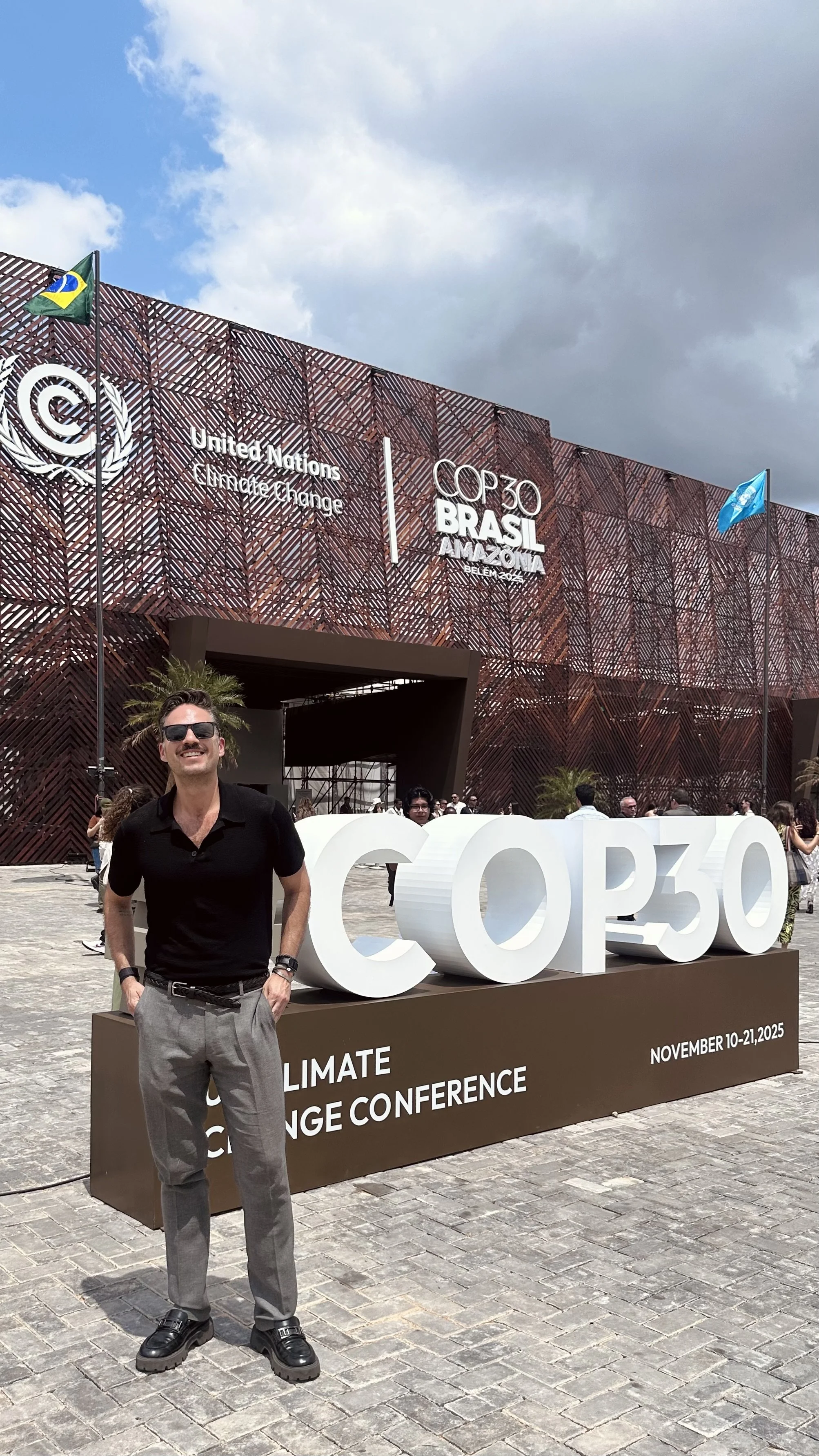
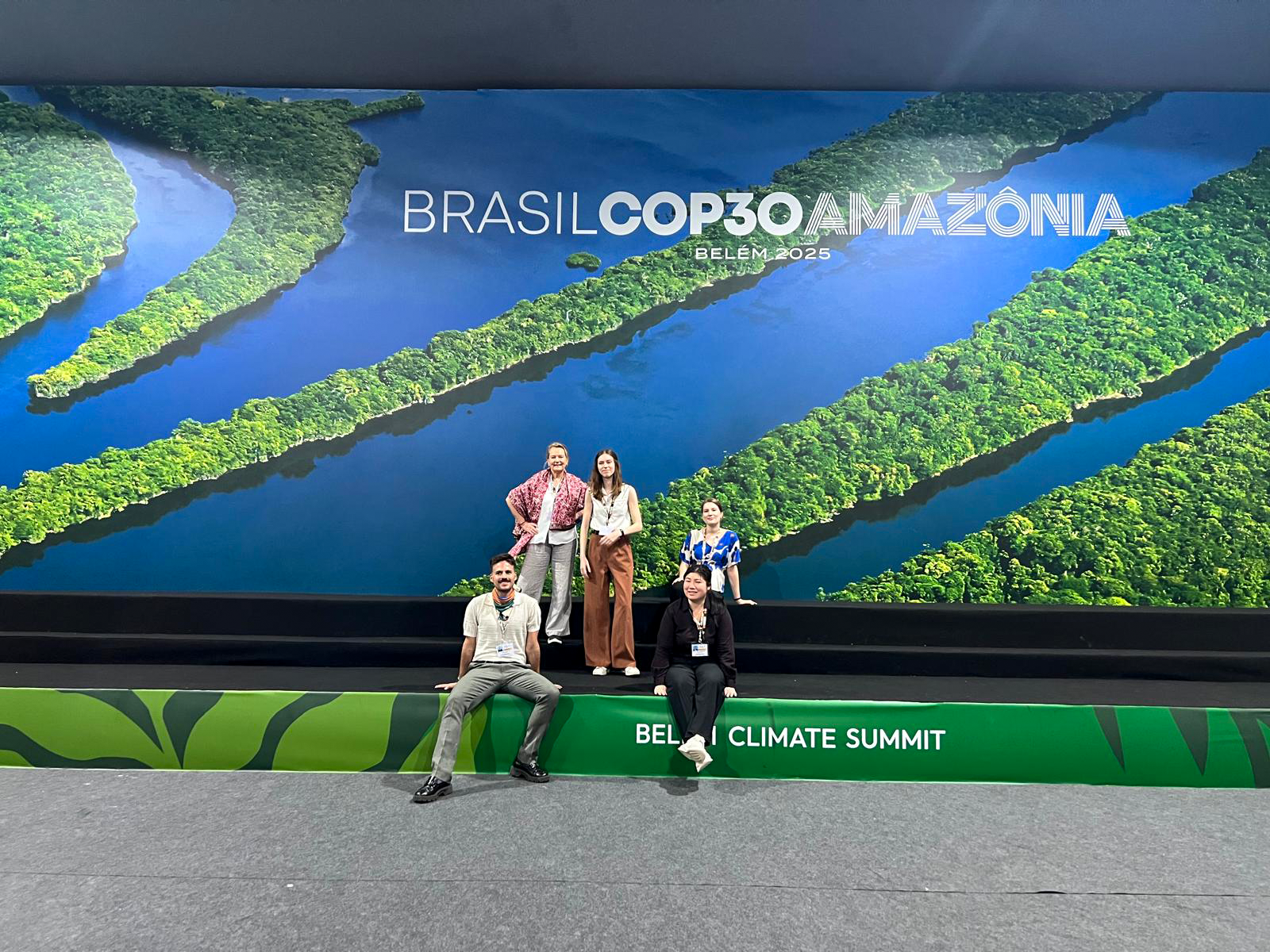
When I first arrived at Fletcher, COP was not just an idea for me, it was a destination. I built my semesters around that goal, connecting climate diplomacy coursework with research and experiential learning like attending the Arctic Circle Conference on my first semester and enrolling into an AI Climate Negotiation exercise at Harvard during my second. So, stepping into COP30 in Belém for my last semester in graduate school felt less like entering a conference and more like reaching a milestone. The Amazonian setting sharpened the contrast between the scale of the crisis and the complexity of the negotiations, and it quickly became clear that the most valuable lessons would come from watching climate governance work through all its tensions in real time.
Governance in search of direction
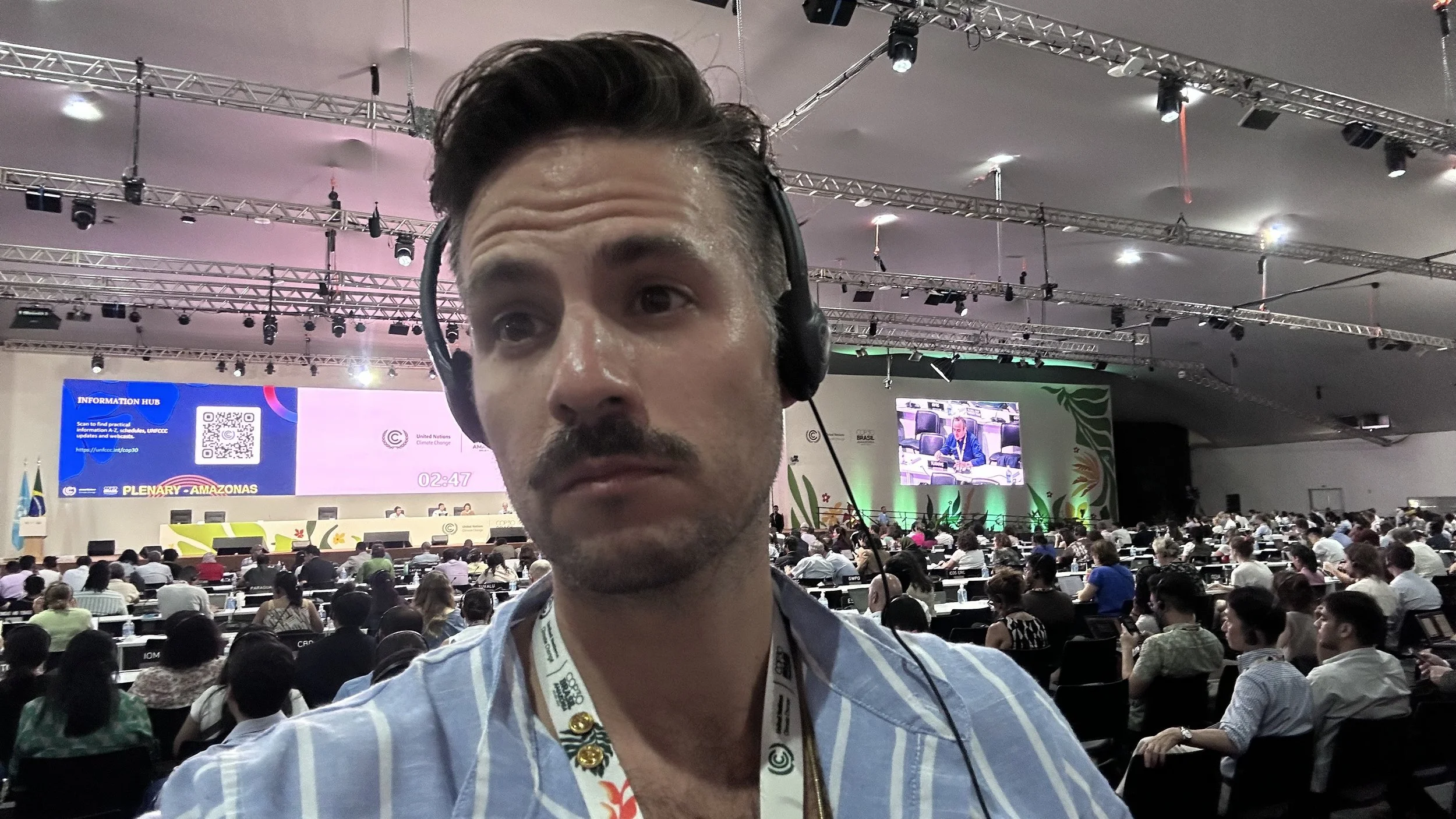
COP30 carried enormous expectations, this summit was branded by the Presidency in turn as the COP of implementation, and Brazil built significant momentum in the months leading up to it in the media and other fora. Yet once negotiations began, the weight of consensus politics became apparent. Countries arrived with common targets like their renewed NDCs, a Global Goal on Adaptation or the newly launched Tropical Forest Forever Facilities; but a shared sense of structure was missing. The intense debates over the agenda, the slow pace of the first week, and the gradual removal of any language referring to fossil fuels revealed how difficult it is to convert broad political agreement into coordinated action. Observing these dynamics from inside the venue made the limits of multilateral governance visible in a way that no briefing or lecture can fully capture. It was a reminder that climate governance is shaped as much by process as by outcome, and that sequencing and organization can determine whether ambition becomes policy.
Implementation is where everything converges
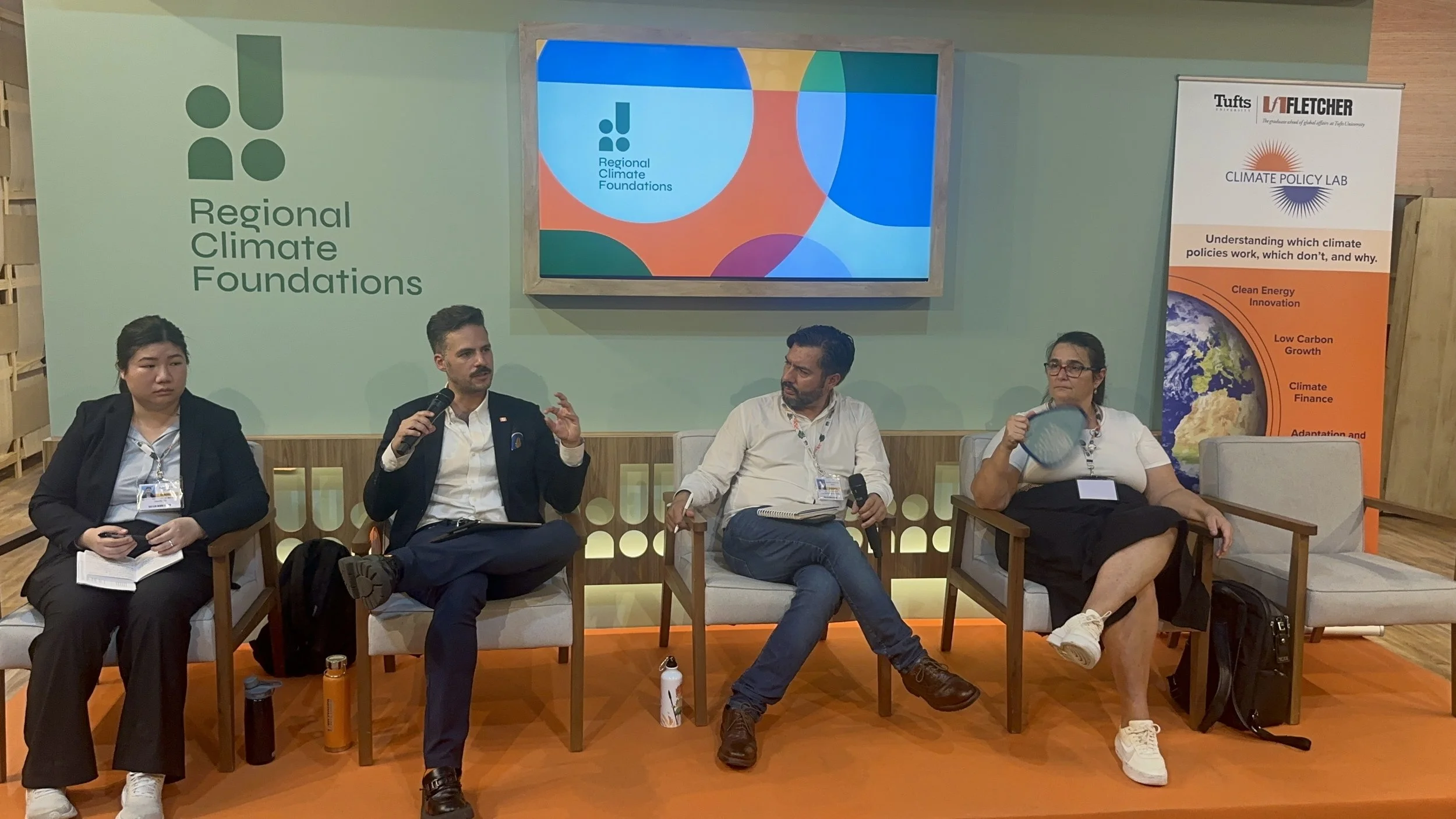
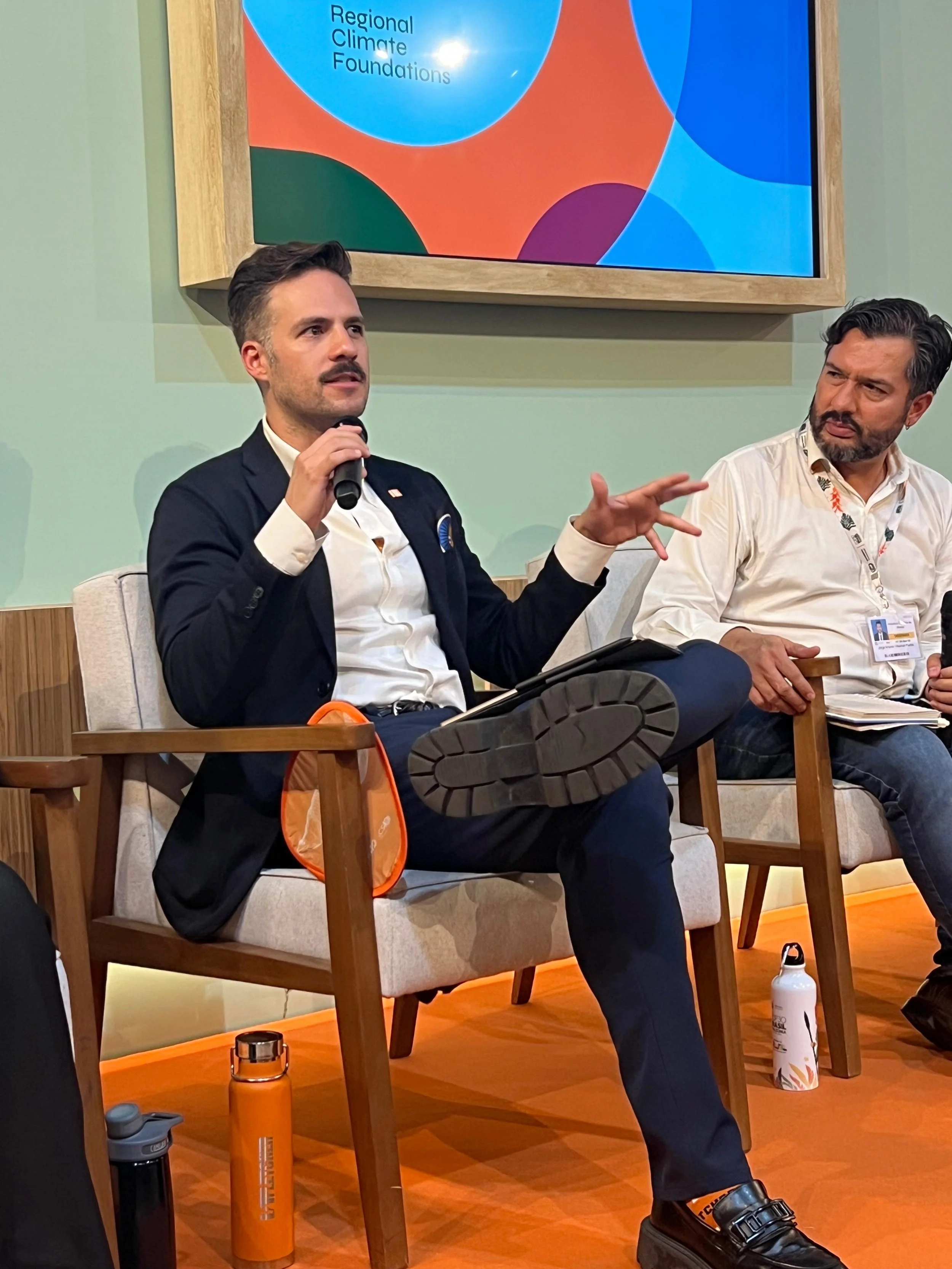
The highlight of my time in Belém was the opportunity to present research from the Climate Policy Lab on a panel inside the COP venue. After following the negotiations and seeing how difficult coordination can be at the international level, sharing our work on Implementation Gap Analyses (IGA) for Mexico and Brazil felt particularly relevant. The presentation carried a personal weight. As the panel session progressed and questions began to come in, I realized that the tools I had developed and refined at Fletcher allowed me to respond with clarity and confidence. The IGA framework highlights how climate ambition often stalls not because of a lack of goals, but because institutions lack the coordination, data systems, and resources to turn plans into results. Playing a part on this and showcasing it to fellow observers, academics, policymakers and stakeholders showed how academic work can illuminate real policy gaps and why institutions like CIERP matter in these global spaces.
Access and the value of being in the room
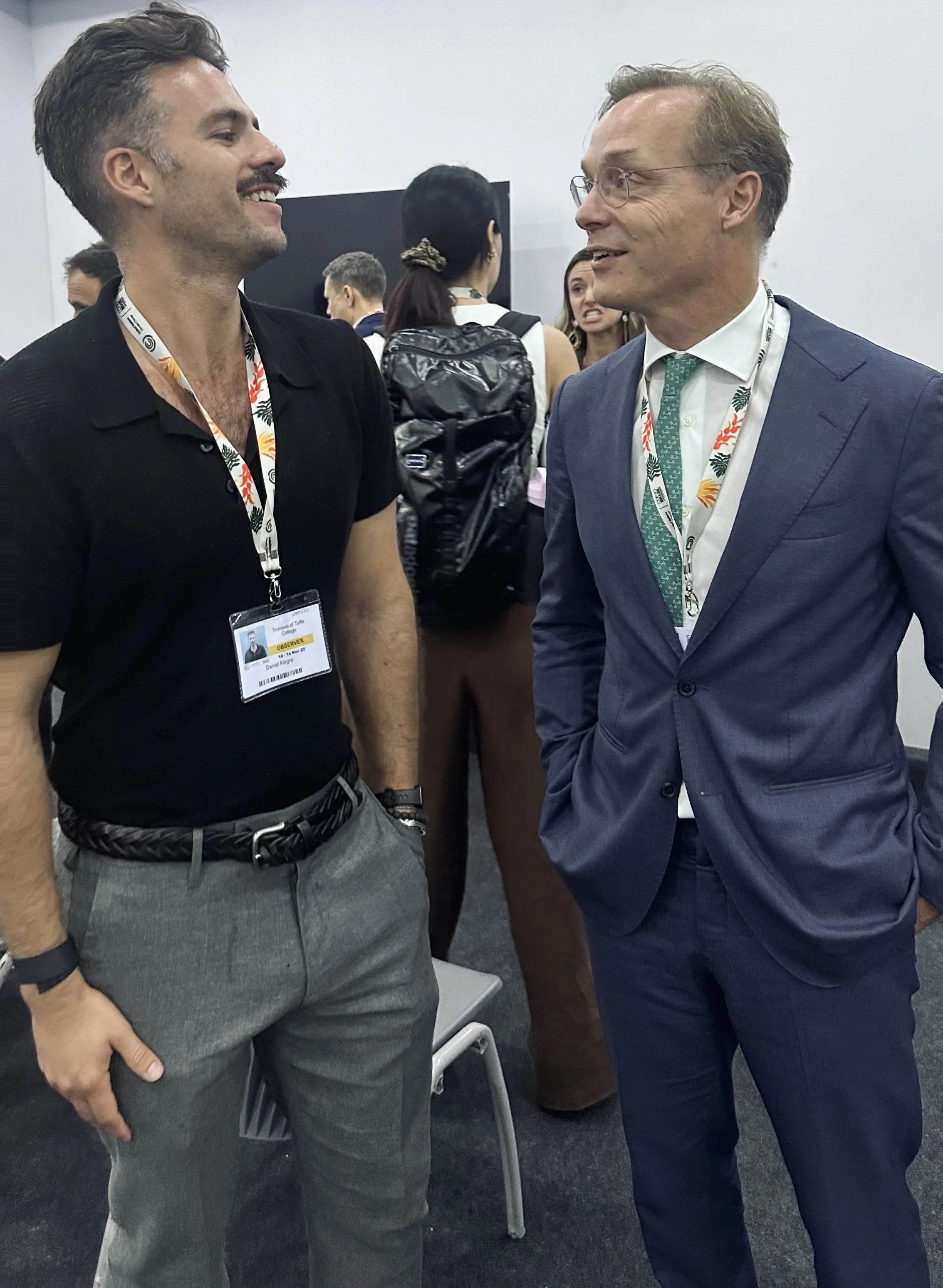
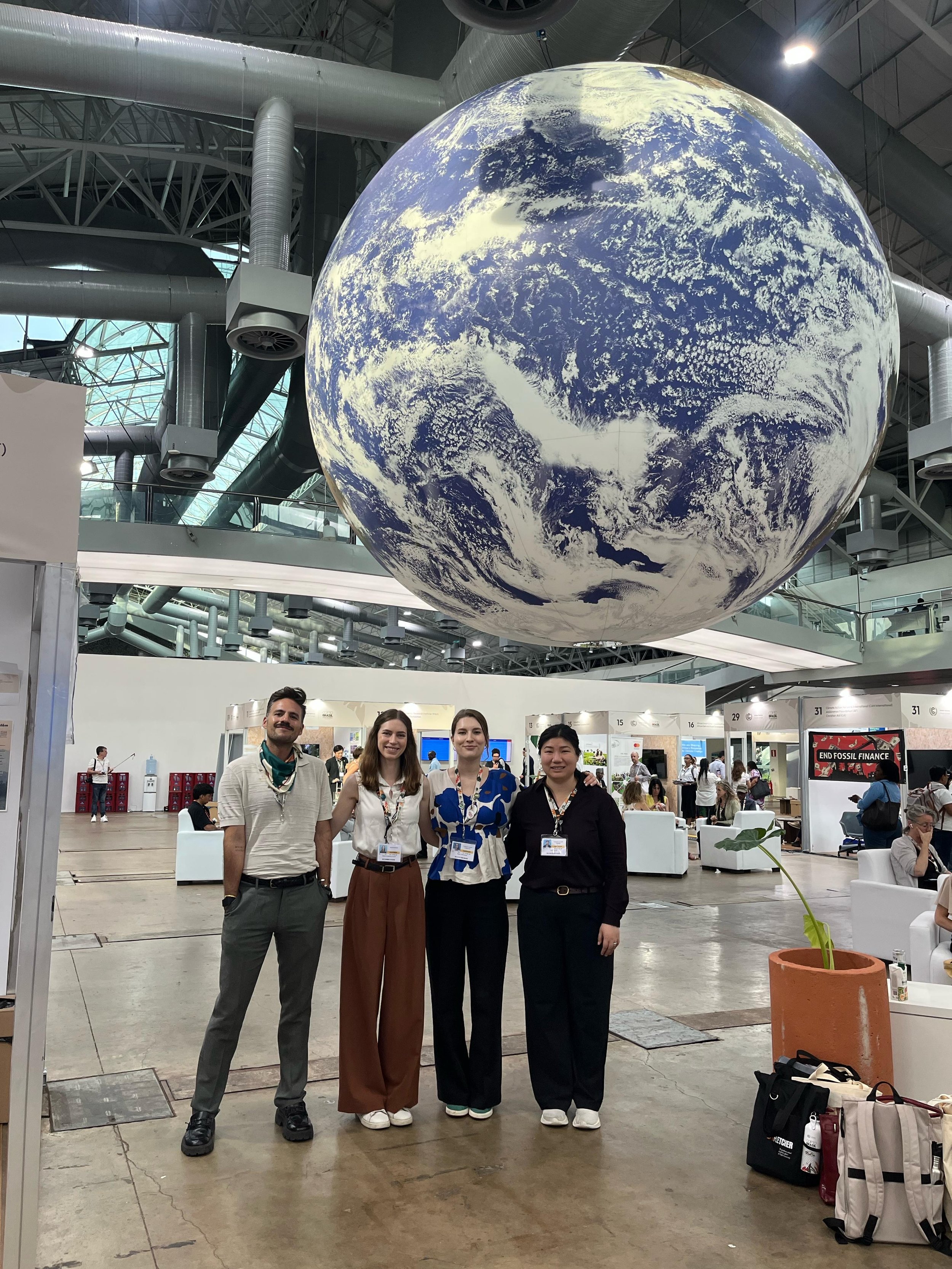
One of the most rewarding parts of COP30 was the access that CIERP helped create for our Fletcher delegation. Through their coordination and longstanding relationships, we joined briefings with senior officials, climate envoys, scholars, alumni and negotiators who were generous with their time and candid in their perspectives. These conversations offered insights that are rarely visible from the outside, ranging from geopolitical calculations to the operational realities of moving text forward. Speaking with representatives from Latin America and Europe, and even having an unexpected exchange with HRH Prince Jaime de Bourbon Parma (in his capacity as the Dutch Climate Envoy), reinforced how accessible and human the COP process can be when there is room for genuine dialogue. That sense of proximity gave the week an academic depth that exceeded any expectations I had going in.
Although my experience focused mostly on the negotiation spaces and formal briefings, it was impossible to ignore the presence of Indigenous and youth groups throughout the “most accessible” COP30 in many years. Their visibility and organization added a sense of clarity to the summit. They reminded us that climate governance is not only a technical exercise but a political one that must respond to lived realities. Even from the periphery of those mobilizations, their message was unmistakable and grounded the week in a shared sense of urgency.
What comes after Belém
Looking forward, COP31 will test the climate regime in new ways. The unusual dual leadership arrangement between Türkiye and Australia adds uncertainty to a process that, in my opinion, already struggles with coherence. The decisions that countries take over the next year, especially in translating voluntary initiatives into concrete pathways, will determine whether Belém becomes a stepping stone or a missed opportunity. The work ahead requires more than ambition, it requires governance that can keep pace with the scale and urgency of the climate challenge.
COP30 reinforced for me that climate governance is not a linear story of success or failure. It is a system under constant negotiation, shaped by the interplay of ambition, coordination, and institutional capacity. Being in Belém as part of the Fletcher delegation made that visible in ways that reading alone cannot. I am grateful to Fletcher, Tufts University, and CIERP for making this experience possible and for equipping me with the tools to contribute meaningfully in these spaces. The implementation era of climate action has begun, and there is room for students and researchers to play an active role in shaping it.
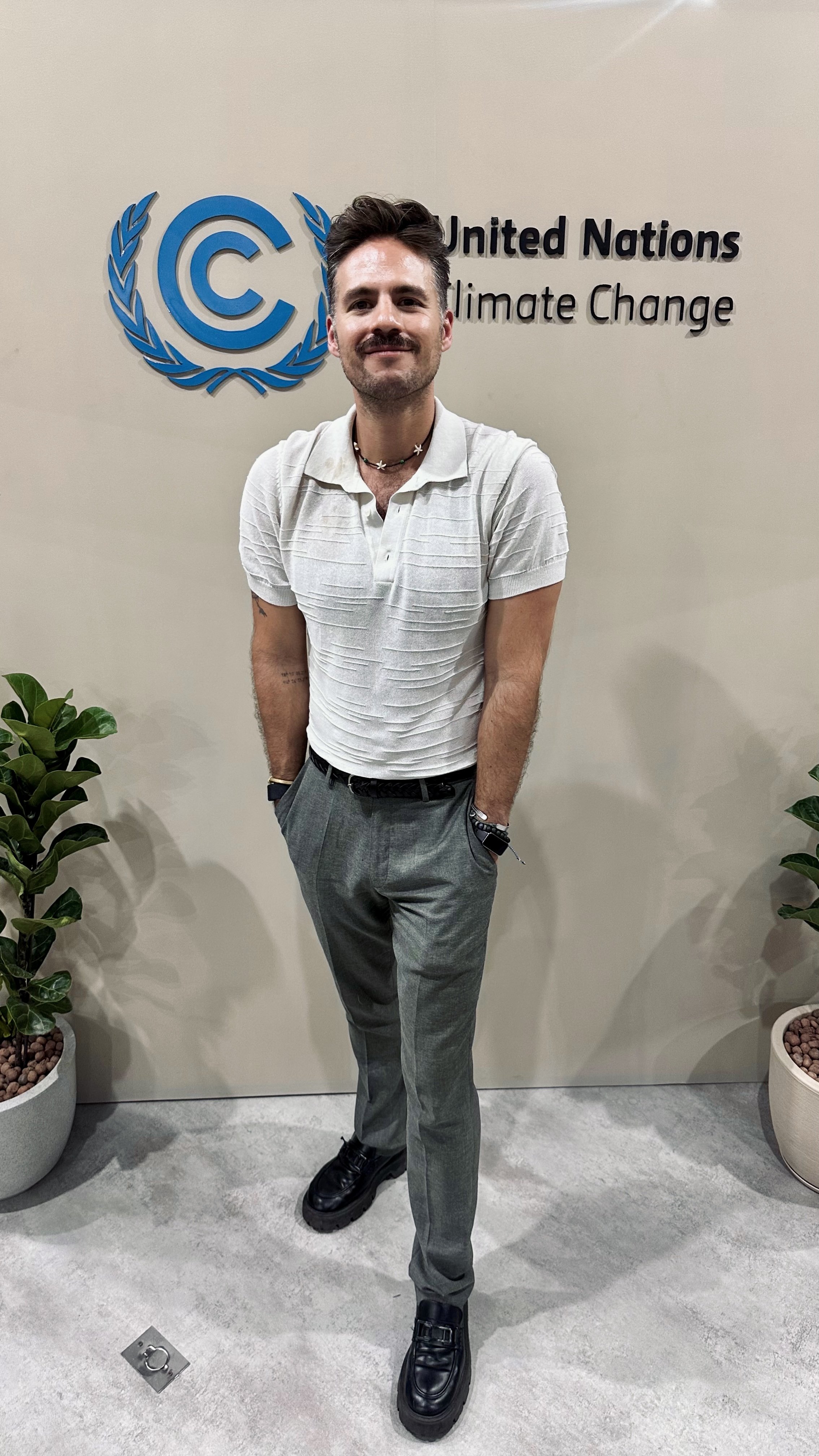
Daniel Alegre is a Master of Global Affairs candidate at The Fletcher School at Tufts University, with a concentration in International Development and Environmental Policy. A former Foreign Affairs Ministry of Mexico appointee, he recently completed a summer internship with The Nature Conservancy’s Global Agriculture and Food Policy team in Washington, D.C. His work focuses on climate diplomacy, sustainable agriculture, energy transition, and the role of international cooperation . Originally from Mexico City, he is currently based in Boston.