Scaling Up Solar Pumps for Irrigation and Domestic Water Use in Ethiopia: The Role of Blended Finance

In its announcement of the award of the 2020 Nobel Prize to the World Food Program, the Norwegian Nobel Committee said it wished “to turn the eyes of the world towards millions of people who suffer from or face the threat of hunger.” The issue of food security is increasingly a priority for governments in the developing world, leading to growing attention to sustainable agriculture methods and the potential for blended finance, that is a combination of government and private sector infrastructure funding, to facilitate progress. Our latest policy brief from Climate Policy Lab discusses the role blended finance can bring in promoting sustainable irrigation systems, highlighting the benefits in a case study of Ethiopia’s agricultural sector.

The government of Ethiopia has targeted the agricultural sector for market-led growth and rural transformation to build resilience to climate change and foster economic growth. Agriculture dominates Ethiopia’s economy, representing 40% of GDP and 75% of workforce employment. Only approximately 250,000 hectares of agricultural land out of a potential of 5 million are irrigated in Ethiopia at present. Many small farms grow teff and other rain-fed subsistence crops using manual labor and animals. As part of Ethiopia’s ambition to become a middle-income country by 2030, improvement of efficiency in the agriculture sector is critical.

Read More
Footing the Bill for Renewable Energy Expansion: Lessons from Germany and China

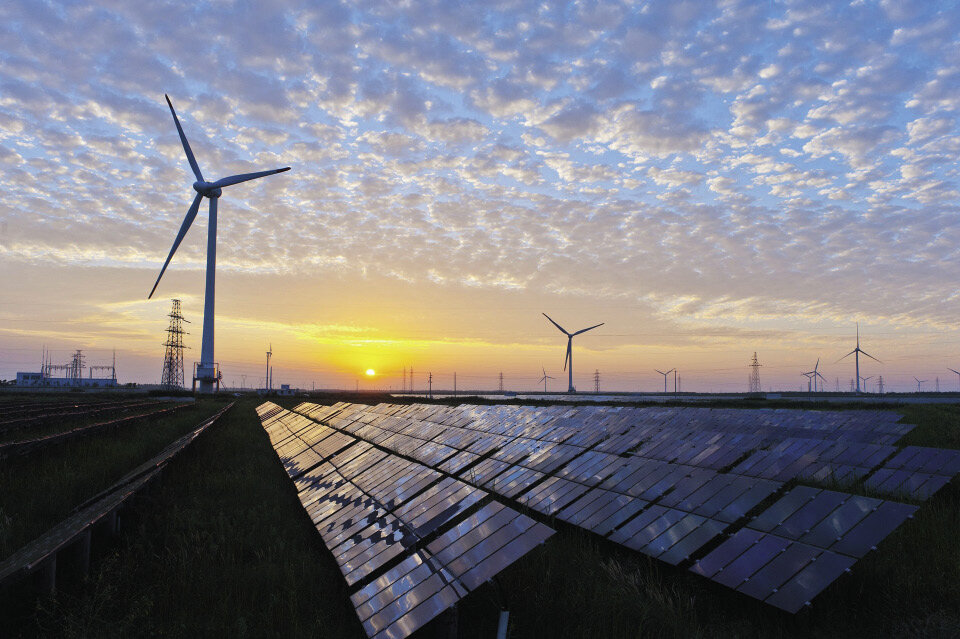
As China prepares to peak its carbon emission before 2030 and achieve carbon neutrality before 2060 as recently announced by President Xi Jinping and Germany readies its participation in Europe’s plans to become climate neutral by 2050 via $572 billion in stimulus funds, the question of how best to foot the bill to promote new ambitious government targets for renewable energy will be back front and center.

Read More
Planning for “Blowing in the Wind”

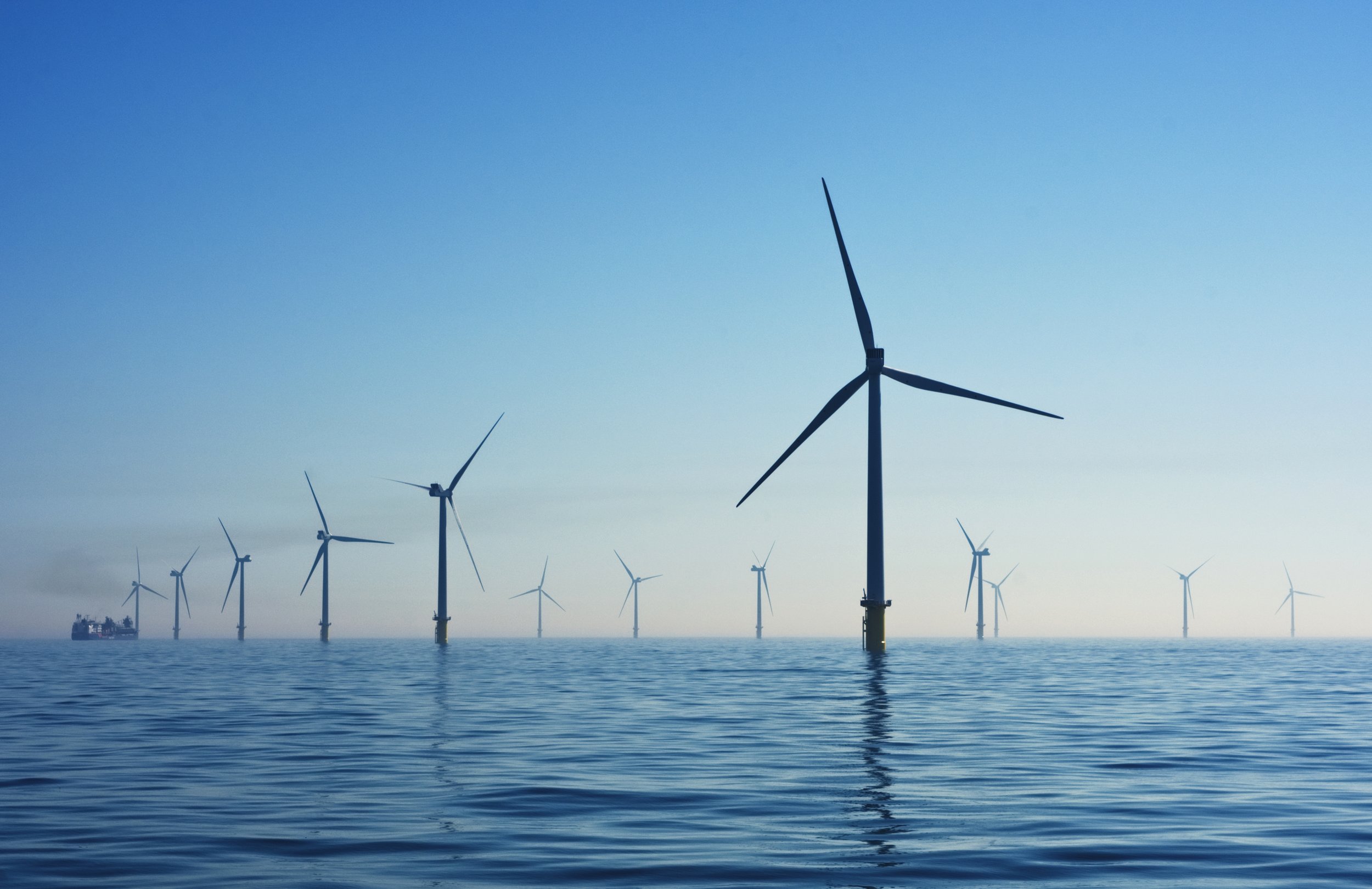
In 2022, the view from the windows of the hourly flights between Washington DC and Boston will change as wind machines appear off the northeast coast. The excitement around offshore wind intensified this week as the oil major, BP purchased a 50% share in two proposed windfarms off New York and Massachusetts from Norway’s Equinor, a giant energy company turned wind developer, in a $1.1 billion deal. This sale demonstrates the significance of the offshore wind sector (OSW) as energy giants like Equinor and BP recognize the future importance of large-scale renewables.

Read More
The Important Outcomes of Mission Innovation: First Evidence

It’s been over ten years since the 2009 financial crisis economic stimulus packages targeted clean energy companies and today’s headlines highlight the payoff. Clean energy companies outperformed the S&P 500 in 2019 and looks poised to payout even more to investors in 2020. Tesla received a $465 million federal loan during the U.S. 2009 stimulus to design electric vehicles and begin manufacturing and its market capitalization surpassed that of ExxonMobil earlier this year. Tesla is not the exception to the rule. A comprehensive study of the US Department of Energy’s SBIR grant program found that the awards led to positive impacts on patenting and revenue innovative companies.

Read More