
Catching up with CPL Partners at COP30
By Mieke van der Wansem
My mission at COP was to meet with CPL’s research partners, CPL Academy alumni, Fletcher alumni, and current and future donors. I am fortunate that my meetings are always very rewarding. I was excited to see our partners and alums engaged in important climate-related endeavors, be it sharing research, new ideas, new policies, new initiatives, or being there to help connect people who make climate action move forward.
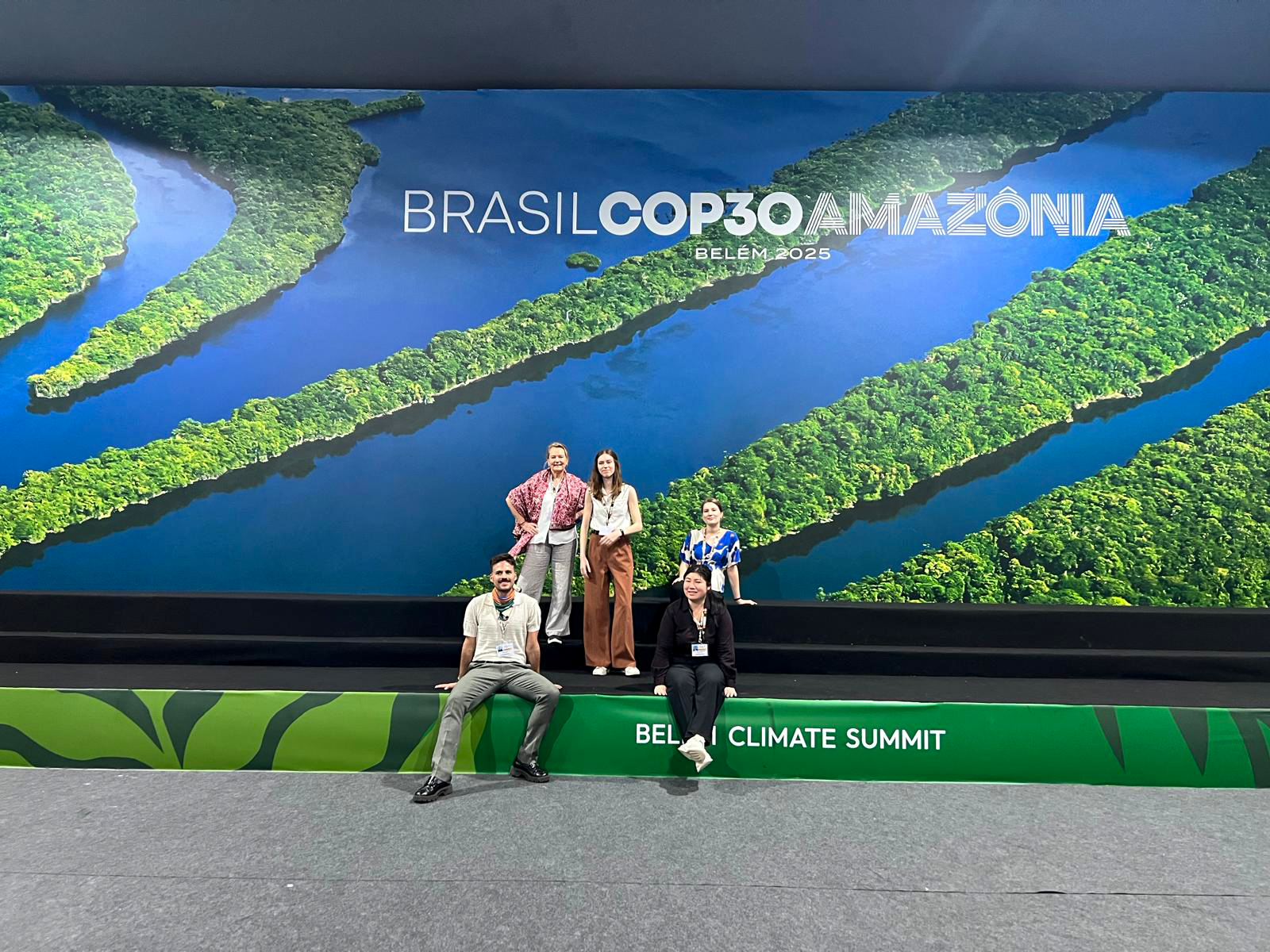
Fletcher COP30 Week 1 Delegates
In a span of four long days at the COP, I had five productive partner meetings, organized five expert briefings for our delegation (with Jennifer Morgan, Senior Fellow at Fletcher’s Climate Policy Lab; Eda Kosma, International Fellow at the Center for Climate and Energy Solutions; Rosana Santos, Executive Director, E+ Energy Transition; Anna Schulz, Head of Global Climate Policy, Law, and Governance Programme, International Institute of Environment and Development (IIED); and Jake Werksman, Principal Adviser, DG-CLIMA, European Commission), one potential new executive education funder meeting, and attended several interesting events (mostly on policy implementation and on just transition), including three in which members of our delegation spoke and four in which one or more of our Academy alums/partners spoke.
I attended multiple events in which CPL Academy partners and alums either hosted, presented, or moderated:
Adrian Fernandez, CEO of Iniciativa Climatica de Mexico, hosted the joint ICM and Tufts/Fletcher event on Advances in the Implementation of Climate Policy. The purpose of the panel was to present research and discuss findings from ongoing implementation-gap analyses of climate commitments, spearheaded by CPL. The panelists shared comparative insights on how national targets align or diverge from actual policy measures, highlighting lessons learned, challenges, and opportunities for enhanced action. This is where we launched our latest set of climate policy briefs on implementation gaps in China, India, Indonesia, Brazil, Mexico, and South Africa.
At the official side event on The Road from Belem: How COP30 will drive a new era of implementation on resilience and adaptation, I chatted with our research partner Natalie Unterstell, President of Instituto Talanoa in Brazil. Natalie provided introductory remarks and emphasized that financing resilience is as important as other finance needs and should to be taken into consideration when financing any development, such as infrastructure, etc.
At the Ford Pavillion event on just energy transition in Indonesia and South Africa, I listened to CPL Academy alum Paul Butar Butar, CEO of the Indonesia Renewable Energy Society (METI), as well as Crispian Olver, Deputy Chairperson of the South African Presidential Climate Commission (PCC, from which we have had 5 employees attend our CPL Academy). Paul noted that JETP was only a small part of energy transition in Indonesia and that people are generally forgotten in implementation – more small projects are needed, not just large-scale financing.
I caught up with Abas Mohammed Ali, CEO of Climate change at the Ethiopian Ministry of Planning and Development at the Ethiopia Pavilion, where CPL Senior Fellow Jennifer Morgan was a panelist at the event: From Baku to Belém: Ethiopia’s Progress on Climate Resilience and Green Growth.
I met with Ümit Şahin, Coordinator of Climate Studies at Istanbul Policy Center, Sabanci University, at the Turkiye Pavilion event at which our CPL research fellow Kate Chi was speaking on Trade & Green Industrial Strategies: Interlinkages and Impact.
Mao Amis, Executive Director at African Center for a Green Economy, moderated a panel on climate justice: centering women’s leadership in building resilience and inclusive transition, where several women leaders from a variety of organizations discussed ways for women leaders to promote more inclusive resilience strategies throughout the African continent.
Besides seeing so many people I know, one of the highlights for me was following the evolution and then launch of the Belém Declaration on Global Green Industrialization. Rosana Santos, one of our research partners in Brazil and regular participant as well as faculty of the CPL Academy (a week-long executive education program hosted by the Climate Policy Lab), was instrumental in developing the ideas behind the Belém Declaration, the principles of which she presented at the CPL Academy this past September. As Rosana stated then “for the emerging economies, a genuinely just transition requires creating value through decarbonization, while ensuring that a low-carbon economy reduces inequalities and generates sustainable, quality employment.”
The Belém Declaration
The Belém Declaration was officially launched by the Brazilian Presidency of COP30 on Friday 14 November 2025. It was driven by a core group of countries including Brazil, the United Kingdom, and South Africa, with support from UNIDO, as well as industry and research partners.
The aim of the Belém Declaration is to accelerate decarbonization of heavy emitting industries and promoting green industrialization while tackling global climate and development goals. It provides a framework for countries, to place green industrialization at the center of their economic strategy. A core principle is that green industrialization is an opportunity for simultaneously pursuing industrial decarbonization, new clean-technology markets, and inclusive economic growth.
Brazil, having one of the cleanest energy systems in the world, as well as strong infrastructure and abundant natural resources and minerals, has great potential to host hubs of green industrialization, as shown by the new Atlas of Brazilian Industry’s Future, 2025 – Pathways and Opportunities for New Low-Carbon Economy. The Atlas was spearheaded by Rosana’s colleague and CPL Academy alum and partner, Stefania Relva, who presented it to João Francisco Paiva Avelino, Director of Decarbonization and Green Finance, Ministry of Development, Industry, Commerce and Services (MDIC) (also an alum of the CPL Academy) at another event at COP30. The Atlas maps key information on the availability of clean energy and other essential infrastructure across Brazil, alongside major energy-intensive industries, to support the development of green industrial clusters. And yet another CPL Academy alum, Maria Joao C. P. Rolim, was an important contributor to this initiative.
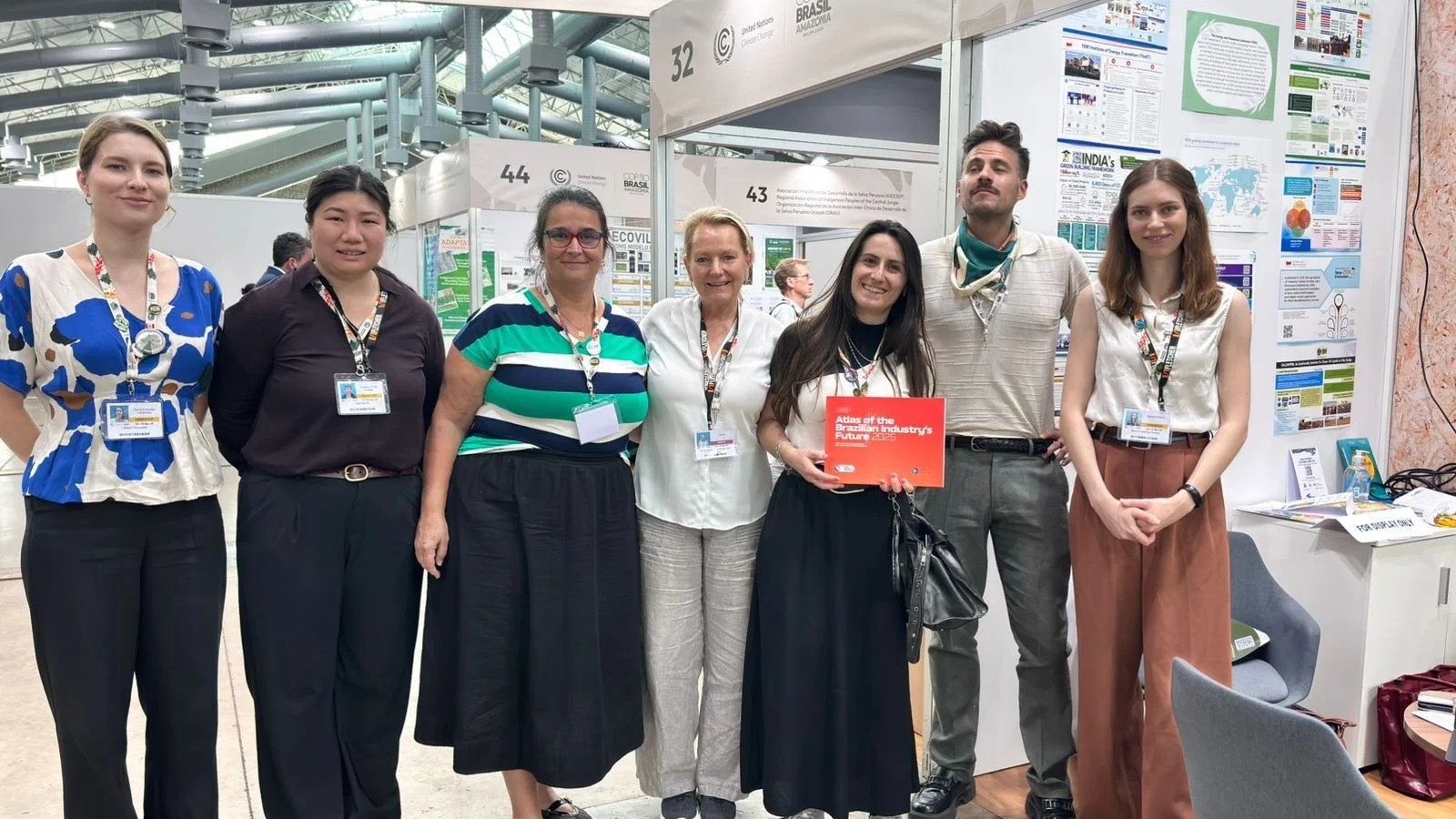
Expert briefing with Rosana Santos
Last day in Belém and moving forward
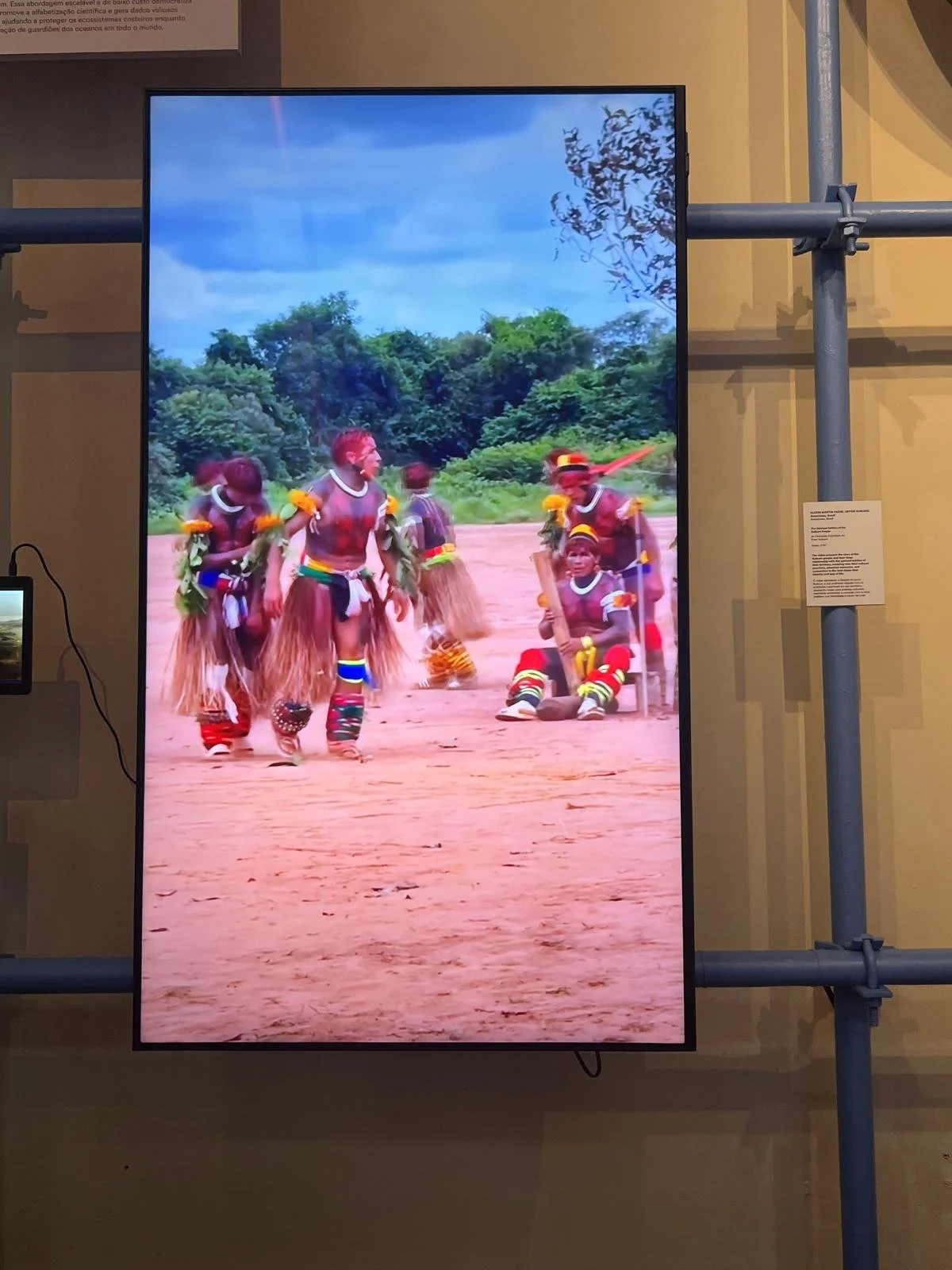
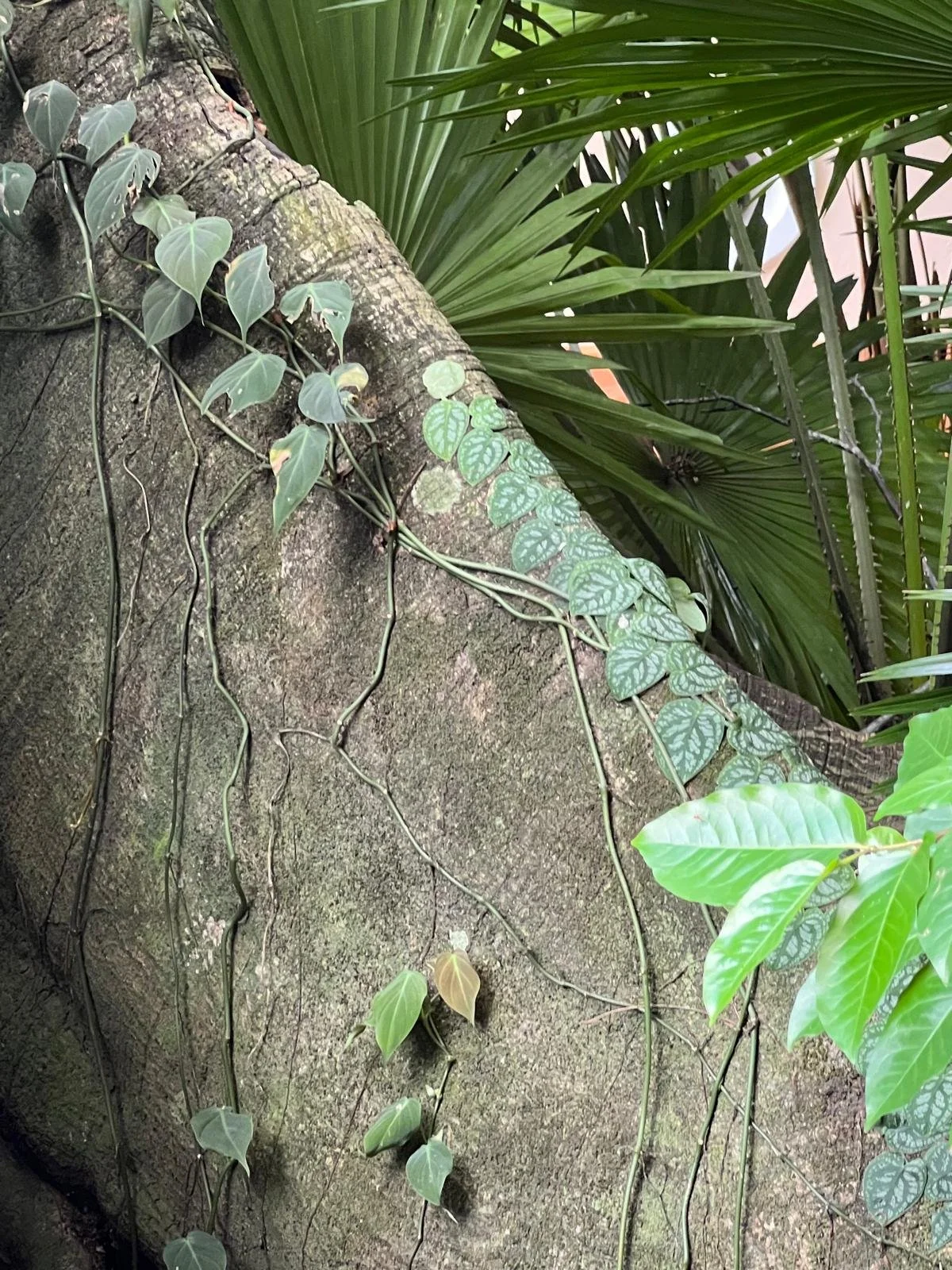
On my last day in Belém, I visited the Amazonia Sempre Station at the Museum Goeldi (side event of IADB and many partners working on the bioeconomy, including an alum of one of our executive education courses, now head of Conservation International in Brazil). The side event was set up to highlight Amazonia’s key role in global climate action and its nexus with biodiversity and cultural richness. The special exhibit represented multiple organizations and stakeholders working and living in Amazonia and was a wonderful way to end my stay in Belém – in a tropical forest with some wildlife grazing and flying around, lovely paths leading to various exhibits, and spaces to take in the various cultures of the Amazon and the changes they are undergoing.
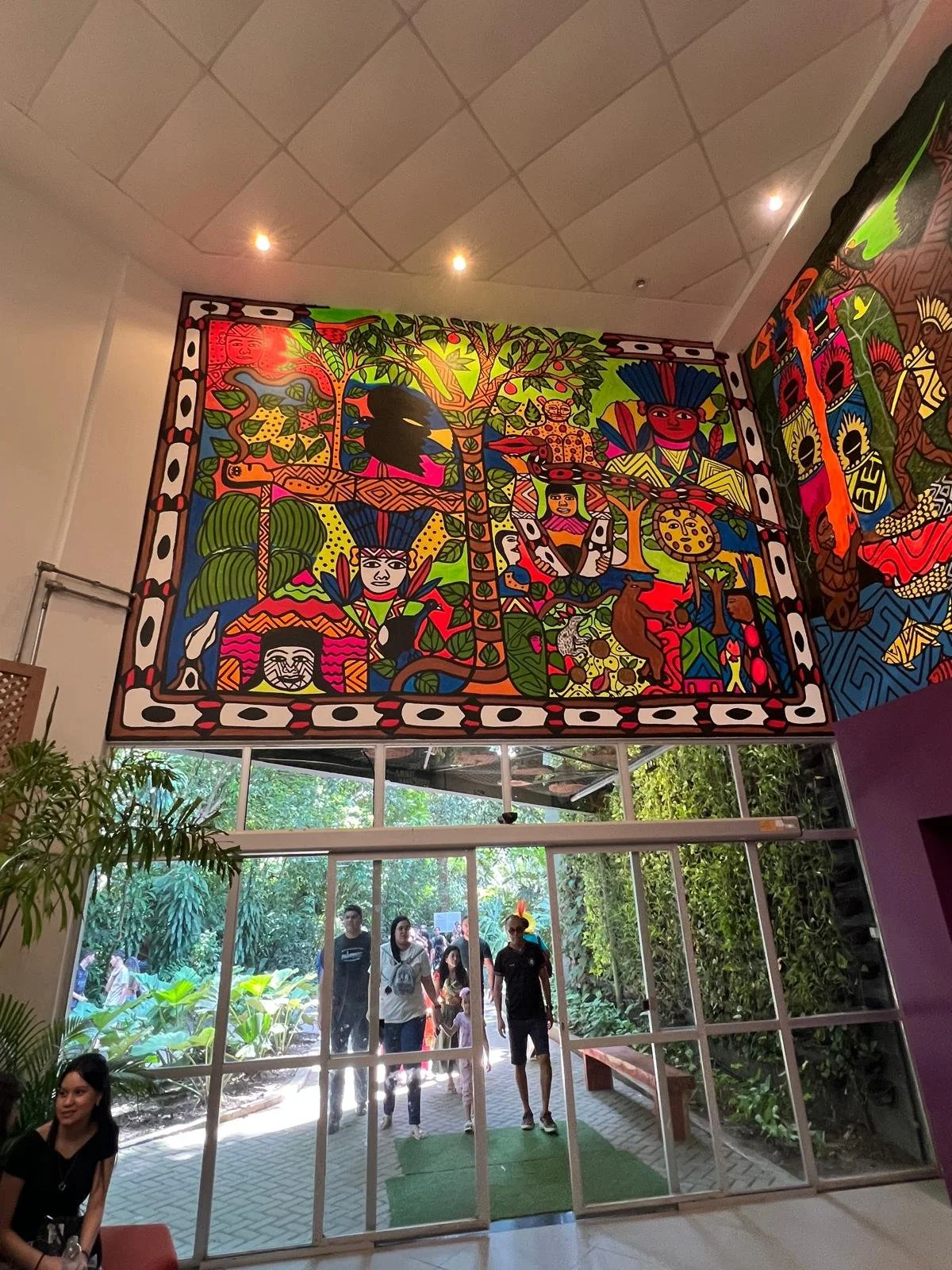

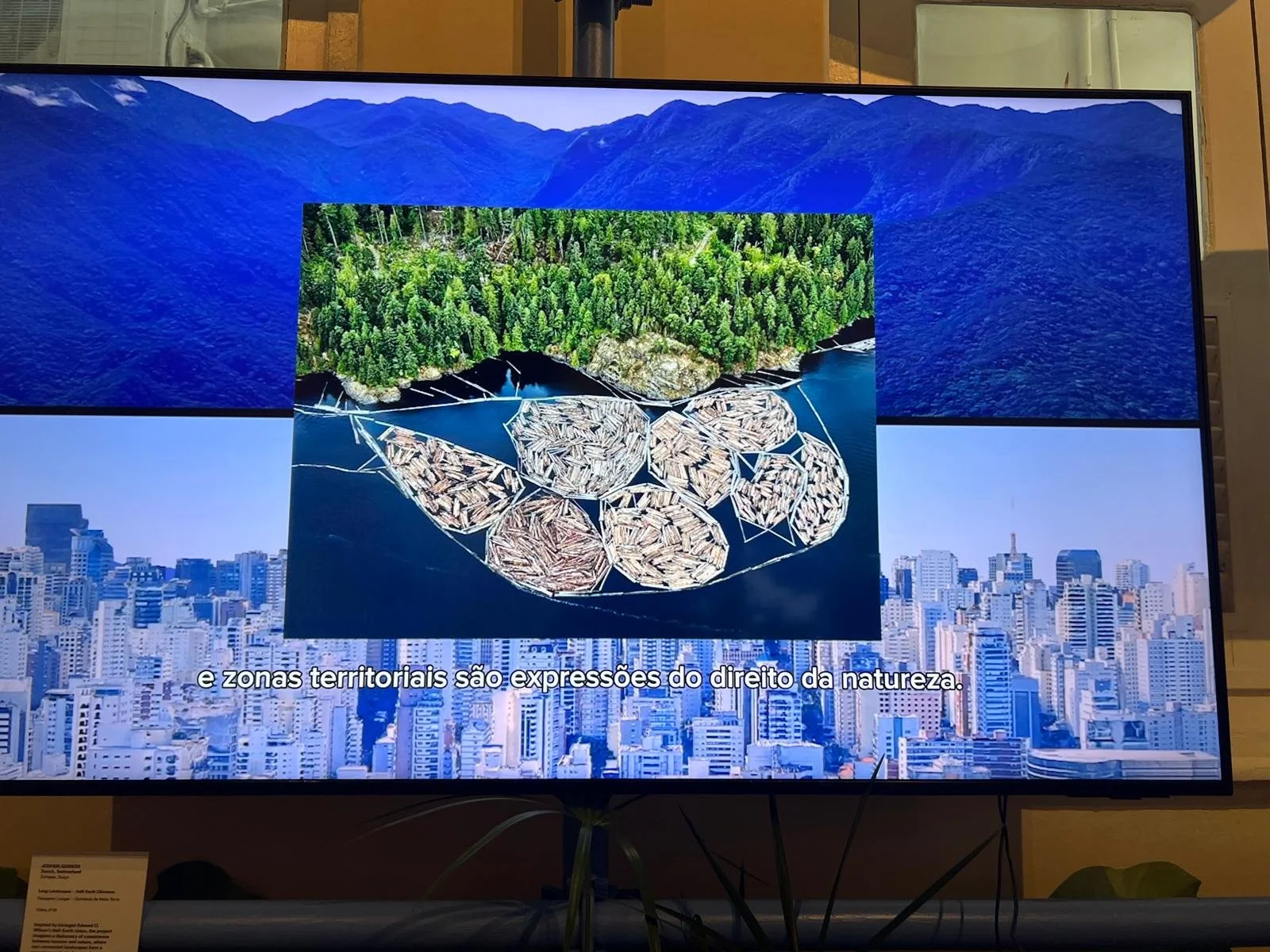
Based on my discussions with CPL partners and collaborators at COP, our team is now moving forward with the next steps in our research on implementation gaps, as well as some new collaborations and initiatives related to green industrialization. I am considering focusing one of our CPL Academies on strategies to implement the ideas of the Belém Declaration. Together with our partners and collaborators, our important work to tackle the climate crisis continues!
Mieke van der Wansem is the Director of Programs for the Climate Policy Lab housed within the Center for International Environment and Resource Policy.