Land Back: The Perfect Topic for Environmentalists to Bring up at Thanksgiving

This upcoming Thanksgiving, there is one thing we should all be discussing at our dinner tables this year – Land Back. Indigenous peoples in the United States have been very clear that the key to decolonization is returning land to the Indigenous communities from which it was stolen. Returning land and respecting the sovereignty of Indigenous peoples provides significant restitution for the hundreds of broken treaties and the countless human rights violations committed by the United States of America. The movement, Land Back, also promotes making the world a healthier and safer place. The motivation for decolonization should focus on the benefits to Indigenous peoples and the restoration of justice. At the same time, Land Back is an excellent environmental policy. As if we needed another reason to support the sovereignty of Indigenous peoples in the United States, now you can add combatting climate change and improving human health to the myriad of reasons Indigenous communities should be central to environmental decision making.

Read More
Why is Killers of the Flower Moon relevant today?

Killers of the Flower Moon is a gripping true story brought to light by Fletcher alum David Grann. His investigations led to the unraveling of harsh, chronic injustices faced by one community in a systemically oppressive manner. Today, the story is gaining worldwide appreciation due to its film adaptation by critically acclaimed filmmaker, Martin Scorsese. In this article, I will briefly outline the plot of these horrific crimes and then identify the relevance of the book and movie in the 21st century; be aware as there are spoilers.

Read More
Sovereignty Across Borders

As an undergraduate student pursuing degrees in wildlife conservation and economics at Cal Poly Humboldt, I gravitated towards professionals who understood the importance of data and its applications to the natural world. In particular, I was excited to be part of a community of scholars who were committed to preserving Indigenous sovereignty through academic research and collaboration.

Read More
CIERP Alumni Perspectives: A Conversation with Natalia Espinosa Tokuhama

Natalia Espinosa Tokuhama, a 2020 MALD graduate, stepped into a crucial public-facing roles with Mayor Michelle Wu’s office and expanded Boston’s economic integration initiatives for marginalized communities. Natalia's story is a testament to the power of heritage, education, and determination, as well as the evolving role of governance in an ever-changing digital world.

Read More
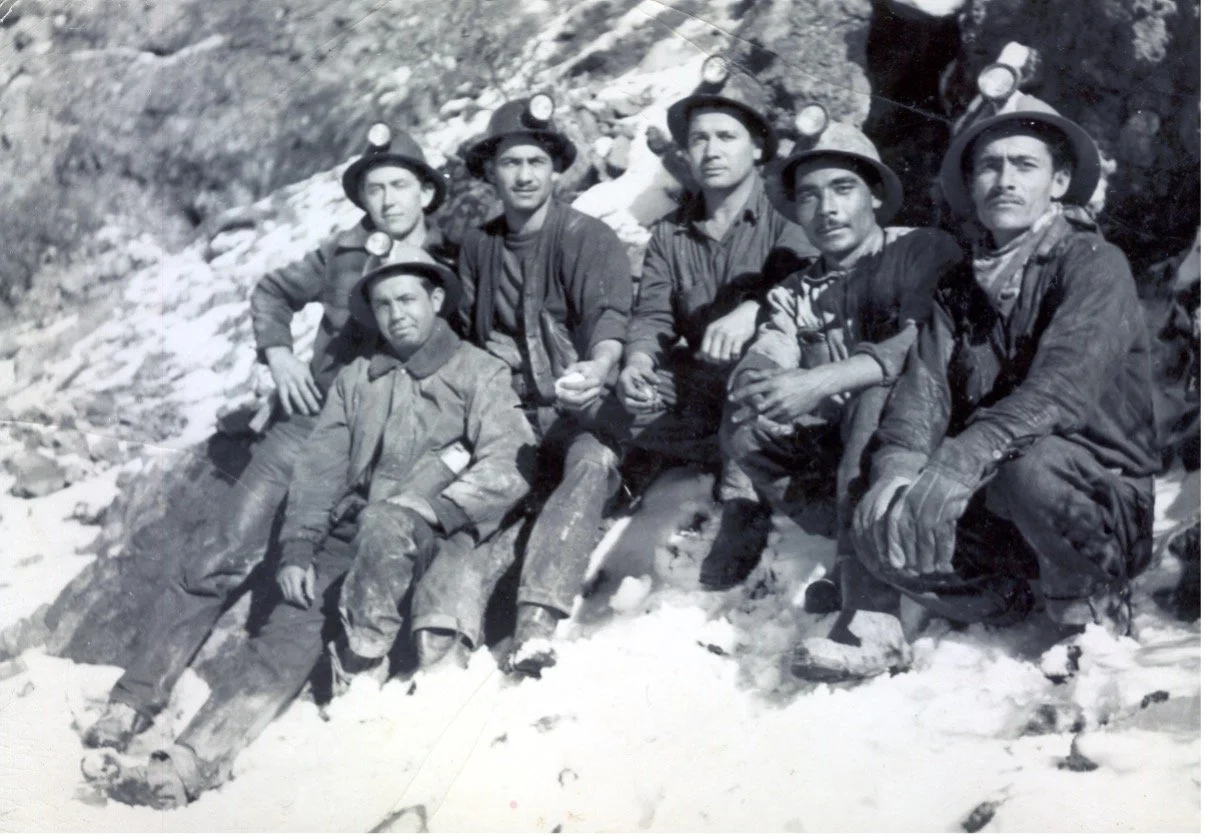
Celebrating Hispanic Heritage: Paving the Way for a Just Transition and Community Empowerment

Latin America (including the Caribbean) plays a crucial role in the supply of key minerals for decarbonization, thanks to its abundant and diverse reserves of high-quality minerals. As global mining capacity continues to expand, we are at a pivotal moment where adopting comprehensive measures is vital to mitigate its environmental impact. Latin America has the opportunity to actively engage in the transition that is necessary for all of us to contribute to the collective effort of implementing the SDGs and mitigate the effects of a changing climate.

Read More
Climate Policy LabComment