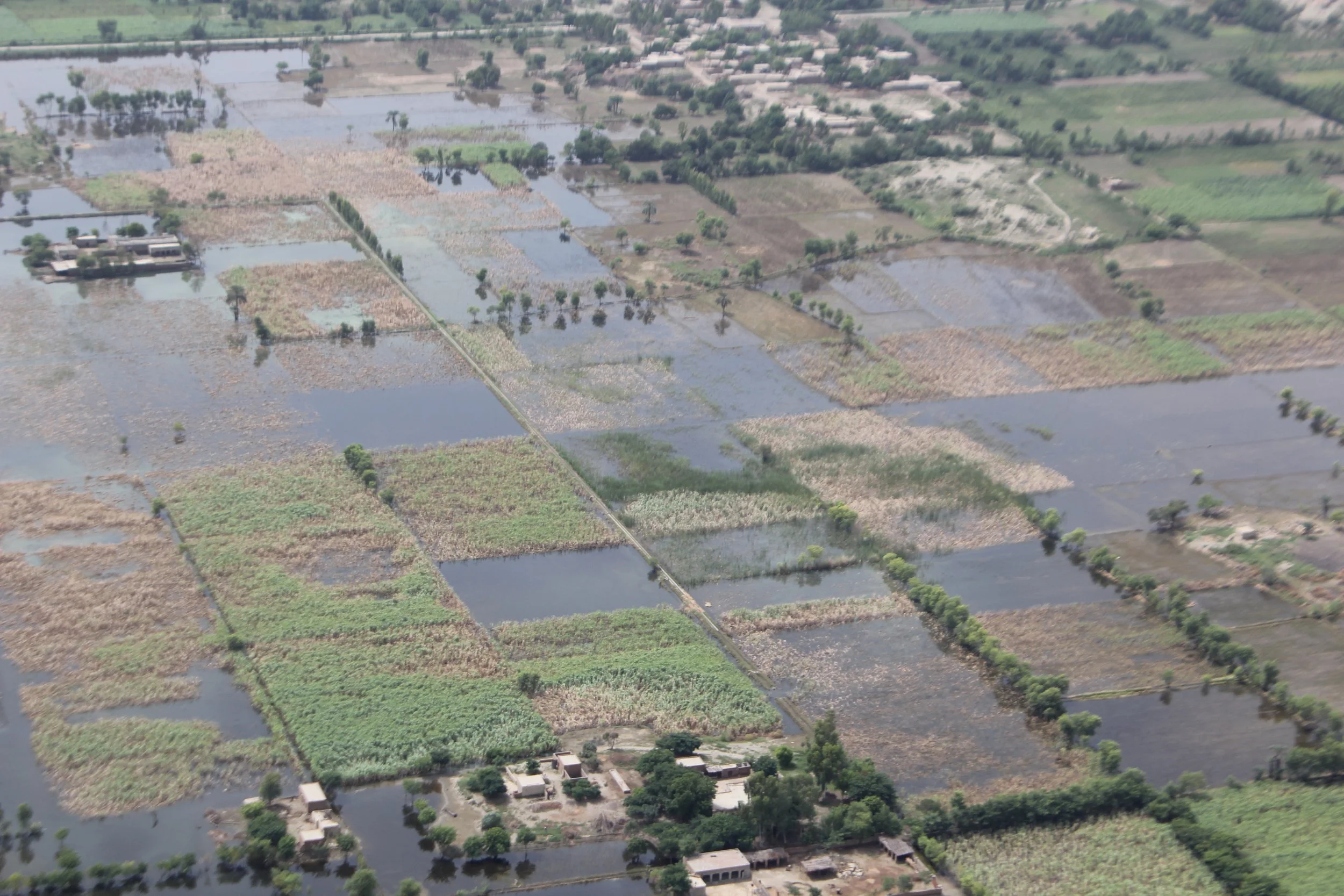
Despite contributing less than 1% to global emissions, Pakistan is the eighth most vulnerable nation to long-term climate risk. While climate change is essentially affecting every part of the country, the impacts are felt disproportionately by certain groups, including children, women, the elderly, and people with disabilities.
Read MoreI would like to discuss a topic that should be important to Asians and members of the diaspora: how we can pursue sustainable development in developing countries, and in so doing, help our friends and loved ones live in a more prosperous and just world.
Read MoreThe deployment of renewable energy technology is expected to increase global demand for critical minerals, such as cobalt. Currently, the majority of the world’s cobalt is mined in the Democratic Republic of the Congo (DRC), a region associated with human rights violations and environmental concerns. It is imperative to take steps towards making cobalt mining in the DRC more sustainable.
Read MoreWomen are more likely to lead and organize their communities to protect the environment and fight for climate action. However, most women environmental defenders do not receive global notoriety; in fact, they often face violent reprisals for their actions. While the international community has started to recognize this issue, more can be done to protect women environmental advocates.
Read MoreThe Middle East is warming at twice the global average and is at a high risk for extreme weather patterns. In this harsh climate reality, women are disproportionately affected due to existing gender inequalities and their frontline roles in sectors like agriculture and domestic water management. However, women in the MENA region are also emerging as powerful agents of change, leading grassroots adaptation efforts, driving policy advocacy, and pioneering sustainable entrepreneurship ventures.
Read More