
Reflections from the Annual Conference of Emergency Managers
By Rhea Lahoud
Earlier this month, I had the privilege to attend the Annual Conference of Emergency Managers in Kentucky, organized by the International Association of Emergency Managers (IAEM), where I got to engage with fellow practitioners, researchers, and leaders dedicated to advancing crisis management and disaster preparedness. Thanks to the support of the Center for International Environment and Resource Policy (CIERP) at The Fletcher School of Law and Diplomacy and driven by a keen interest in innovative solutions to public safety challenges, I immersed myself in three days of learning, networking, and inspiration.
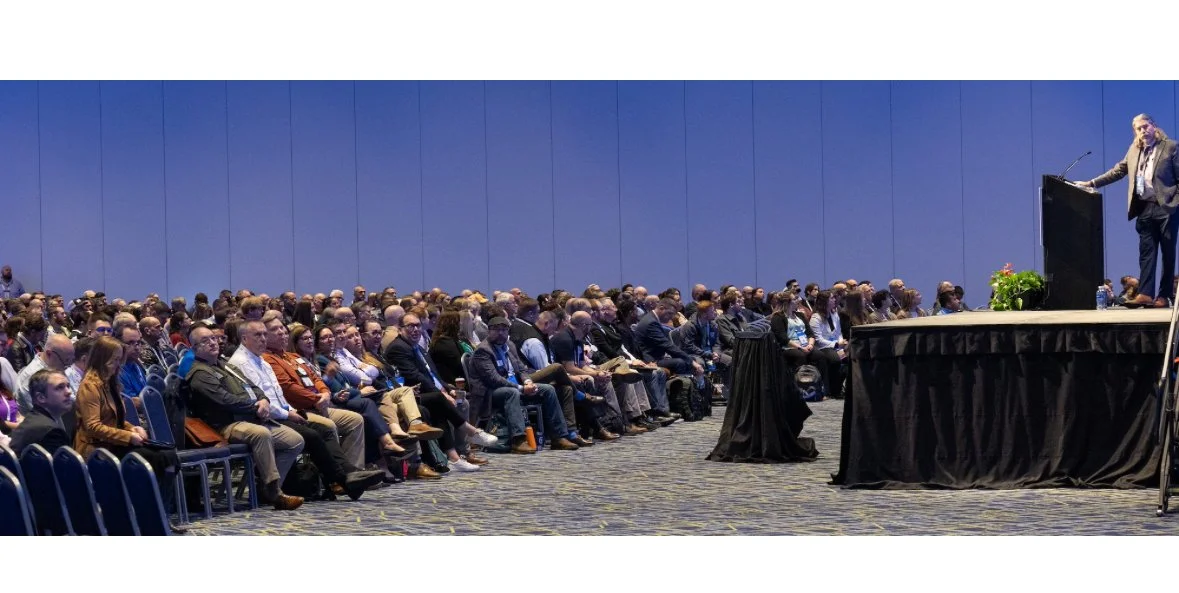
What immediately struck me upon arrival was the dynamic environment: major institutional actors from state agencies mingled with grassroots organizations and small start-ups, while established thought leaders and emerging professionals shared the floor. This ecosystem fostered meaningful dialogue about the realities, priorities, and future directions in emergency management– reinforcing my belief that resilient communities are built through multi-sector collaboration. I was fortunate to network not only with colleagues from across the country but also representatives from national bodies, technical solution providers, and international advocacy groups. These interactions underscored the sheer breadth of expertise needed to address today’s complex emergencies—from cyber threats and severe weather events to policy reform and securing resources.
My schedule was packed with sessions that reflected both the depth and variety of contemporary emergency management. Here are a few that stood out:
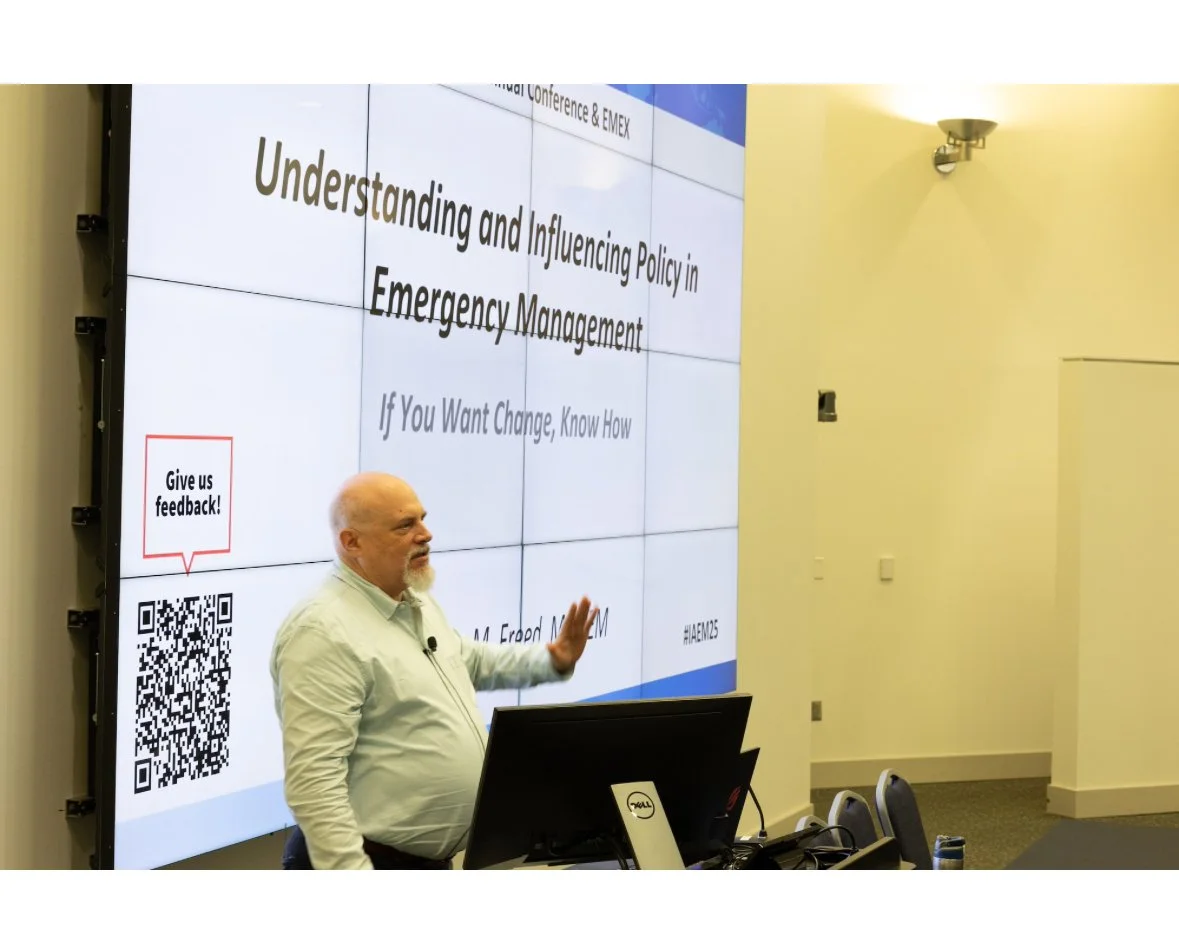
“Understanding and Influencing Political Policy in Emergency Management” explored how practitioners can effectively advocate for change within complex political systems.
“Local Preparations for the FIFA World Cup 2026: How Two Cities Are Planning” juxtaposed different municipal strategies for mass-casualty preparedness, offering actionable insights.
“Meet AIME: Smarter, Faster, More Inclusive Global Disaster Resource Matching AI” showcased emerging technologies and underscored the critical role of AI and data in future-ready crisis management.
I also joined sessions on networking, career development, and technology solutions—from mapping interdependencies in cyber supply chains to planning for prolonged lifeline disruptions. Each conversation reinforced the necessity of systems thinking and adaptability in the field.
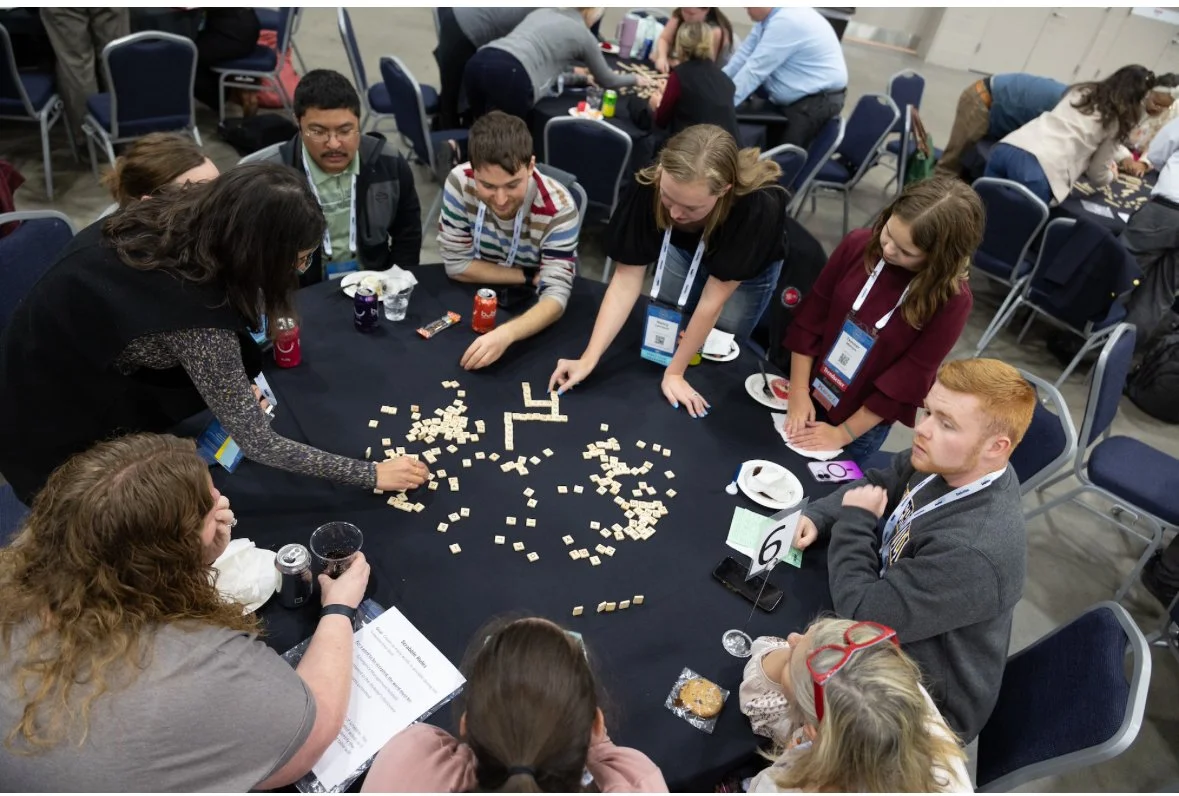
Outside the formal program, the conference offered a wealth of informal connections. At the networking lunch and exhibit hall, I met emergency managers from neighboring states, local organizers, and technical experts whose passion for preparedness mirrored my own. A memorable highlight was discussing policy implementation with counterparts involved in recent hurricane response—sharing challenges, lessons learned, and strategies for future resilience. I also attended the IAEM-USA Region 1 meeting, which included attendees from 6 states among which was Massachusetts, where regional priorities and collaboration mechanisms took center stage.
For me, the Kentucky conference was more than a professional obligation—it was a chance to gain perspective, challenge assumptions, and foster relationships that will shape my career for years to come. Several sessions directly overlapped with my research interests in disaster risk reduction, AI applications in crisis prediction, and the development of locally-driven solutions for institutional resilience.
Moreover, as an emerging researcher and practitioner, the conference reinforced the importance of interdisciplinary thinking: integrating policy, technology, community engagement, and operational strategy to create transformative change. Witnessing the interplay between public agencies, private firms, and non-profits deepened my appreciation for the ecosystem required to drive innovation in emergency management.
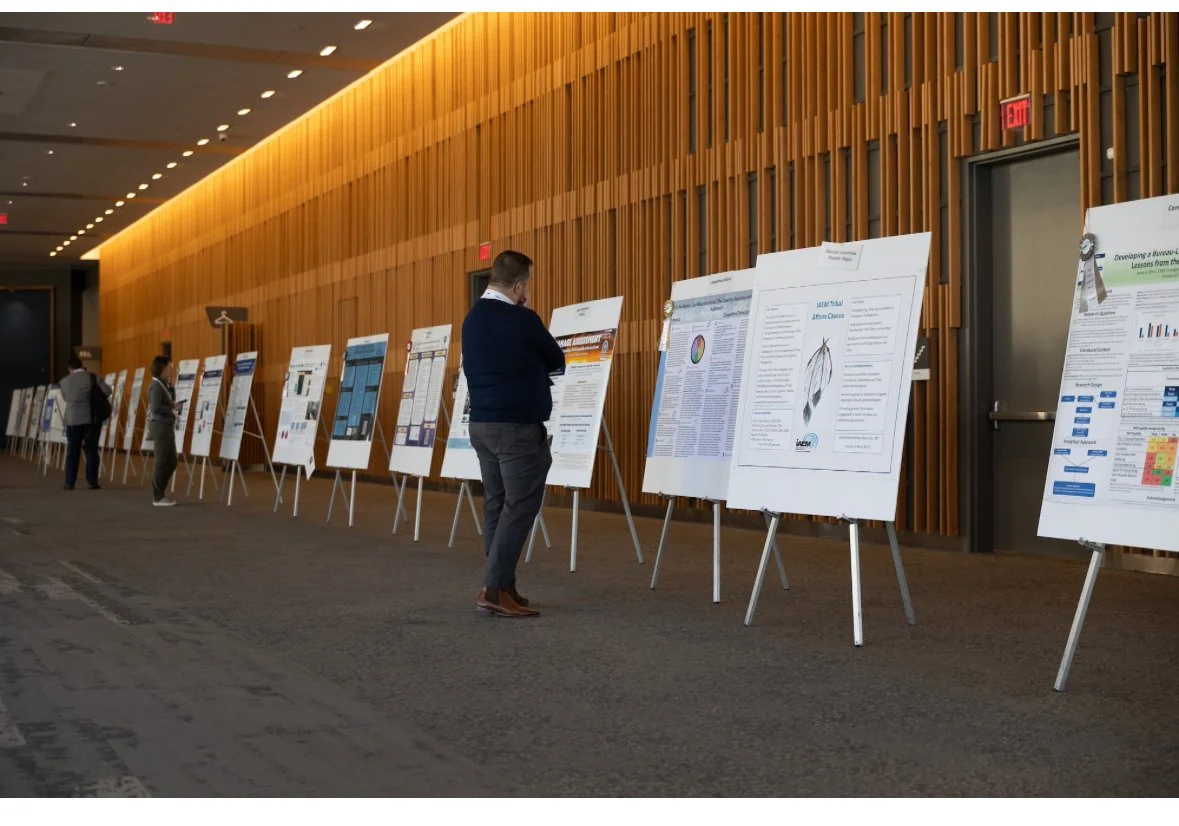
Attending the Annual Conference of Emergency Managers in Kentucky amplified my motivation and focus. I left with a renewed sense of purpose, equipped with best practices, actionable insights, and new friendships. As I return to my studies and ongoing projects, I am excited to contribute these lessons to my own work and the wider community.
I am grateful for the support of my colleagues and association, and I look forward to engaging—both locally and internationally—with many of the professionals I met over the course of this conference.
Rhea Lahoud is a second MALD student specializing in Human Security and International Crises, and a member of the International Association of Emergency Managers. Her areas of focus are disaster risk reduction, emergency management, and climate-related crisis preparedness.