
Reflections from the Arctic Circle Assembly
By Genevieve Cickavage
Thanks to the generosity of CIERP and the Fletcher Educational Enrichment Fund (FEEF), I was able to travel to Reykjavik, Iceland, for a few days for the second year in a row, an experience that I would not have otherwise had. Each year in October, the Arctic Council hosts a conference called the Arctic Circle Assembly. During this conference, leaders of Arctic, near-Arctic, and non-Arctic countries alike gather for three days of panels and plenary in the Harpa, Reykjavik’s main venue for big events, such as conferences and concerts. Over the course of the three days, I had the privilege of learning about issues facing the Arctic from experts, and because of my attendance had the chance to speak to many of them and glean their thoughts on specific questions.
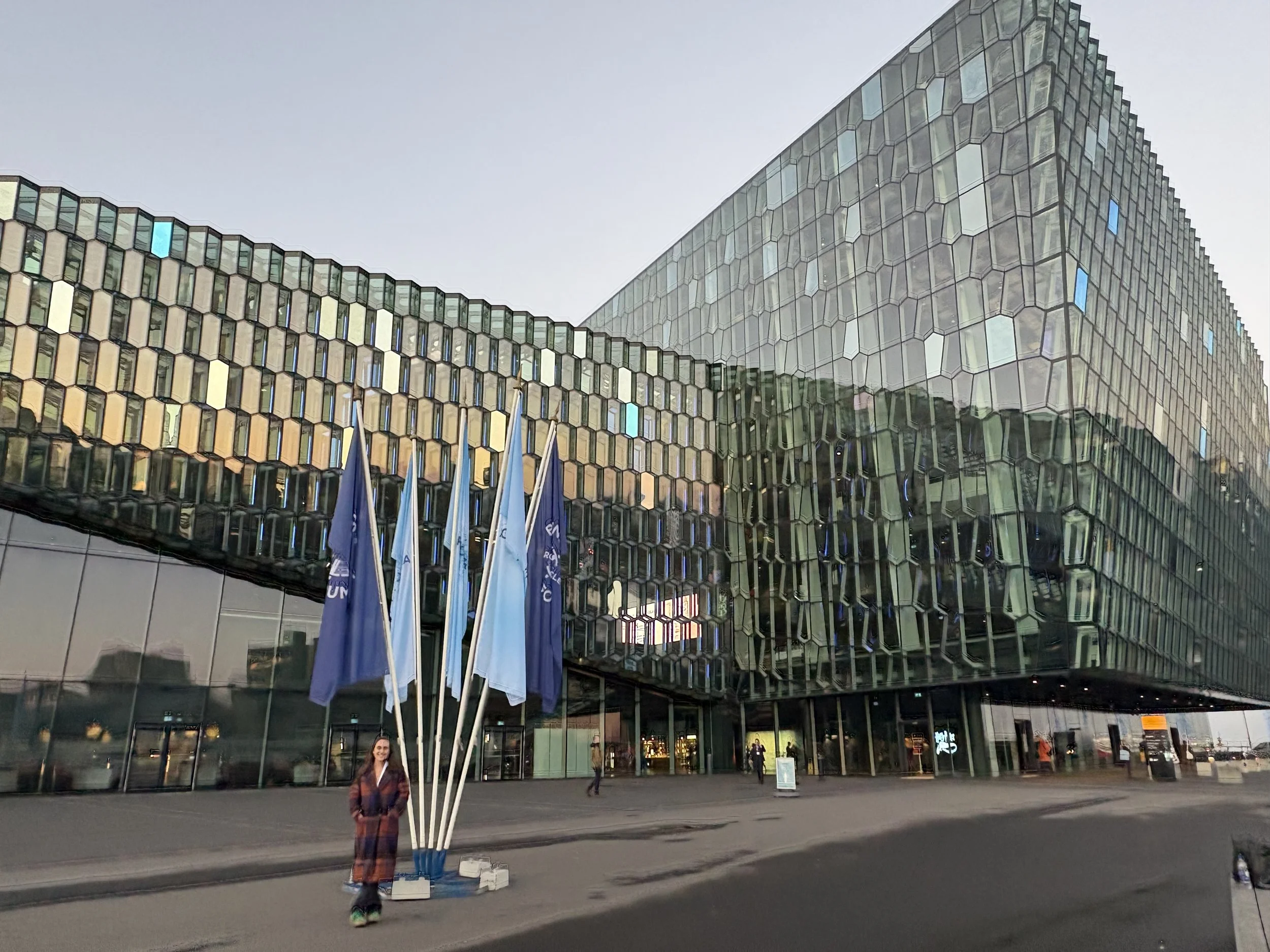
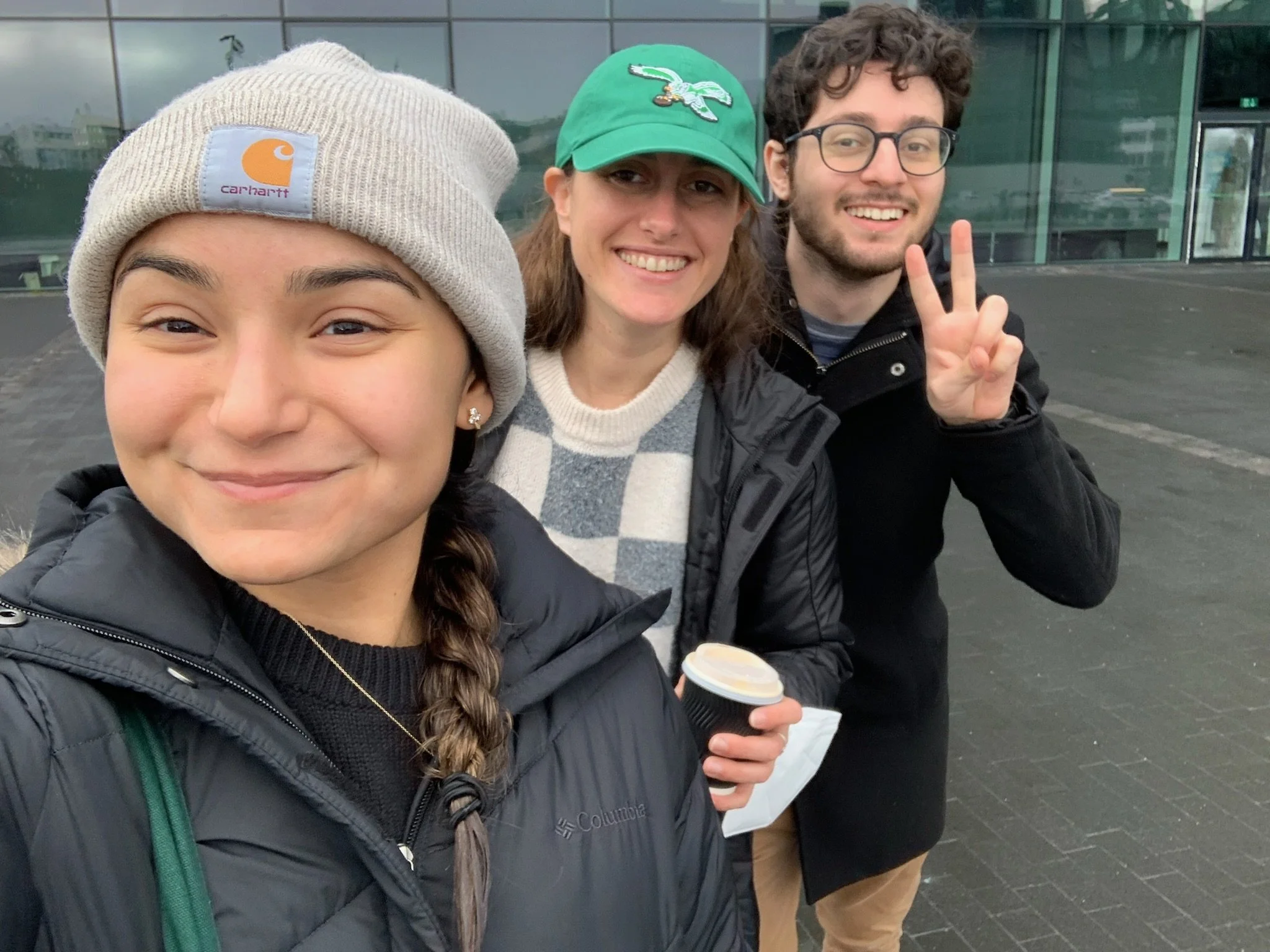
After taking a red-eye from Boston-Logan to Keflavik Airport and arriving the day before the conference with two friends (who are also Fletcher students), we spent time exploring the city, getting our bearings before being swept up by the chaos of the conference. This extra day proved crucial for me, because unlike last year, when I arrived late the night before the first day of the conference, this year, I felt well-adjusted to the time change, and was able to get more out of the experience.
The combination of better planning and attending for the second year in a row resulted in me understanding more of the topics being discussed, asking better questions during the Q&A portions of the panels, and having more confidence to approach experts and leaders whom I found interesting. Among the topics that I found especially enthralling, were panels on deep seabed mining for critical minerals. These panels discussed the potential impacts of deep seabed mining and stressed the importance of performing further research into its impacts on the environment. I especially appreciated these insights because of how integral critical minerals are to modern technology. Another panel I appreciated was “Will a Transpolar Route Fundamentally Change Arctic Geopolitics and Economics?”. As indicated by the title, this session centered around the potential impacts of—and reasons for—a transpolar sea route, discussing both the Northern Sea Route and the Northwest Passage. The experts and researchers featured on this panel discussed whether such routes will be a true necessity in the coming years and decades, given the impacts of climate change on the region with respect to its accessibility, which will likely drive an increase in activity. Outside of these panels discussing direct activity in the Arctic, I took the opportunity to attend panels on the interests of non-Arctic middle powers, such as Italy and Ireland, and their activity in the Arctic so far.
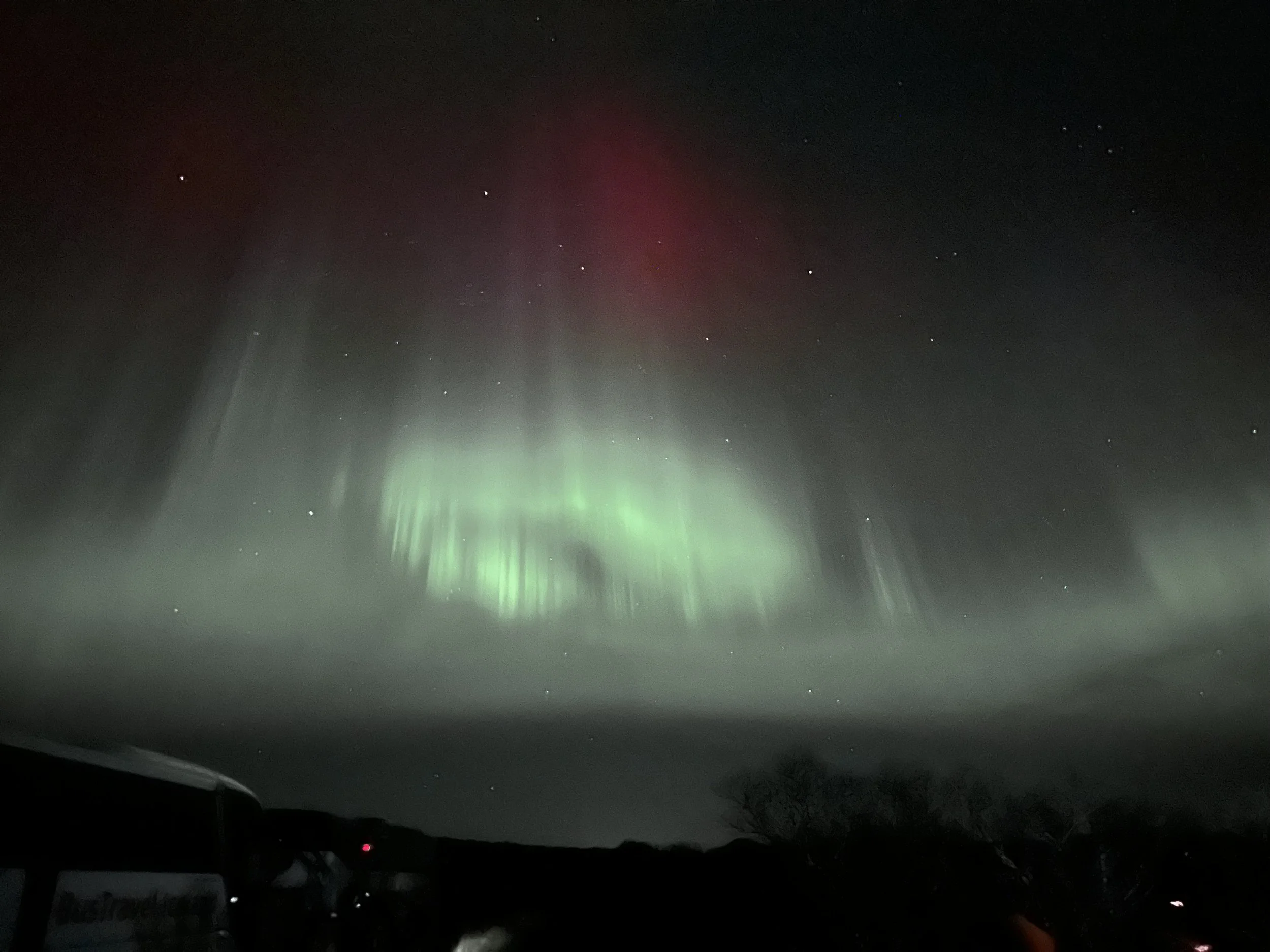
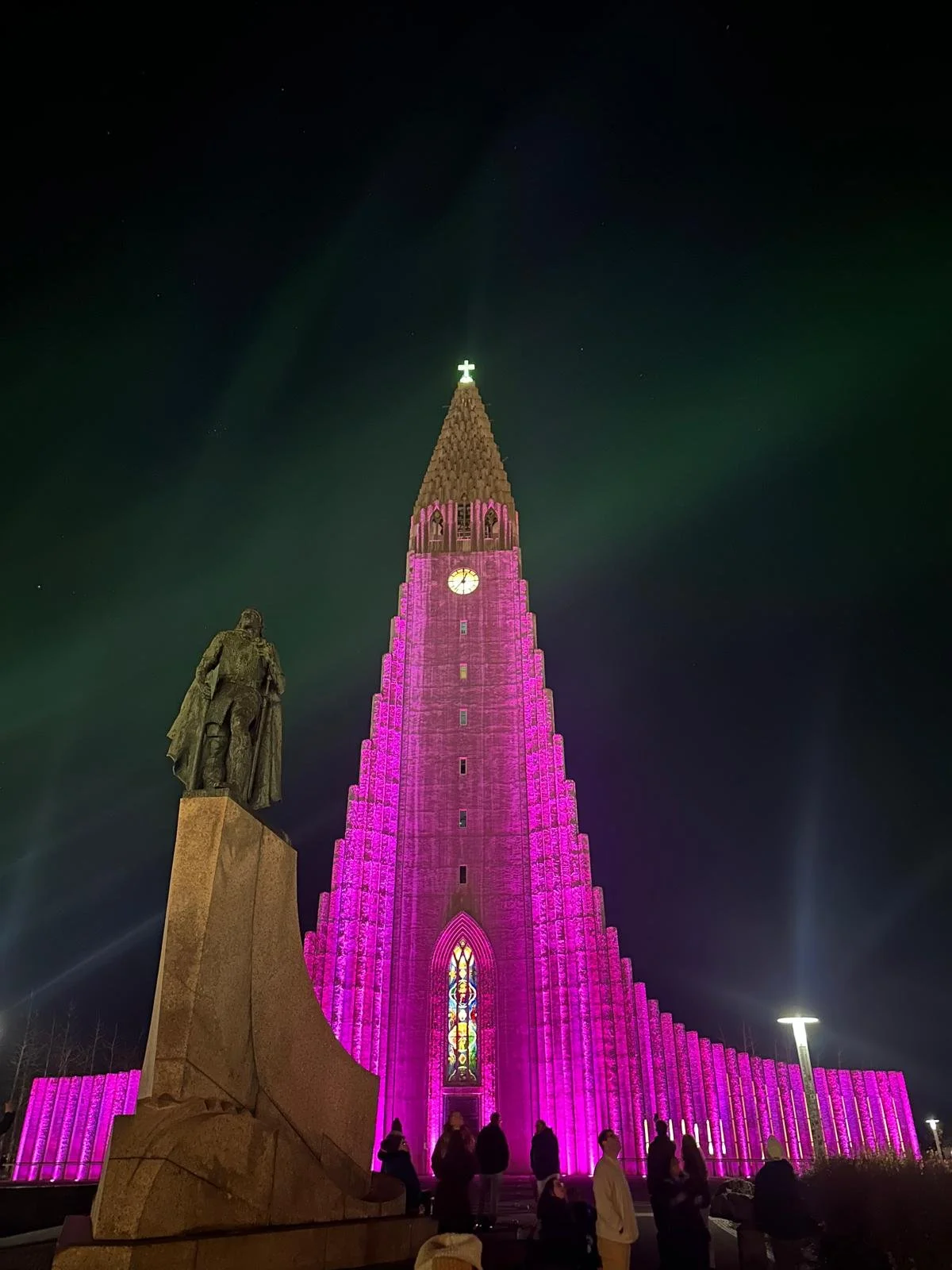
In addition to the sessions that I attended, I had the opportunity to talk to people whom I had met at the conference last year. In doing so, I gained insight into their newest research and career developments, which helped me understand some potential post-graduation career paths. For me, the in-person networking I was able to do was just as important at the panels I went to. In the modern, technology-laden world, making human connections is of utmost importance, especially since I am forging a career path in an area that I don’t have as much direct experience in. Likewise, the intangible benefit of experiencing a different culture—even just for a few days—helped me gain new perspectives, which is integral to someone hoping to make a career in the field of international relations.
Genevieve is a second-year MALD concentrating in Environmental Policy and International Security, focusing on energy and the intersection of climate and security. She is a Research Assistant for the Shared Waters Lab.