
When the Calendar Breaks: What the Tao People Teach Us About Climate Resilience

This blog is a part of our 2025-2026 Climate and Cultural Heritage Series made possible by the Fletcher Center for International Environment and Resource Policy and the Fletcher Office for Inclusive Excellence.
By: Yu-Han Cheng
On the remote Orchid Island (Lanyu) off the coast of Taiwan, the beginning of spring is not marked merely by a date on a calendar, but by the shimmer of silver wings above the waves. For the Tao people, the arrival of the flying fish signals the start of the Flying Fish Festival. It is a time of chanting, profound gratitude, and the launching of the iconic hand-carved Tatala boats, vessels that carry both people and gods, serving as a medium connecting people with the land and the sea.
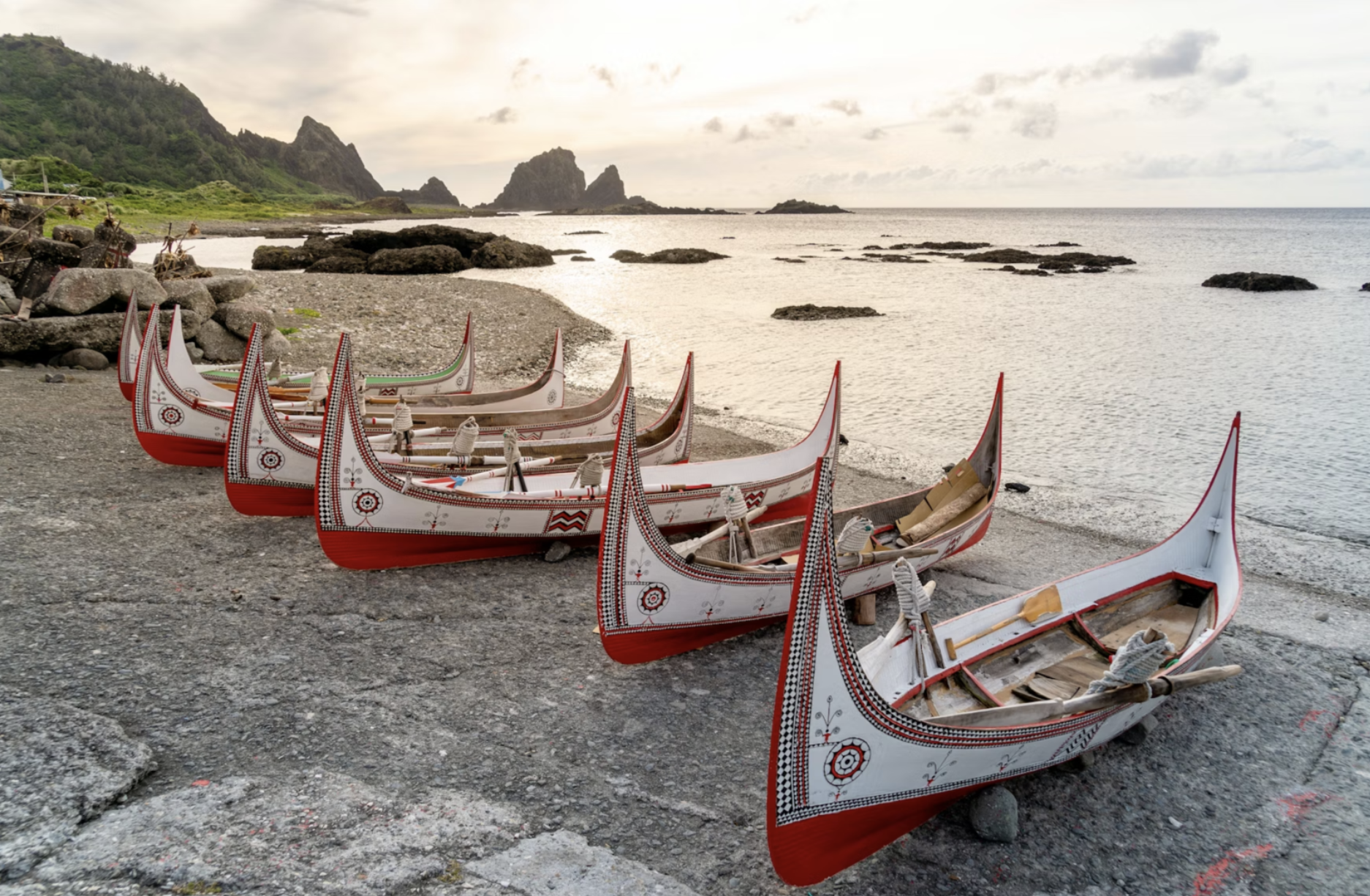
[Traditional Tatala boats of the Tao people during the Flying Fish Festival on Orchid Island. Source: Unsplash (Winston Chen)]
However, viewing this festival solely as a colorful cultural performance is to miss its deepest significance for the Tao people. For centuries, the Tao have operated one of the world’s most sophisticated marine conservation systems, one that relies on spiritual taboos to enforce ecological balance. But today, as the Pacific Ocean warms and industrial threats loom, the Tao face a crisis that is as much about cultural survival as it is about environmental justice.
For an outsider, the Flying Fish Festival is a ceremony. For the Tao, the ritual is seen as regulation. The tribe follows a strict lunar calendar that divides the year into three distinct fishing seasons: Rayon (flying fish season), Teyteyka (end of fishing), and Amiyan (winter season).
During Rayon, which typically runs from March or April to July, the customary regulations of protecting the ocean are absolute. The most critical rule is the prohibition against catching bottom-dwelling reef fish while the flying fish are present. In modern ecological terms, this is a seasonal moratorium that allows reef populations to regenerate, preventing overfishing and ensuring biodiversity. The Tao practice strict gear restrictions, traditionally, they use nets and lights rather than hooks for flying fish, to reduce bycatch and injury to marine life.
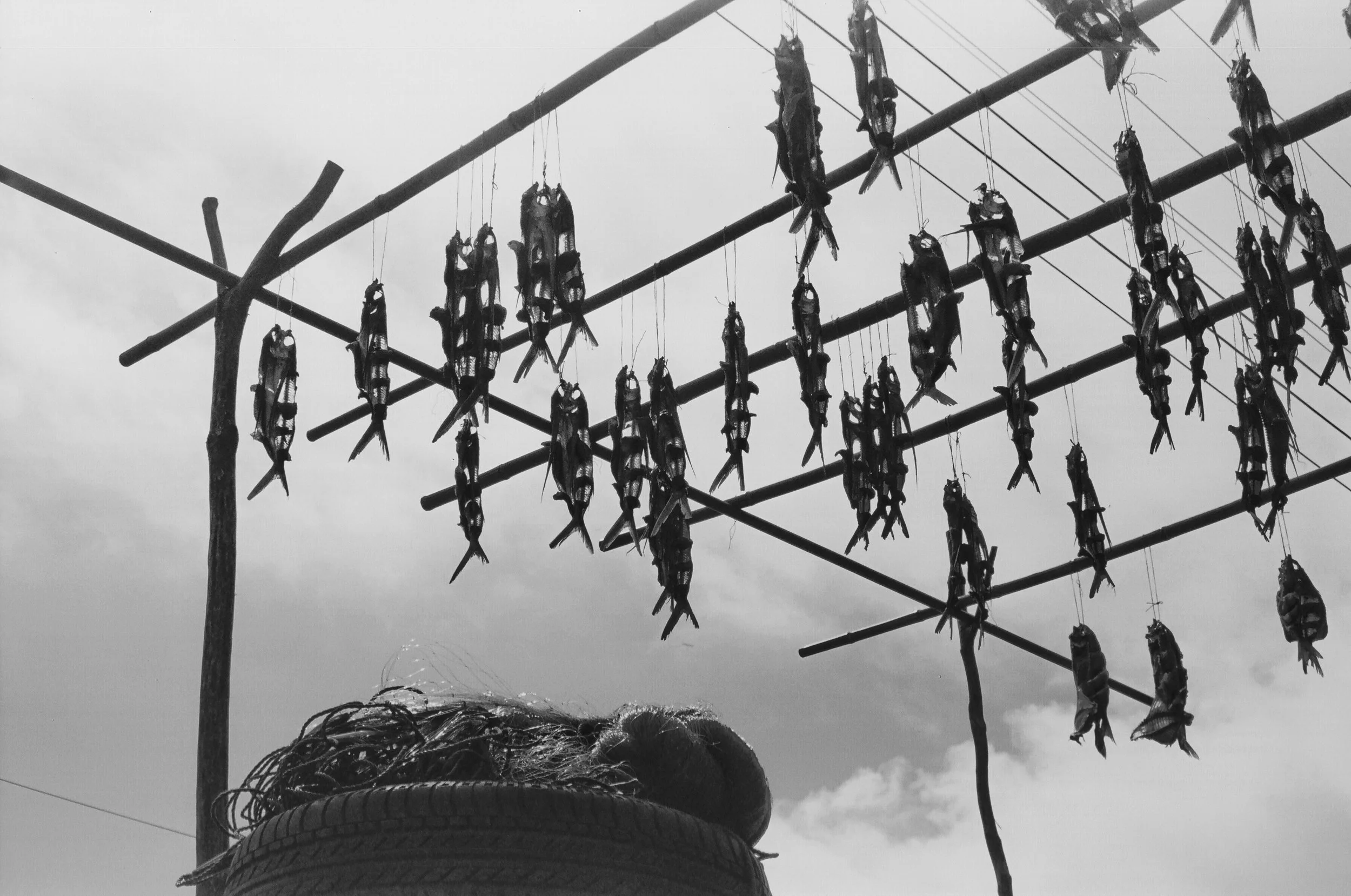
[Sun-drying flying fish, a traditional preservation practice that reflects Tao's sustainable use of marine resources. Source: Flickr (Jonathan Chen), licensed under CC BY-NC-SA 2.0]
These taboos, as well as the cultural mandate to share the catch and the prohibition against hoarding, function as an ancient form of resource management, ensuring that the community never takes more than the ecosystem can replenish. This sustainability does not derive from any government decree, but from their traditional nature and spiritual imperative.
Climate change, however, does not respect ancient calendars. The migration of flying fish relies heavily on the Kuroshio Current, a warm ocean current that flows past Taiwan. As global ocean temperatures rise, the behavior of this current is becoming erratic. The elders on Orchid Island began to notice a disturbing trend that the fish are arriving later, in smaller numbers, or even moving further north to find cooler waters, creating a phenological mismatch that decouples the cultural calendar from the ecological reality. The community is left in a precarious position when the rituals dictate that the season has begun, but the ocean says otherwise. The breakdown of this cycle threatens the transmission of traditional ecological knowledge to the younger generation. The traditional tales begin to lose their anchoring in the physical world if the fish do not arrive when the old stories say they will.
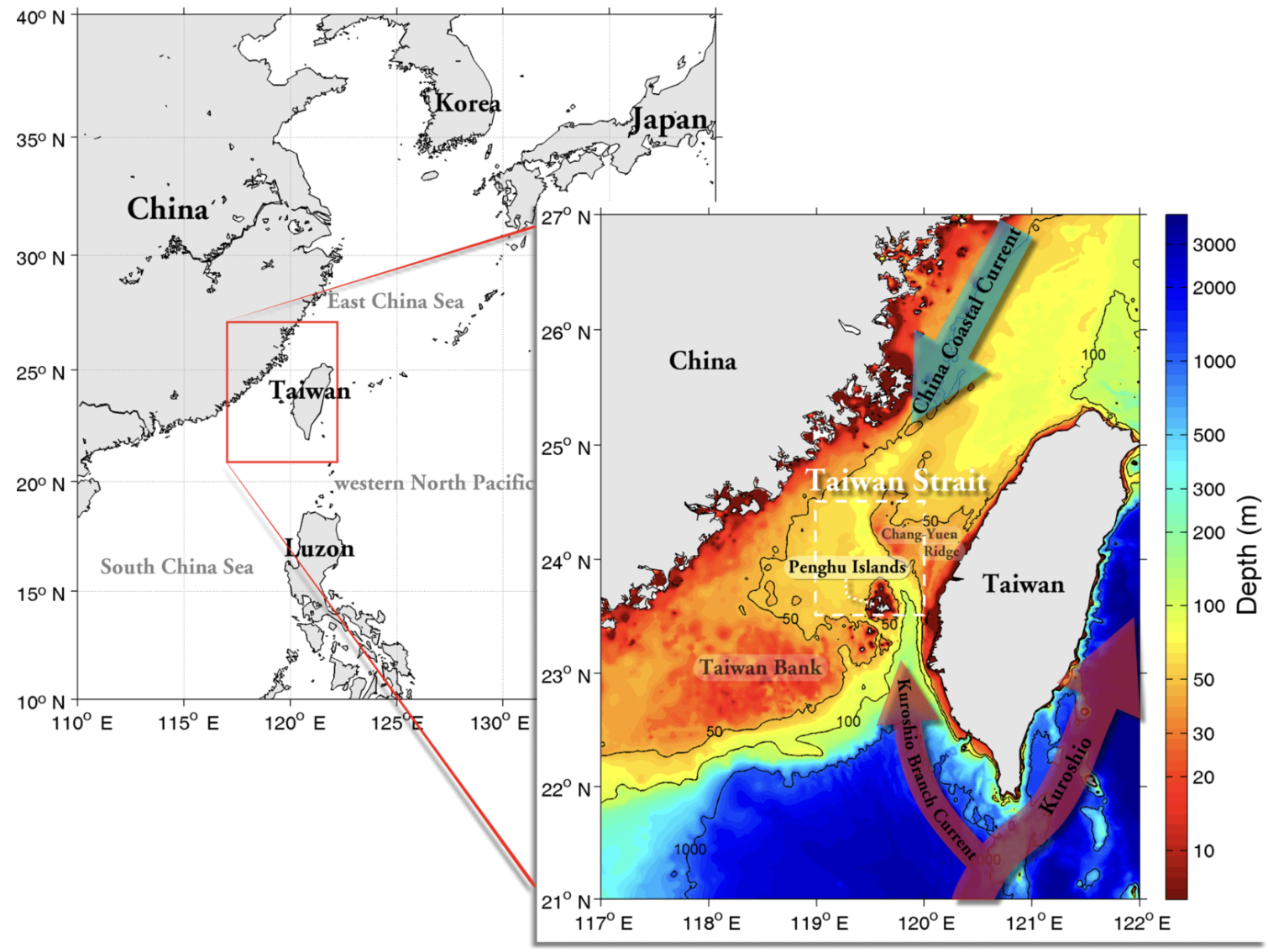
[The Kuroshio Current, whose shifting patterns under climate change are disrupting the seasonal migration of flying fish and the ecological rhythms that Tao traditions depend on. Source: Cheng & Chang (2018), Natural Hazards and Earth System Sciences, CC BY 4.0. ]
Besides, there are convergence of threats that can disrupt the flying fish migration as well, compounded by tangible, human-made threats. The Lanyu Nuclear Waste Storage Facility on Orchid Island is the site of a notorious environmental injustice. The facility houses low-level nuclear waste from Taiwan’s power plants. The fear of radiation leakage into the fishing grounds and the encroachment of large-scale industrial fishing vessels from outside the island places the Tao in a defensive crouch. They are squeezed between the invisible threat of climate change and the visible threat of industrial exploitation. The ocean, once their provider, is becoming a source of anxiety.
As the world grapples with how to implement 30x30 (the global goal to protect 30% of the ocean by 2030), the ancient wisdom of the Tao offers a critical lesson for modern society. While modern conservation policies often rely on fortress conservation by fencing off nature from humans, the Tao model proves that humans can be keystone species in their own ecosystems with a heart of restraint and respect.
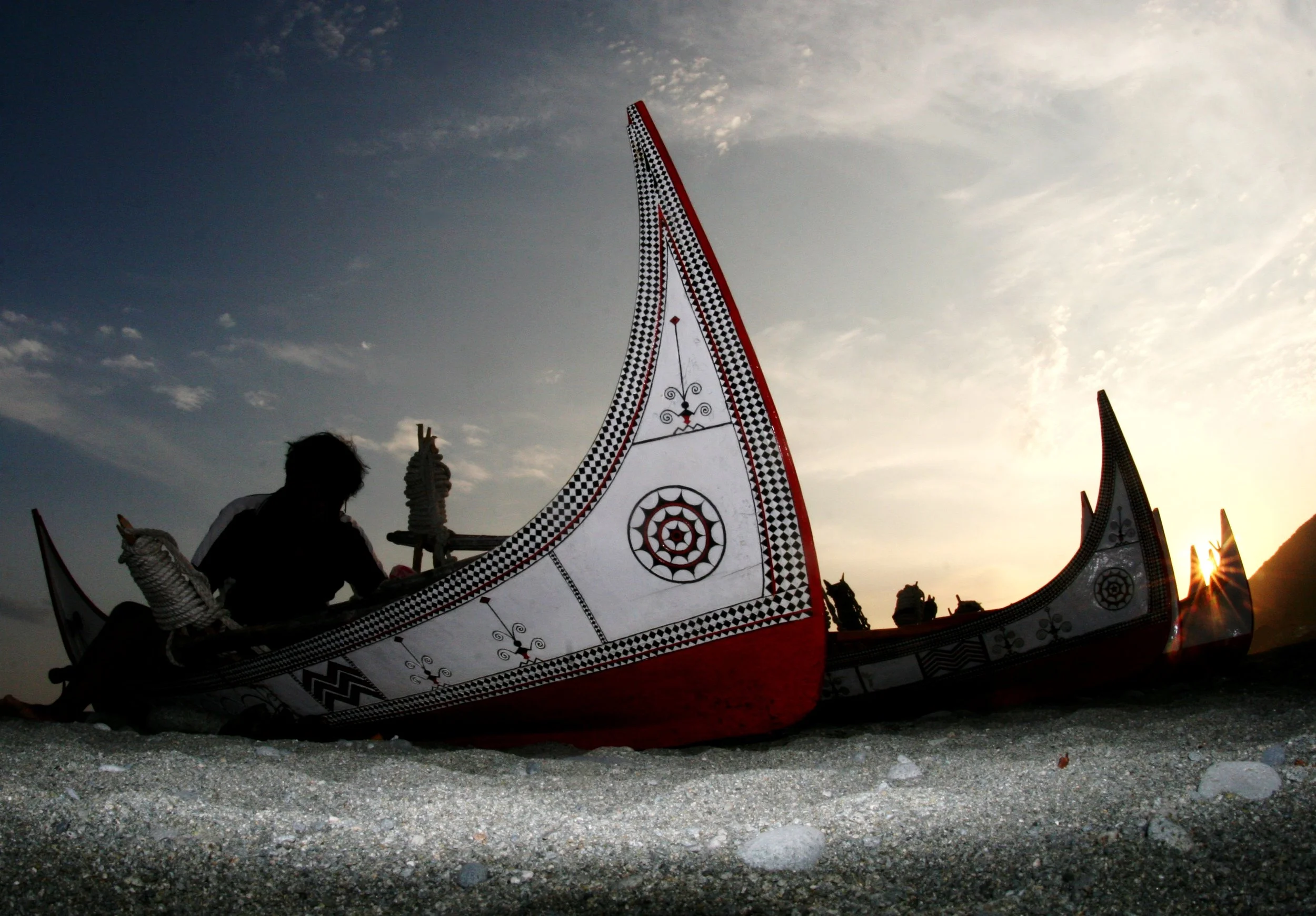
[A Tao fisherman with a Tatala boat on Orchid Island, reflecting a long-standing relationship between people, culture, and the sea. Source: Flickr (coolloud), licensed under CC BY-NC-ND 2.0]
As for environmental justice, the plight of the Tao is a warning that indicates climate change destroys not just biology but culture. However, it can also work as a roadmap, telling us that real climate resilience requires us to look beyond science and integrate Indigenous wisdom. People must understand that saving the flying fish is not just about counting stocks or ensuring that humans will always have an inexhaustible supply of marine resources, but about respecting the rhythm of the ocean and the rights of the people who have known that rhythm the longest.
On Orchid Island, the elder Taos still chant to call the fish. The lasting question is whether the changing world will still allow the ocean to answer.
Yu-Han Cheng is a Master of Arts in Law and Diplomacy candidate at The Fletcher School at Tufts University, focusing on international security and international law. Her interests center on Indo-Pacific security and Taiwan policy, with a focus on how legal frameworks and local knowledge systems shape responses to evolving geopolitical challenges. Drawing on prior experience in Taiwan’s public sector, she also explores the governance implications of emerging technologies and environmental change.