
The Uncertain Future of the Fossil Fuel Phase-out Roadmap
By: Kate Hua-Ke Chi, kate.chi@tufts.edu
A proposal to reduce dependence on fossil fuels
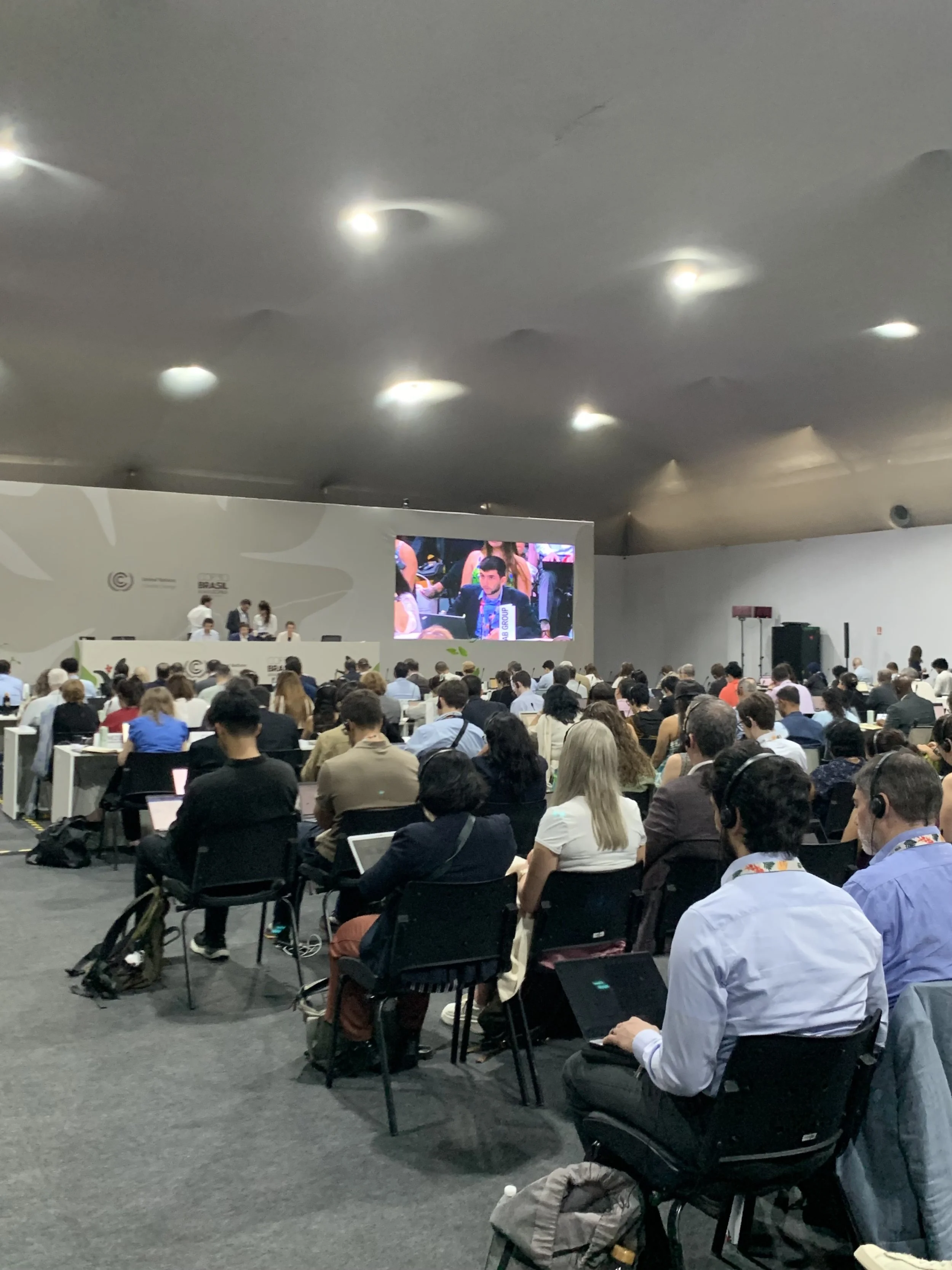
Leading up to this year’s United Nations Framework Convention on Climate Change (UNFCCC) Conference of the Parties (COP), conversations around fossil fuels had been building: COP30 CEO Ana Toni stressed that reductions in methane emissions from the fossil fuel sector are essential for keeping the Paris Agreement’s temperature goals within reach, and would therefore be a central focus of COP30 in Belém. It is noteworthy that nearly one-third of human-caused methane emissions come from the fossil fuel sector, in which record-high oil, gas, and coal production and limited abatement efforts have held emissions steady at more than 120 million tonnes each year. In addition, methane is far more climate-forcing than carbon dioxide, making rapid cuts especially impactful for near-term climate progress. Emerging technologies, for instance satellite systems to detect leaks from oil and gas operations, also offer opportunities for swift mitigation action. Yet, curbing methane will require coordinated efforts across governments, industry, and civil society, and therefore must become a cornerstone of fossil fuel dialogue.
Moreover, the first Global Stocktake outcome has determined that the world is not on track to realize the long-term goals of the Paris Agreement, and the agreement from COP28 called for the “beginning of the end” in the fossil fuel era. Against this backdrop, COP30 took place this November, and the proposal of a fossil fuel phase-out roadmap gained tractions in the first week. This proposal is aimed at creating a structured framework for countries to gradually reduce their dependence on coal, oil, and natural gas. The idea gained momentum as more than 80 countries, including a mix of Latin American, African, Pacific, and European states, publicly supported the concept. Brazilian Environment Minister Marina Silva framed the roadmap as an ethical response to the climate crisis. The roadmap is not intended as coercive, but as a self-determined tool that could guide countries in a way that respects their differing energy landscape and needs. The proposal facilitates a platform in which each country sets its own pathway, decides on timing, and identifies which renewable energy or abatement technologies to rely on. It represents the opportunity to bridge the gap between COP28’s abstract pledge to “transition away from fossil fuels” and concrete, actionable steps.
Producers’ pushback
Despite its initial backing, the roadmap sparked fierce resistance from major oil producing countries, such as petrostates within the Arab Group. Their objections played out in procedural arenas: drafting text was delayed, language was bracketed, and consensus was shown elusive. Adding fuel to the fire, the United States’ withdrawal from the Paris Agreement and exit from the Just Energy Transition Partnership (JETP) earlier this year, further cast doubt of the legitimacy of a fossil fuel phase-out plan. As the world’s largest oil and gas producer with record fossil fuel extraction, its absence from key climate discussions undermines the roadmap’s credibility and international efforts in supply-side strategies. In addition, an analysis shows that more than 1,600 fossil fuel lobbyists attended COP30, outnumbering almost every country delegation and marking the largest industry presence at a COP to date. With one in every 25 participants representing the fossil fuel sector, this unprecedented representation of fossil industry interests raised concerns that corporate influence might steer negotiations, rather than climate change mitigation urgency.
The uncertain path forward
At the closing of COP30, the future of the fossil fuel phase-out roadmap remains uncertain. The latest draft of the COP outcome drops explicit language calling for a transition plan, reflecting the weight of opposition. The freshly released Global Mutirão on November 21 also makes no mentions of fossil fuels. While at least 29 nations threatened to block the final agreement without the roadmap of a just, orderly, and equitable transition away from fossil fuels, procedural challenges and political resistance proved formidable. And without a formal transition mechanism, the outcome of this COP risks remaining aspirational rather than operational, which could severely undermine progress toward the 1.5 C goal. During the first week at COP30, I presented on two panels: “Advances in the Implementation of Climate Policy” on Tuesday, November 11, and “Trade and Green Industrialization: Interlinkages and Impact” on Thursday, November 13. Across these conversations, I was struck by how little direct discussion there was about fossil fuel dependence, even though it is at the core of the transition challenge. This absence underscored how central political and economic dynamics, not a lack of policy ideas or scientific backing, form the real barrier to phase-out action. As I return to my dissertation research, I remain committed to examining the political and economic variables that shape fossil fuel development, as understanding these dynamics is essential to mapping a credible pathway towards a low-carbon future.
Kate Chi is a Predoctoral Research Fellow at the Climate Policy Lab. She received her master's degree in economics from Boston University and a bachelor's degree in business administration and economics from the George Washington University in Washington D.C.. Prior to joining the Climate Policy Lab, Kate served as Research Assistant at the Global Development Policy Center and Teaching Fellow in the Department of Economics at Boston University. Her current work examines the political economy of climate change, climate finance and sovereign debt distress in developing states, and the retirement of coal-fired power plants.