Tufts University at COP28
What is the Climate Policy Lab?
The Fletcher School’s Climate Policy Lab (CPL) at Tufts University works to determine which climate policies work, which don’t, and why. The lab conducts independent, evidence-based research and policy analysis, providing objective insights that enhance effective climate-related choices for policy makers across the geographic and ideological spectrum. Our work is founded on the desire for sustainable and resilient development that will address climate change in a manner that will improve the quality of life for all people. The scope of the Lab is highly attuned to state, national, and bi-lateral policy processes while maintaining a global perspective – the motto of The Fletcher School.
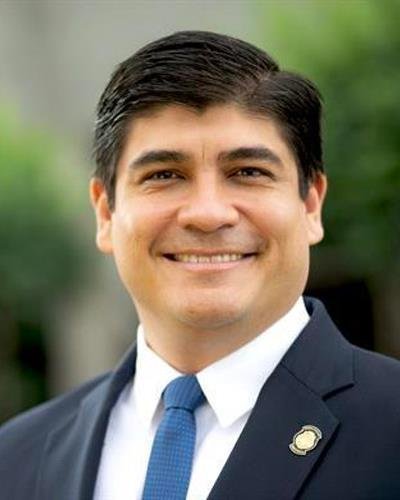
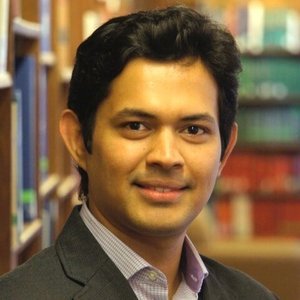
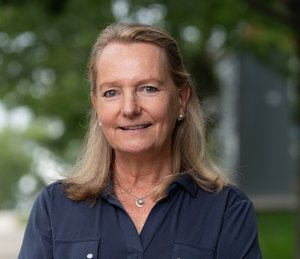
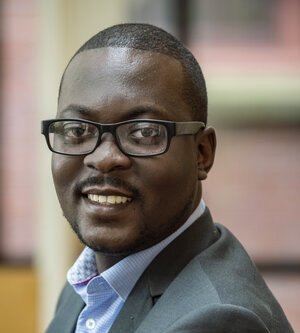
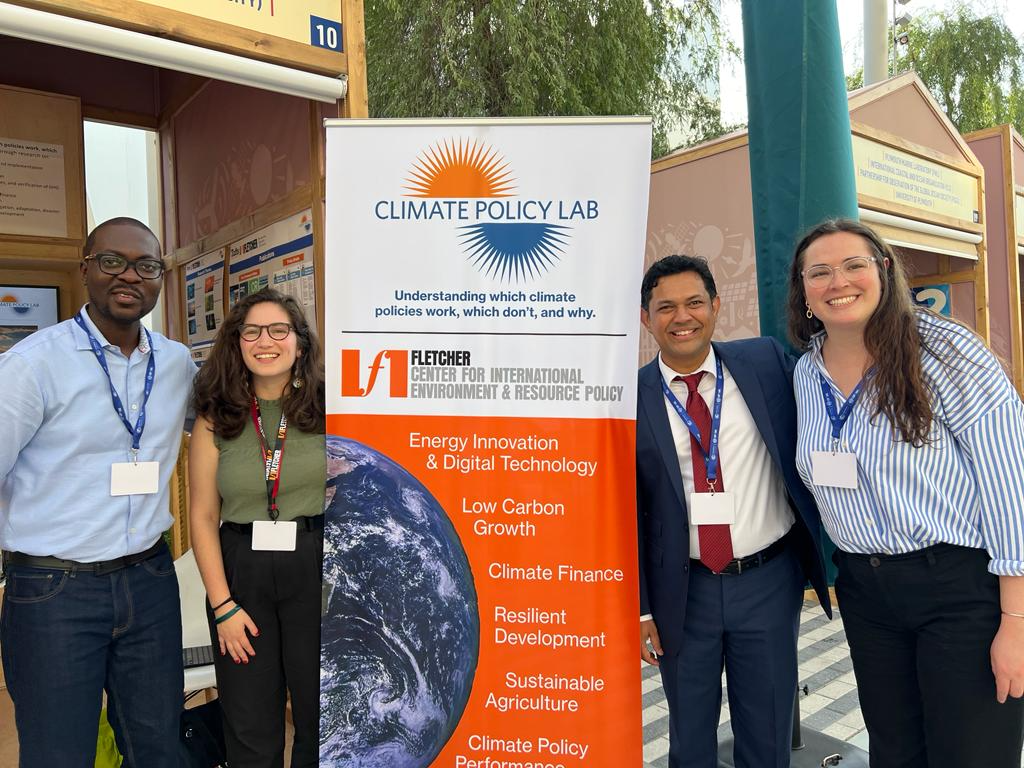
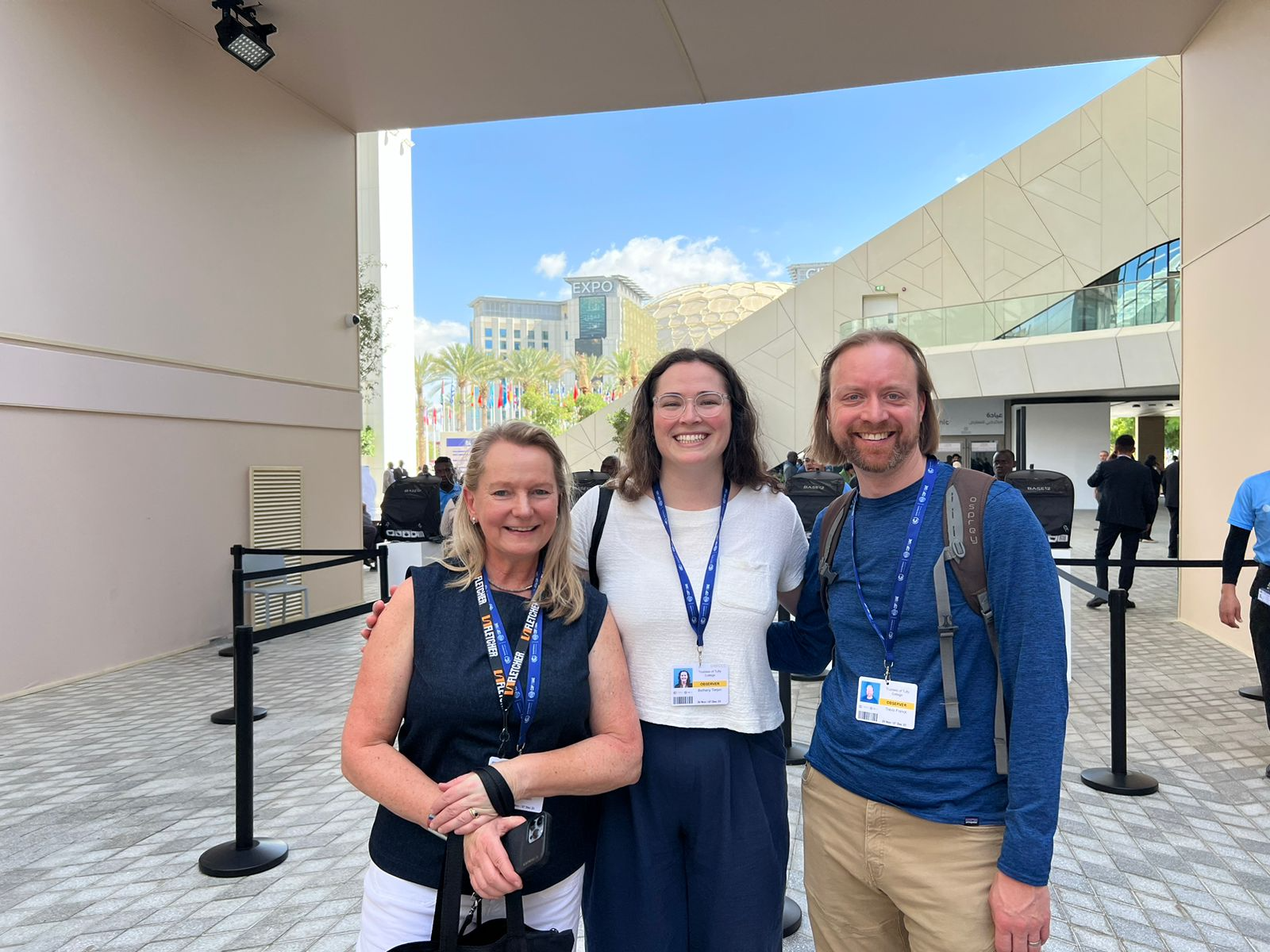
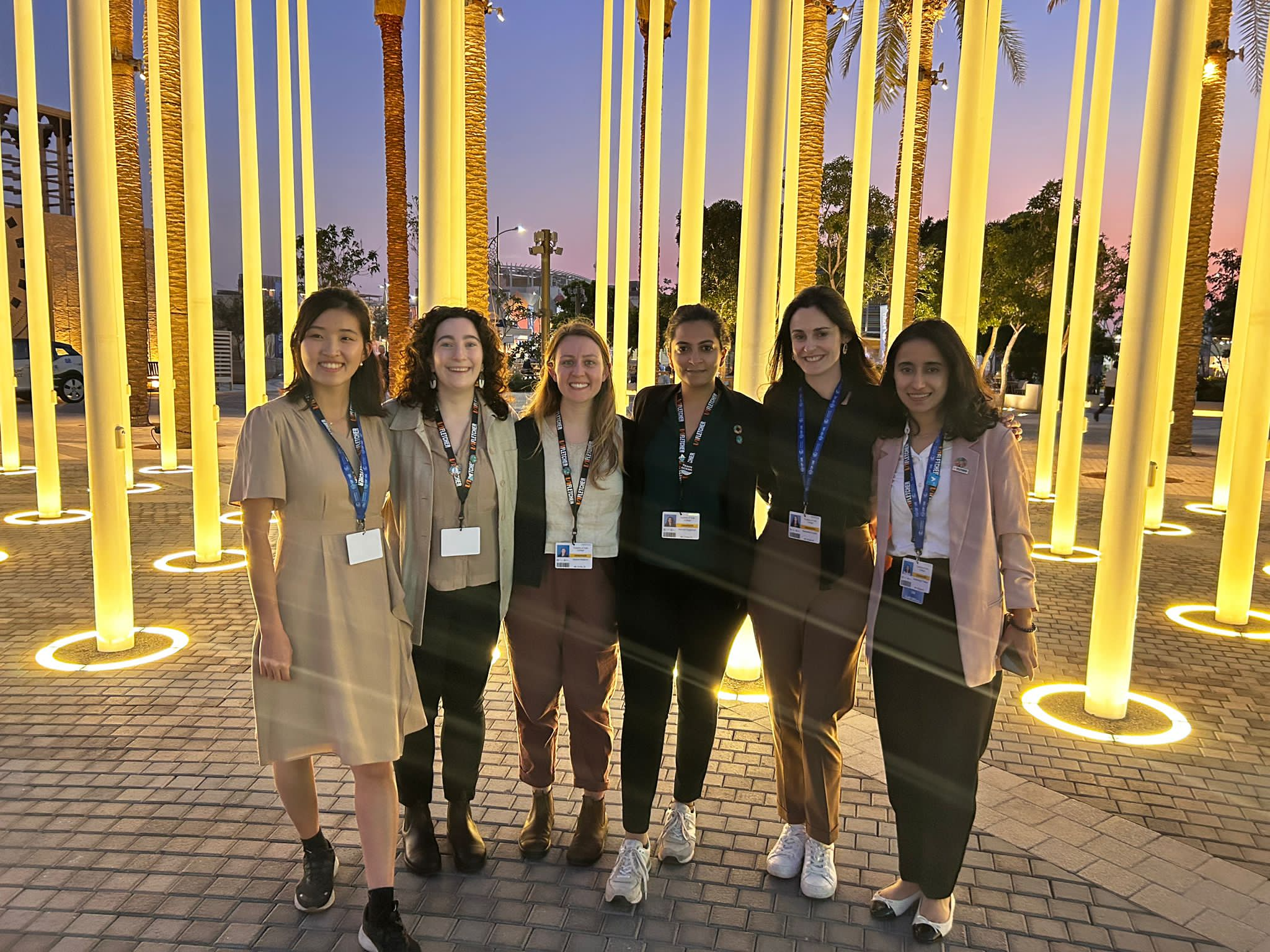
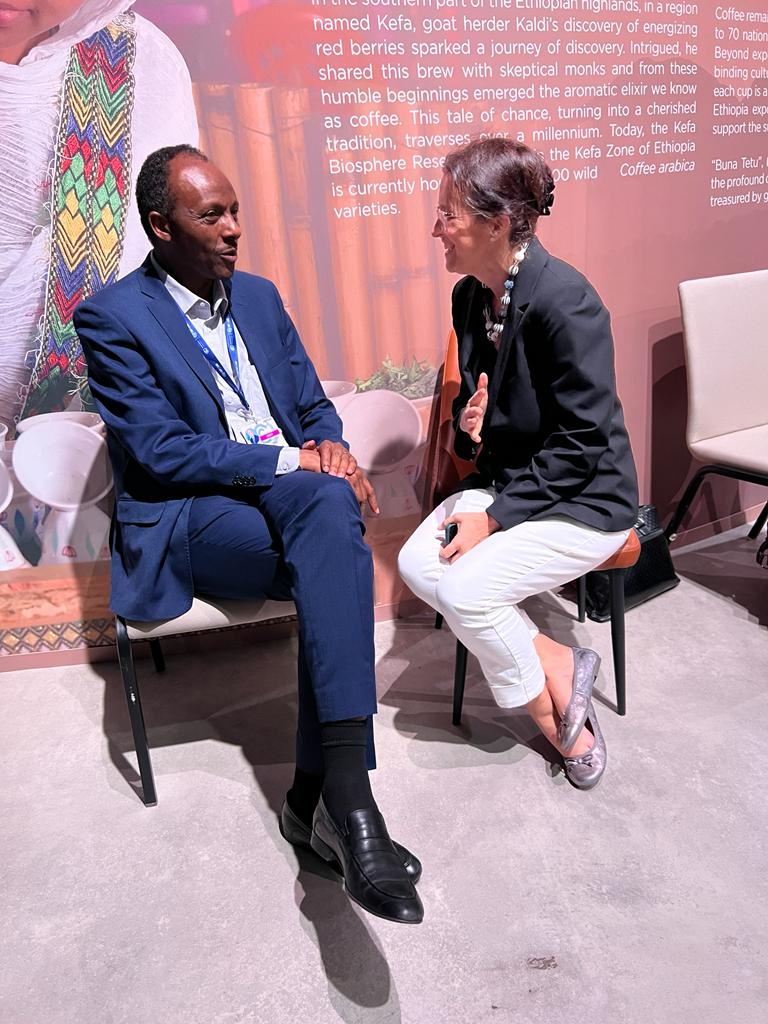
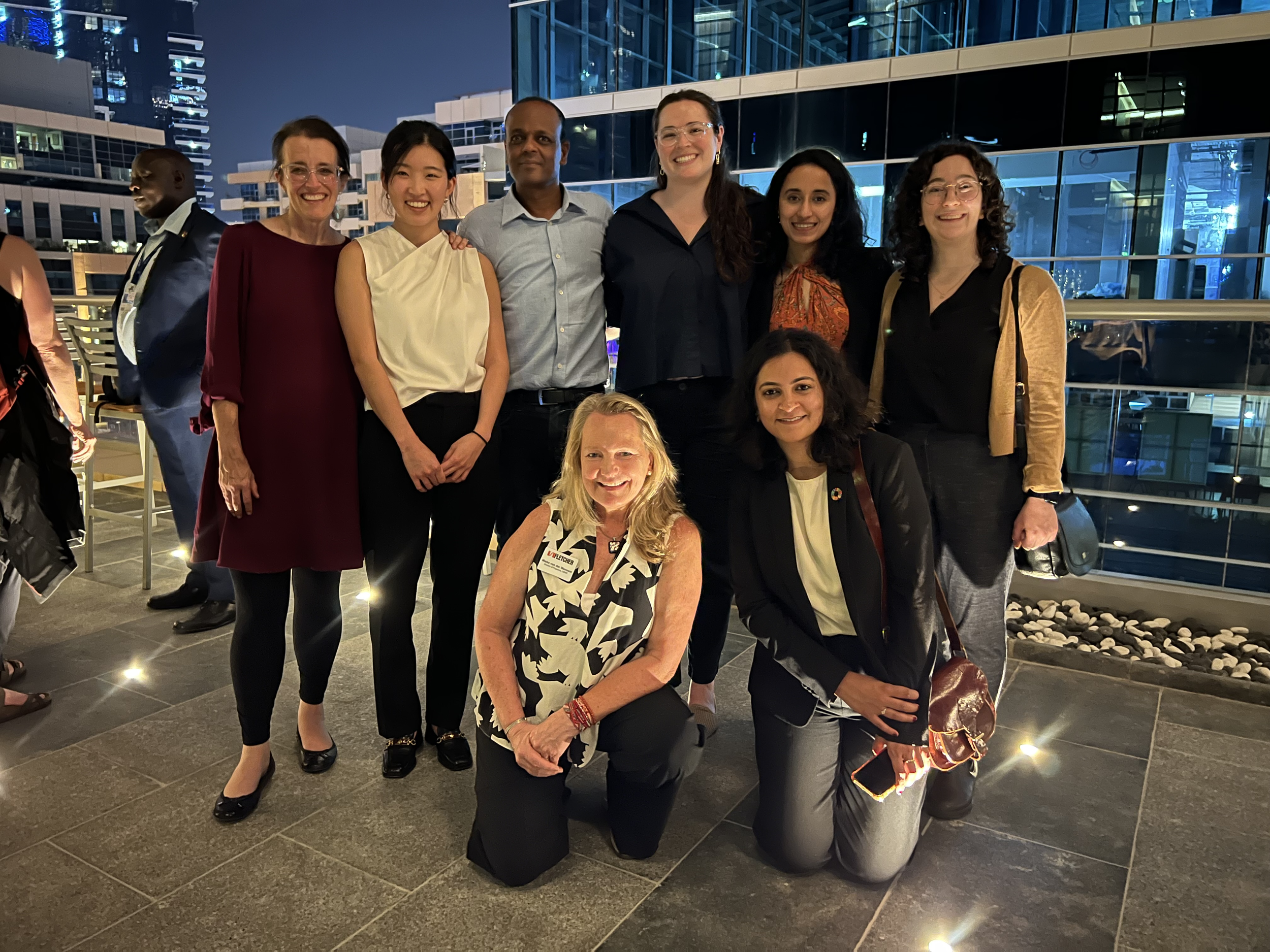
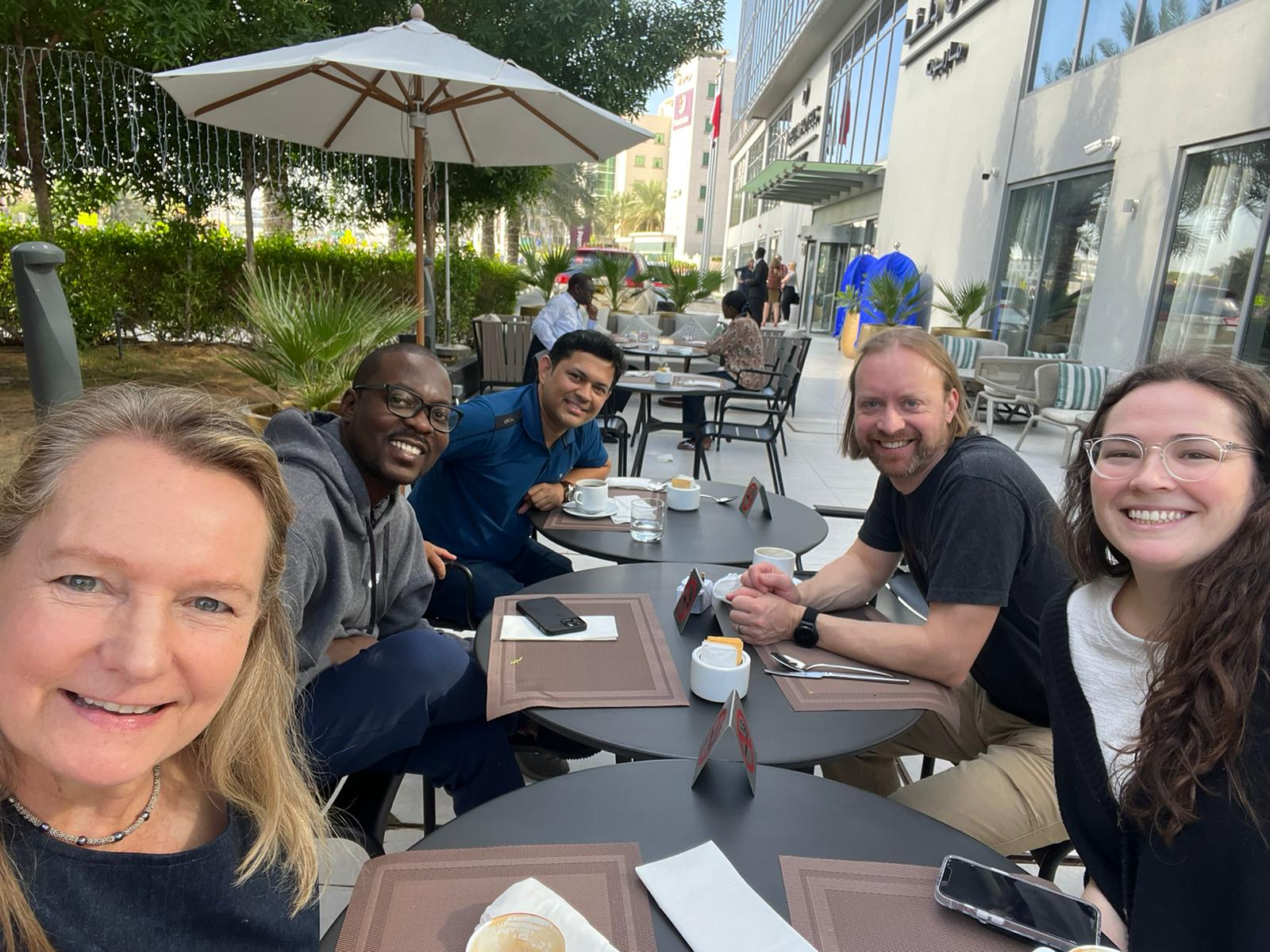
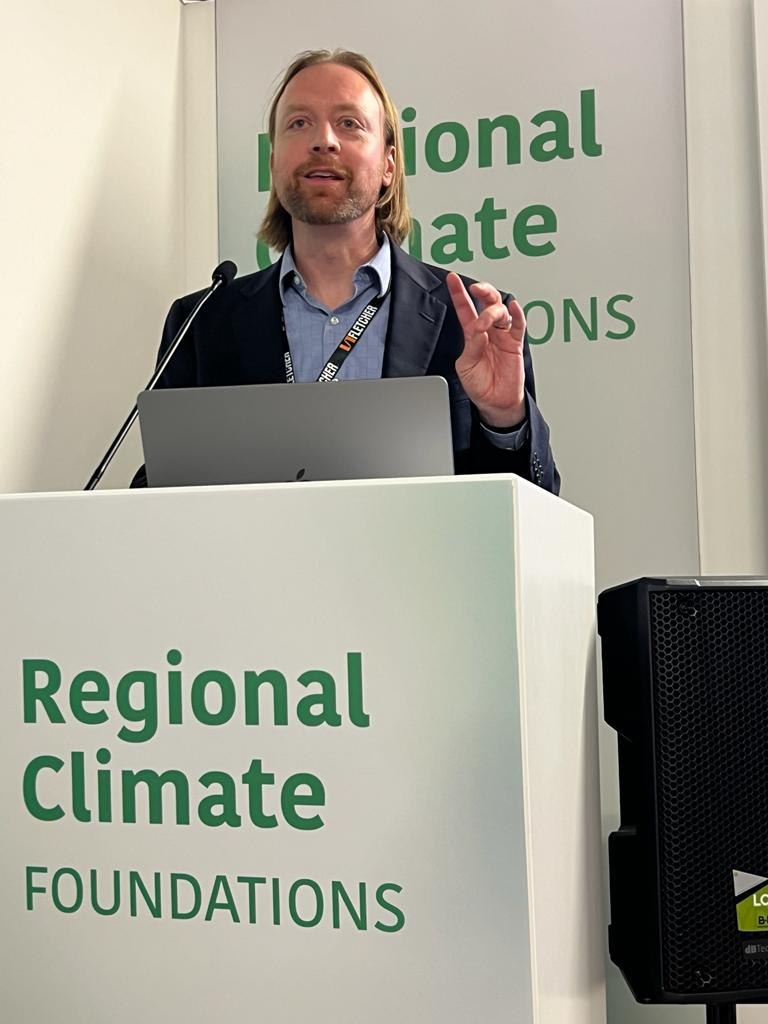
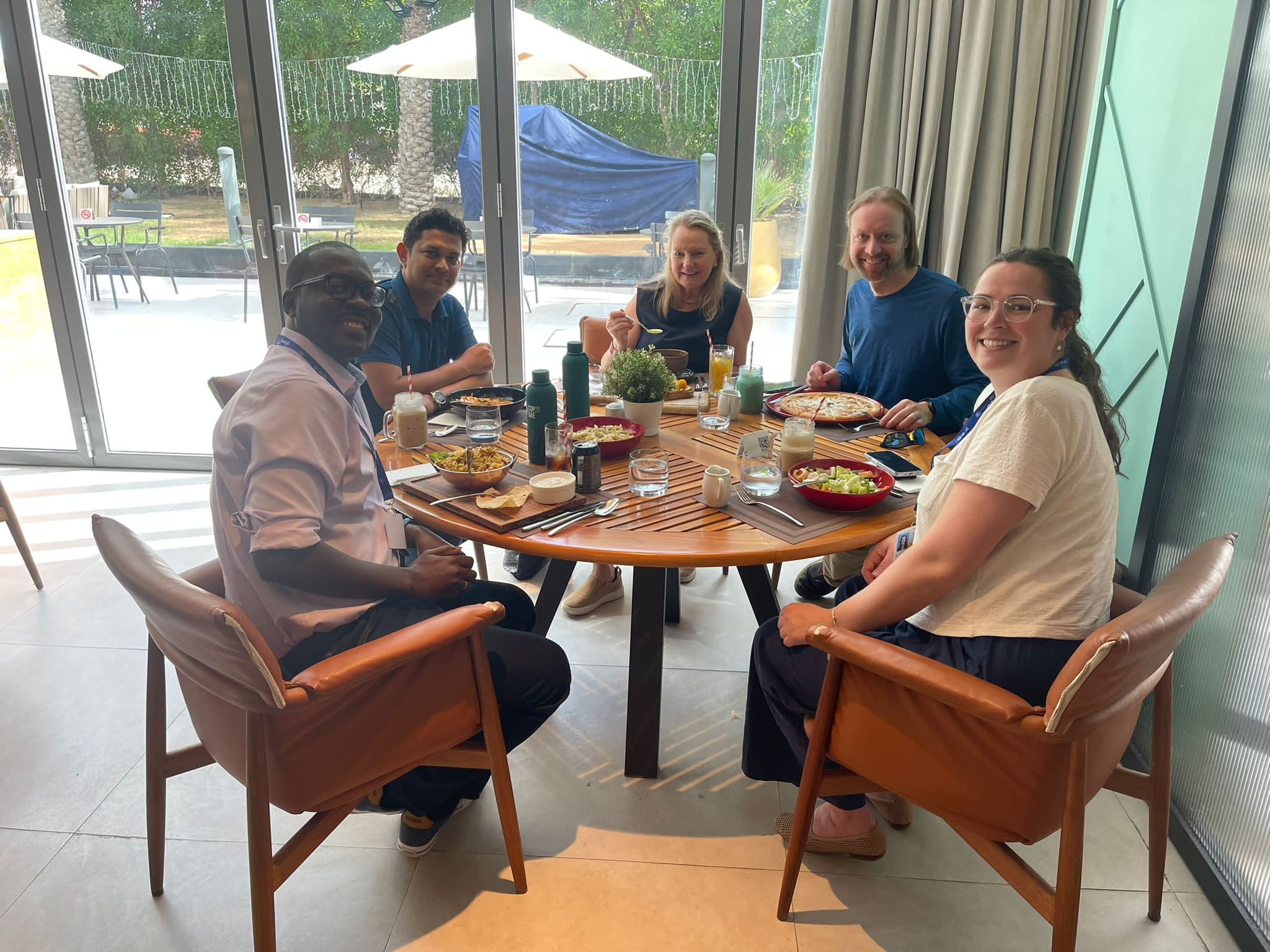
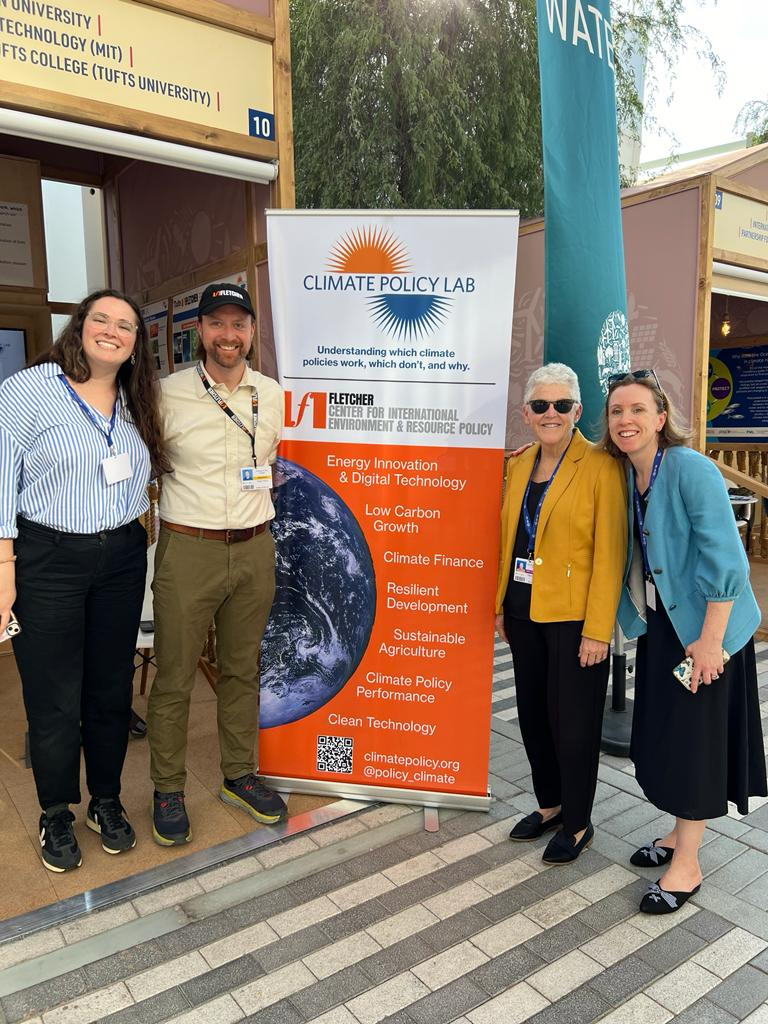
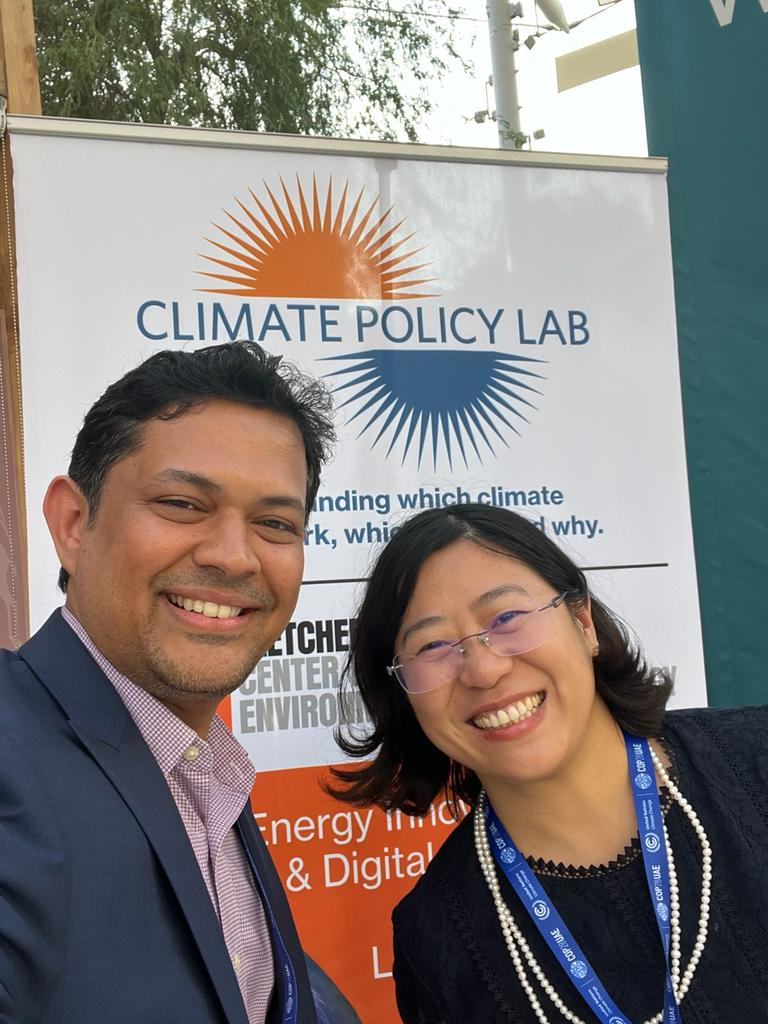
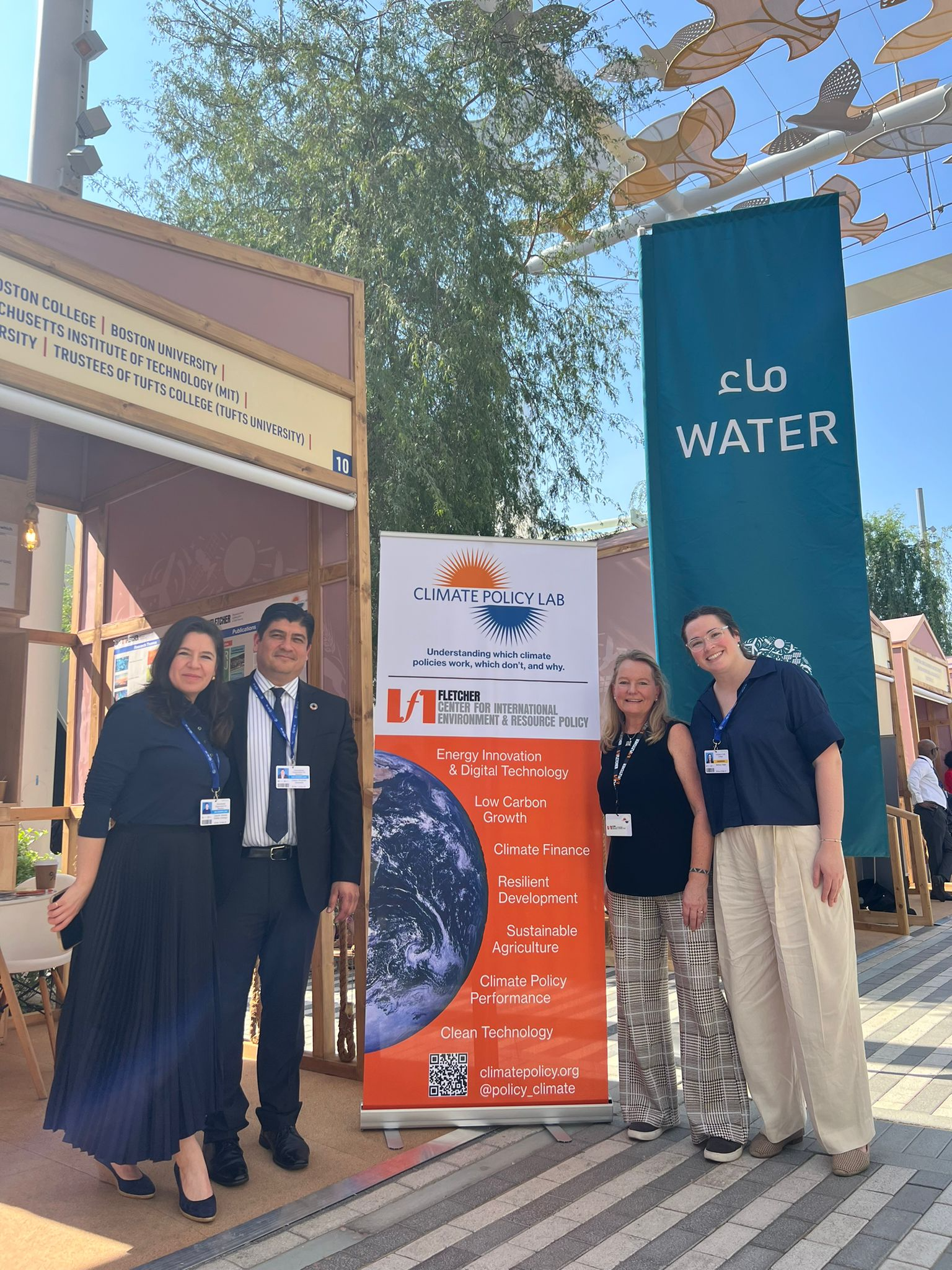
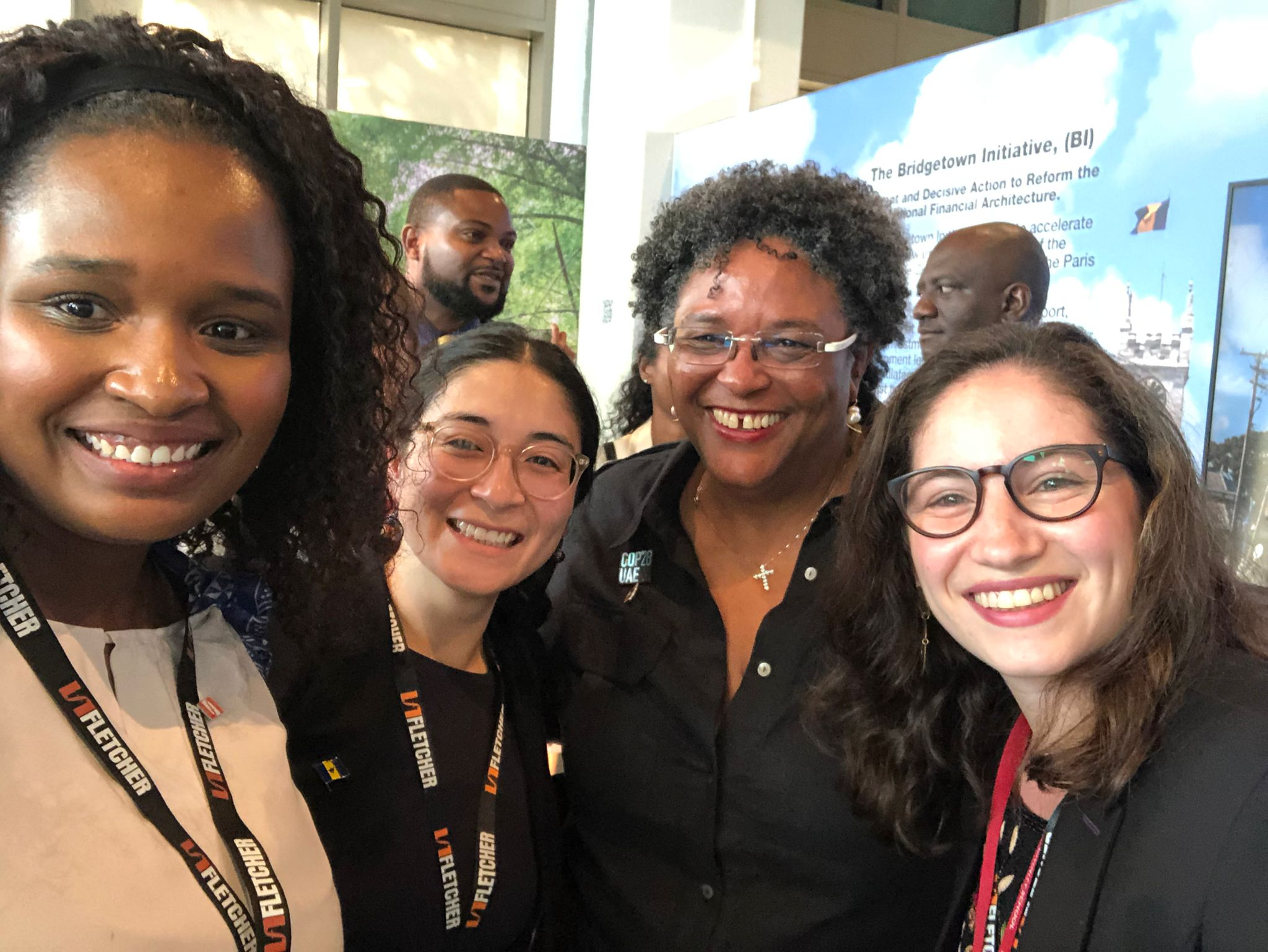
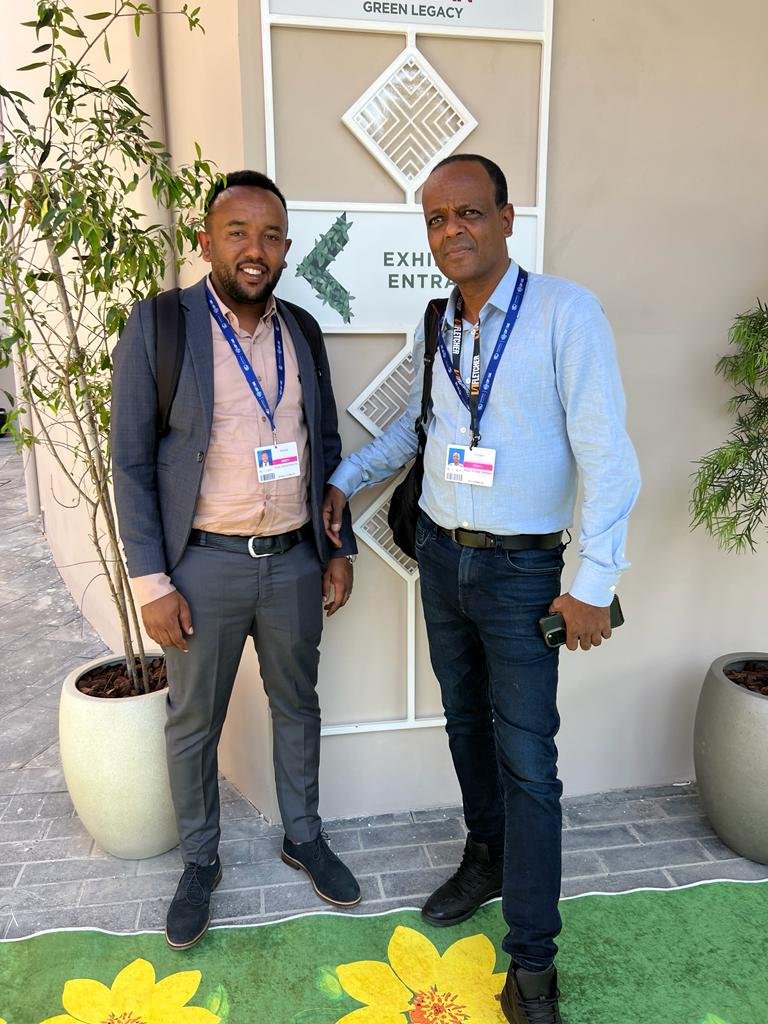
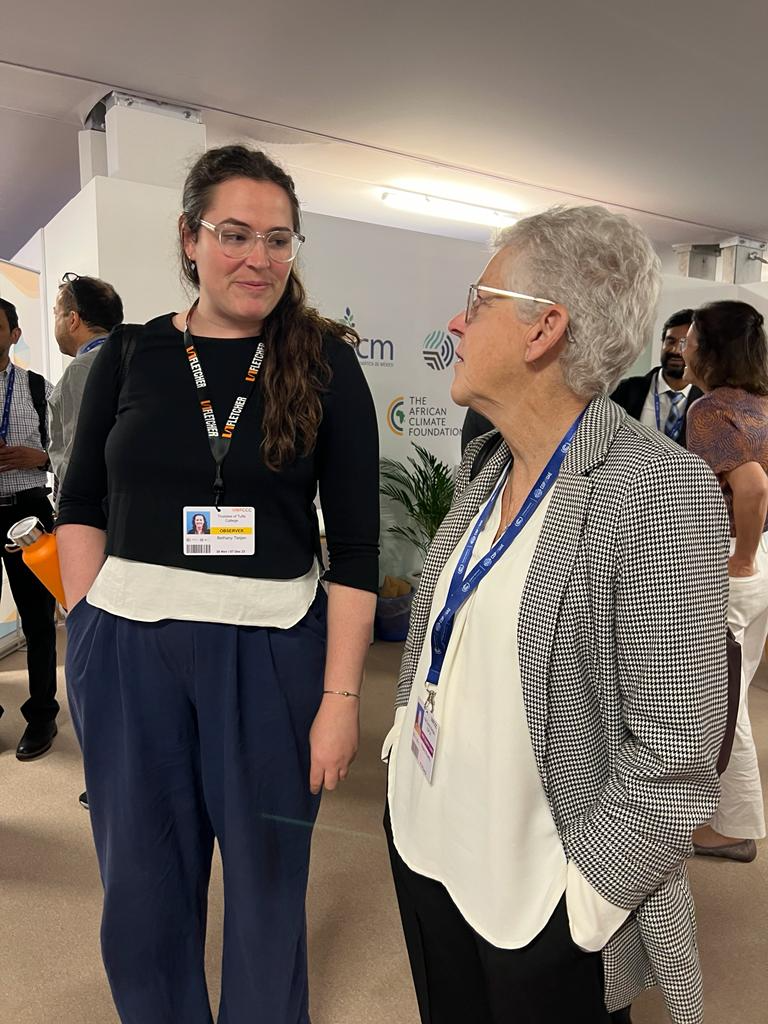
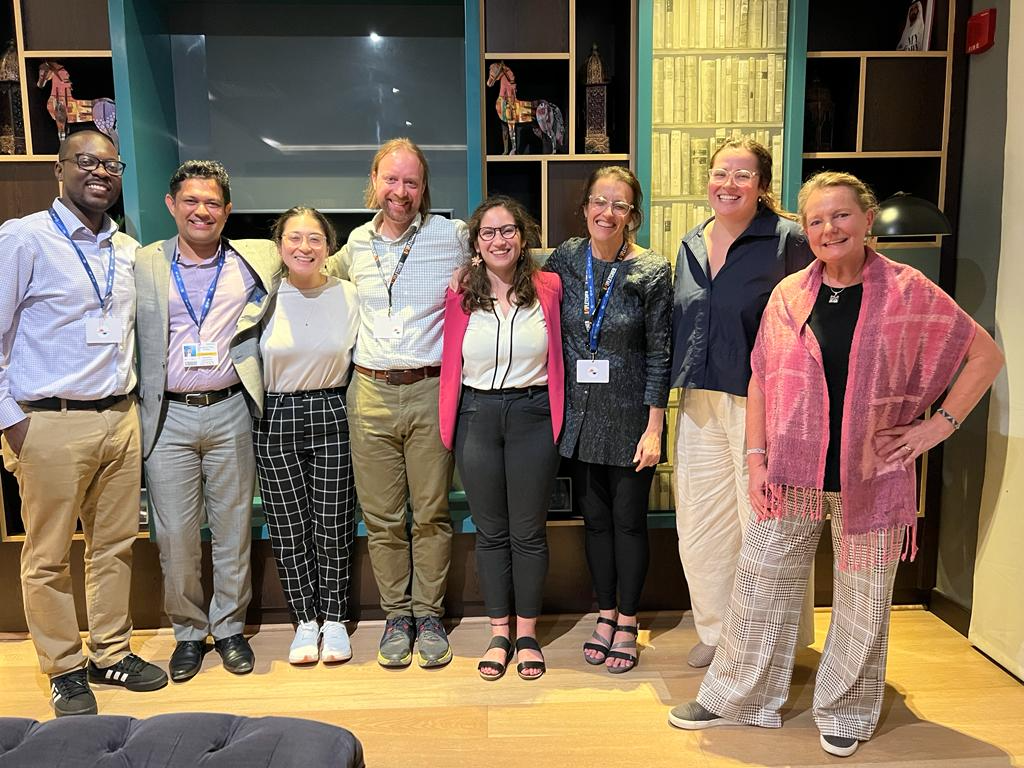
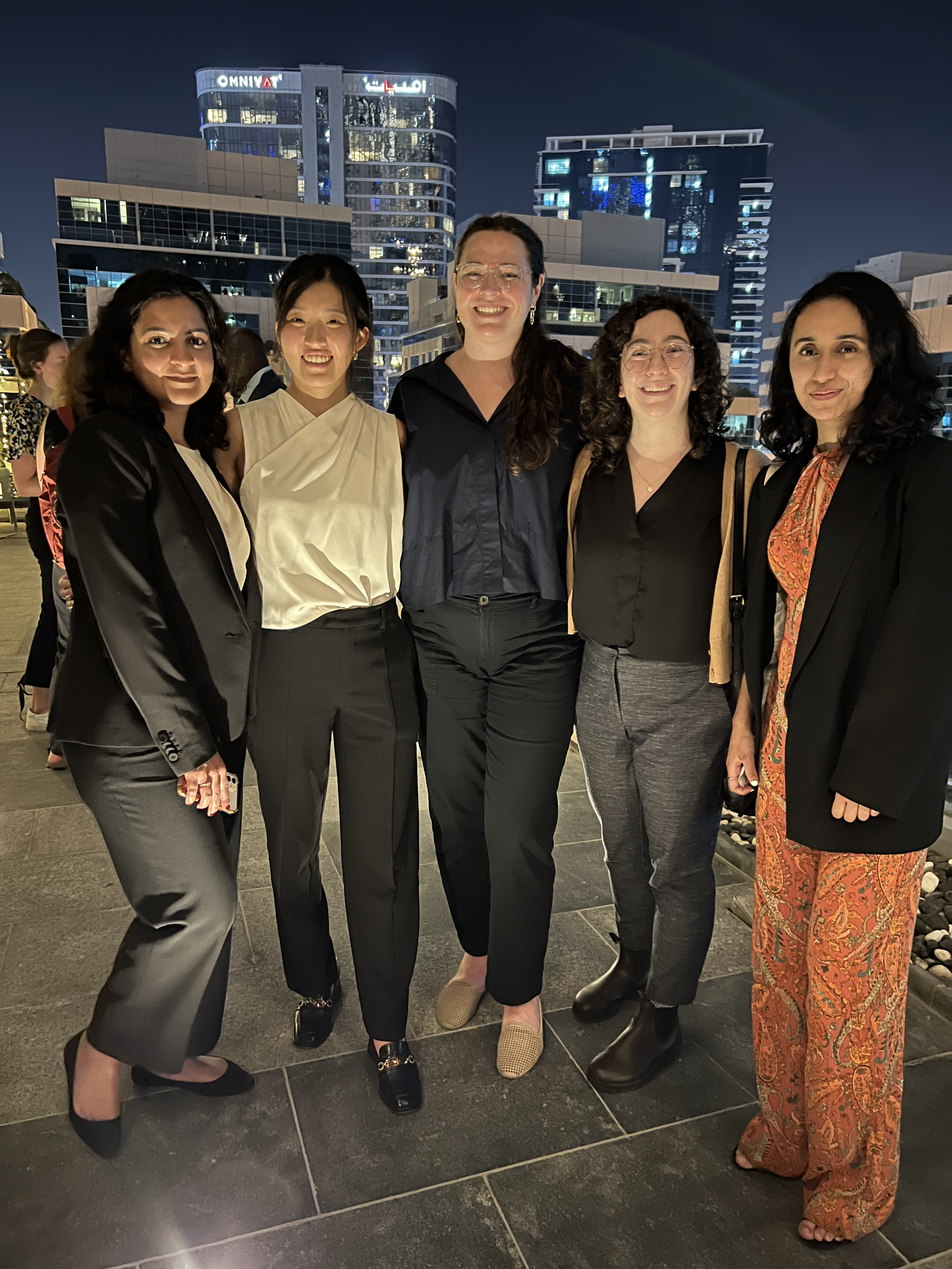
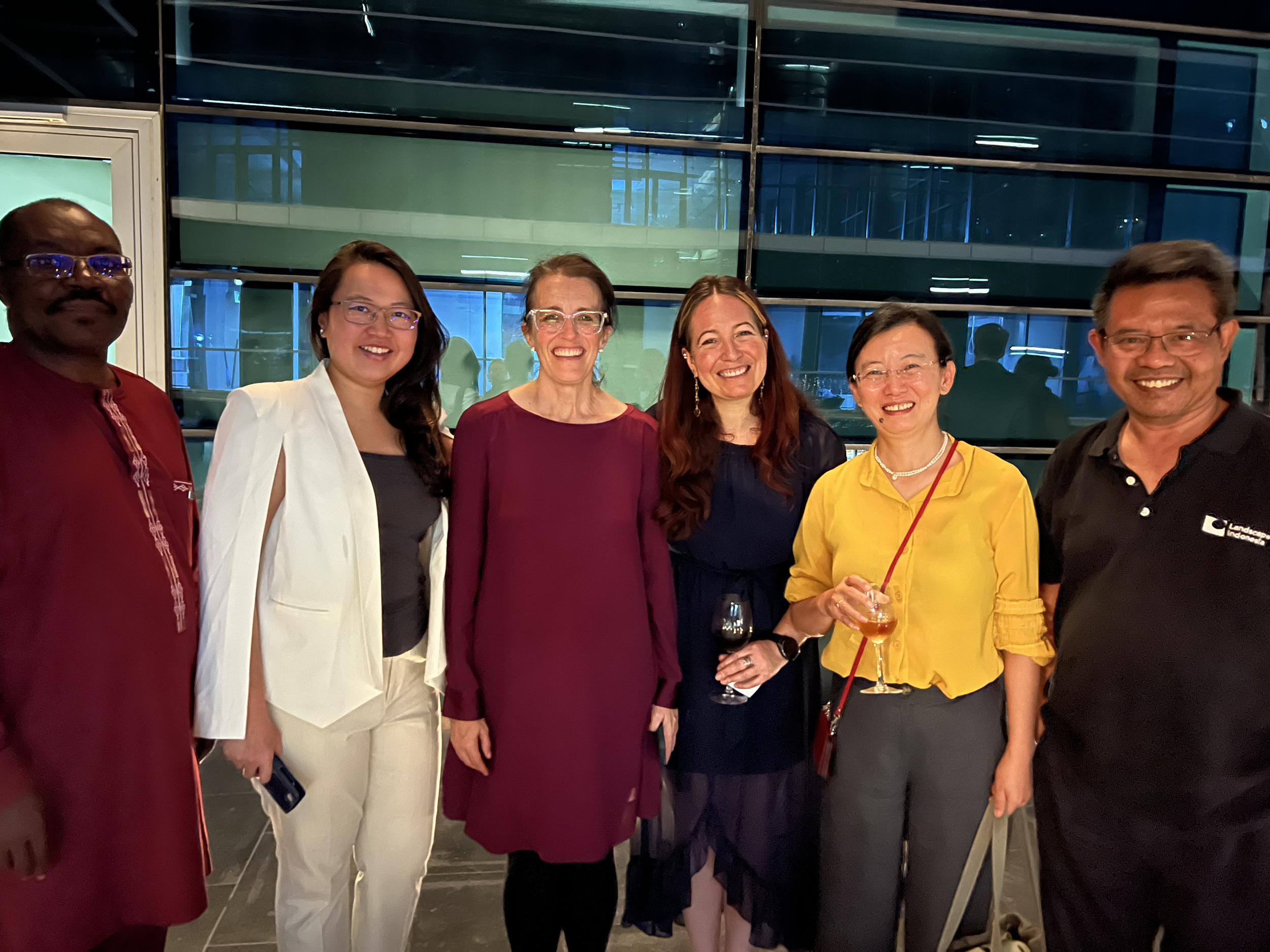
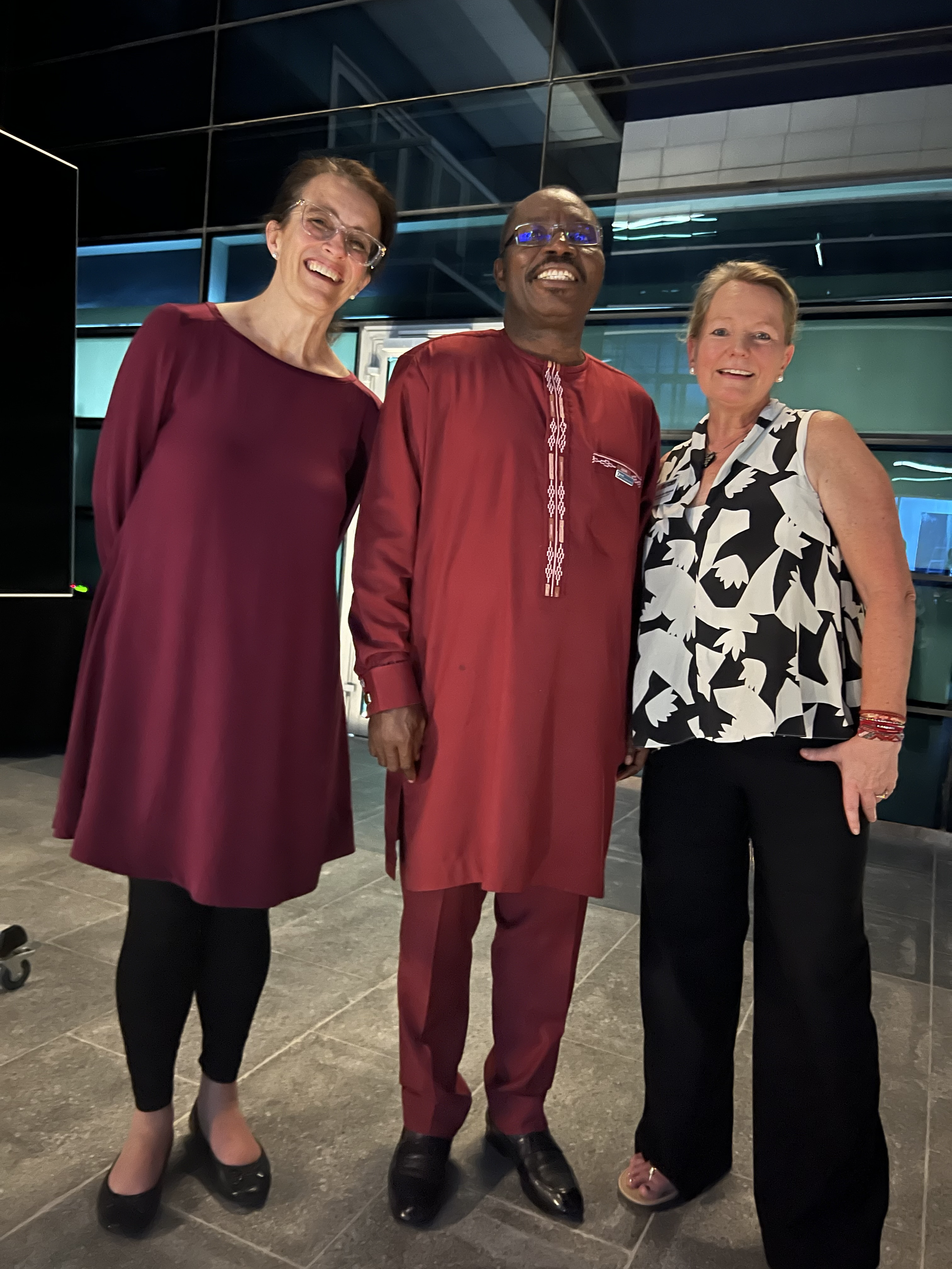
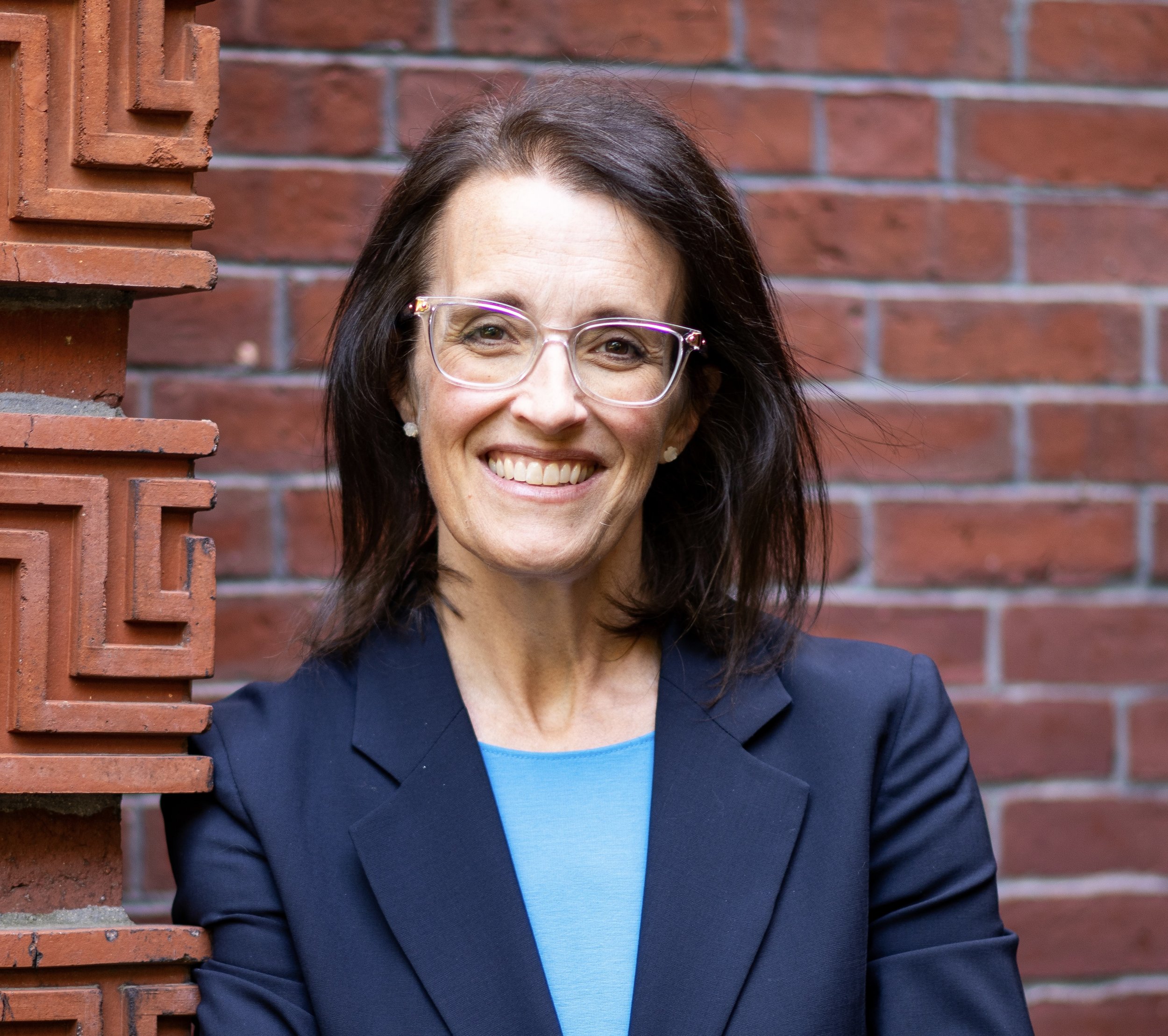
Meet the Tufts University COP28 Delegation
Climate Policy Lab Events at COP28
-
Date: December 1st — December 6th
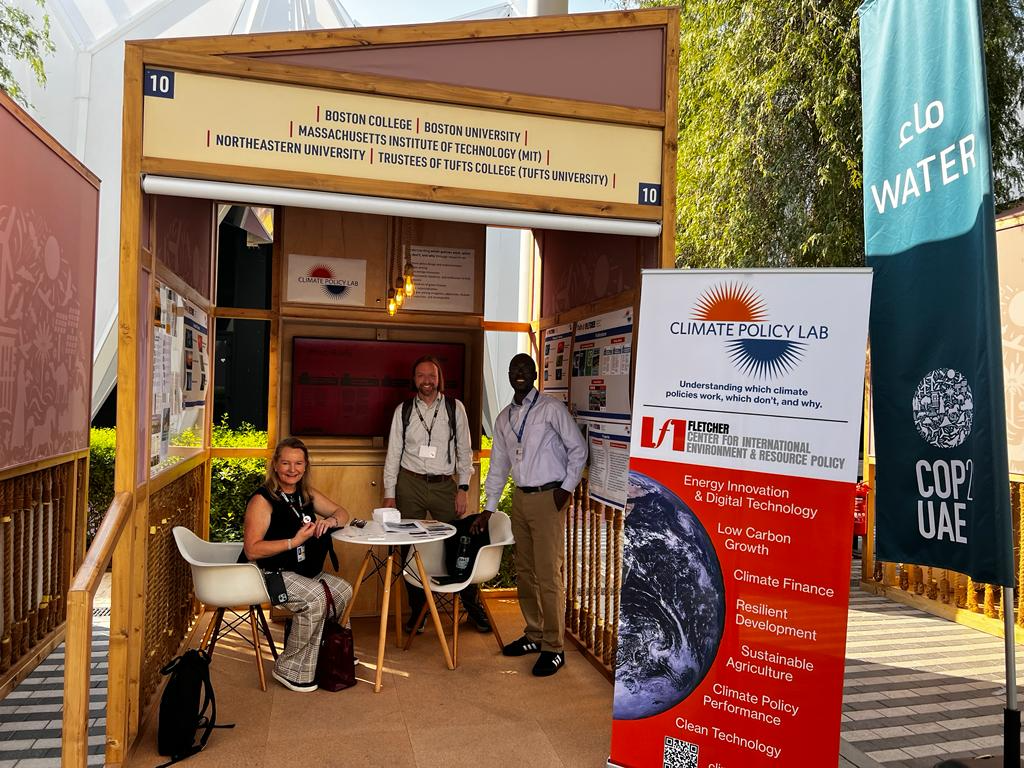
Location: Booth #10, Zone B6 (across from Building 76)
Organizers: Tufts University, Boston College, Boston University, Massachusetts Institute of Technology, and Northeastern University
-
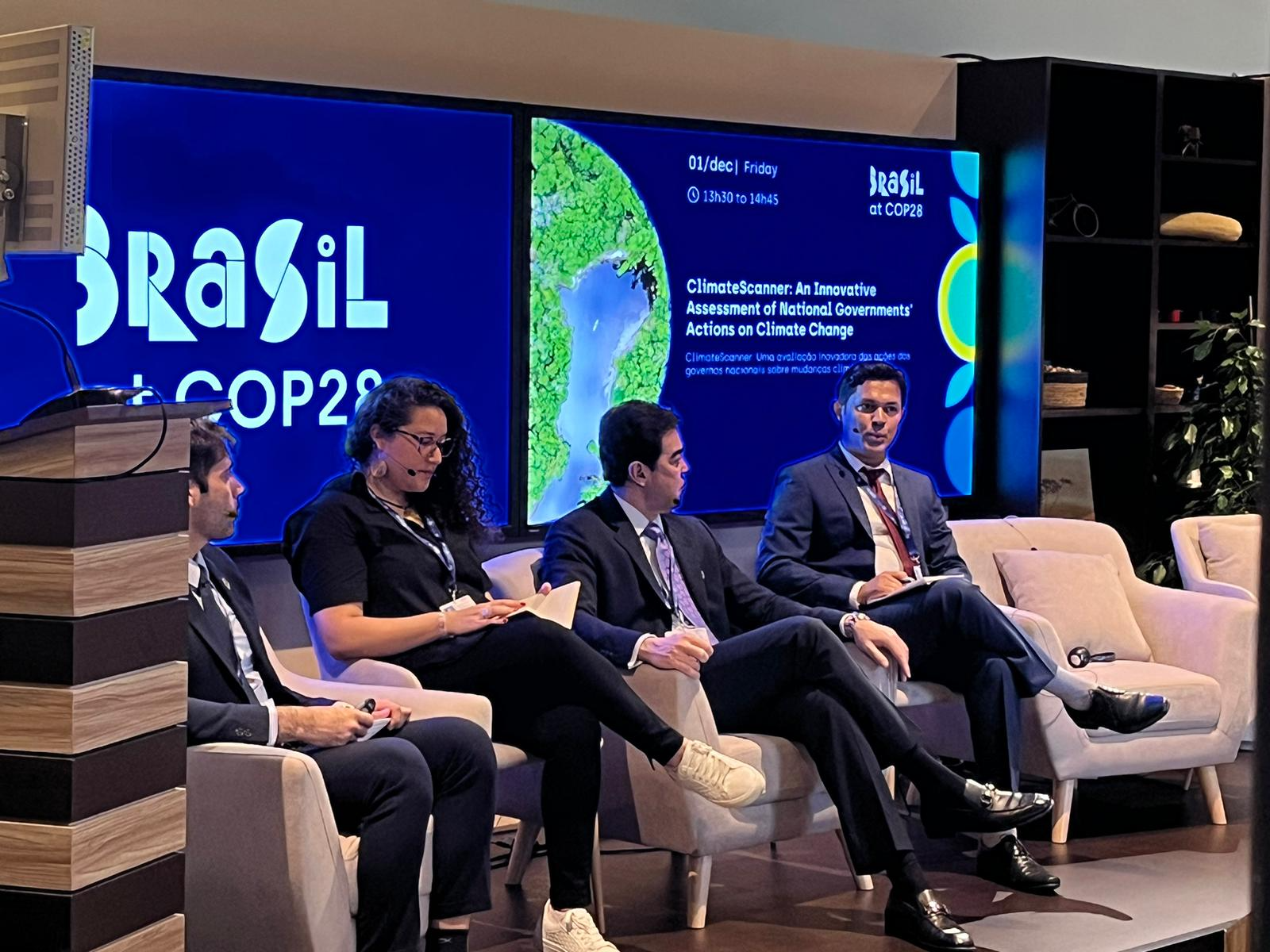
Date: Friday, December 1st
Time: 1:30pm — 2:45pm (GST)
Location: Brazilian Pavilion, Blue Zone
Speaker: Easwaran Narassimhan
Organizers: INTOSAI Working Group on Environmental Auditing and Brazilian Federal Court of Accounts
-
Date: Saturday, December 2nd
Time: 6:30pm — 8:00pm (GST)
Location: SE Room 5, Zone B6, Building 83
Livestream: https://www.youtube.com/watch?v=vGcN2pnqIvk
Speakers: Kelly Sims Gallagher, Easwaran Narassimhan, Ottmar Edenhofer, Elmar Kriegler, Jessica Strefler, Nico Bauer, Natalie Unterstell, and Detlef van Vuuren
Topic: We explore the scope of advanced mitigation measures to deepen near term emission cuts and better align global emissions with the 1.5°C limit based on latest results from mitigation scenario modelling. This is complemented by perspectives on facilitating deep decarbonisation in Brazil, India and the EU.
Organizers: Tufts University, CPR, PIK, Instituto Talanoa, and PBL
-
Date: Sunday, December 3rd
Time: 3:00pm — 4:30pm (GST)
Location: ICM Pavilion, Zone B7, Building 88
Speaker: Kelly Sims Gallagher
Topic: Raising Ambition in mitigating climate change through green growth and equitable economic transition strategies.
Organizers: ICM
-
Date: Monday, December 4th
Time: 5:00pm — 6:15pm (GST)
Location: IDB Group Pavilion, Blue Zone, B5, Building 56
Speaker: Easwaran Narassimhan
Topic: Institutional requirements for mobilizing climate finance
Organizers: INTOSAI Working Group on Environmental Auditing and The Inter-American Development Bank (IDB) Group
-
Date: Tuesday, December 5th
Time: 10:45am — 12:00pm (GST)
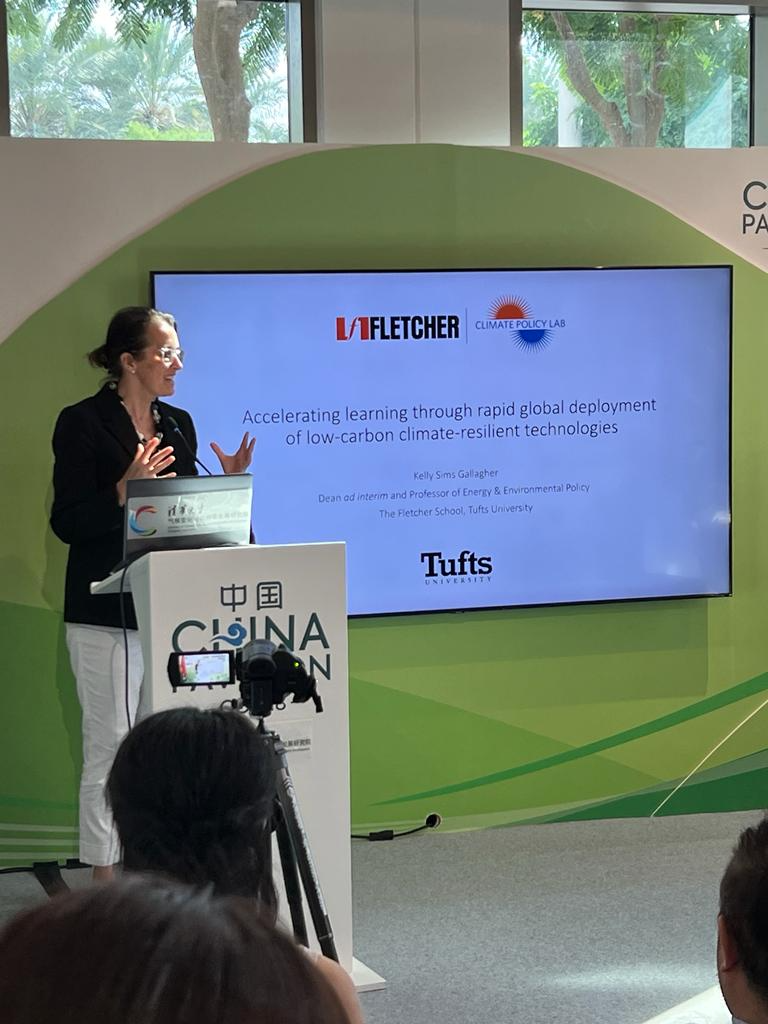
Location: China Pavilion, Zone B5, Building 58
Speaker: Kelly Sims Gallagher (keynote)
Topic: Accelerating learning through rapid global development of low carbon, climate-resilient technologies
-
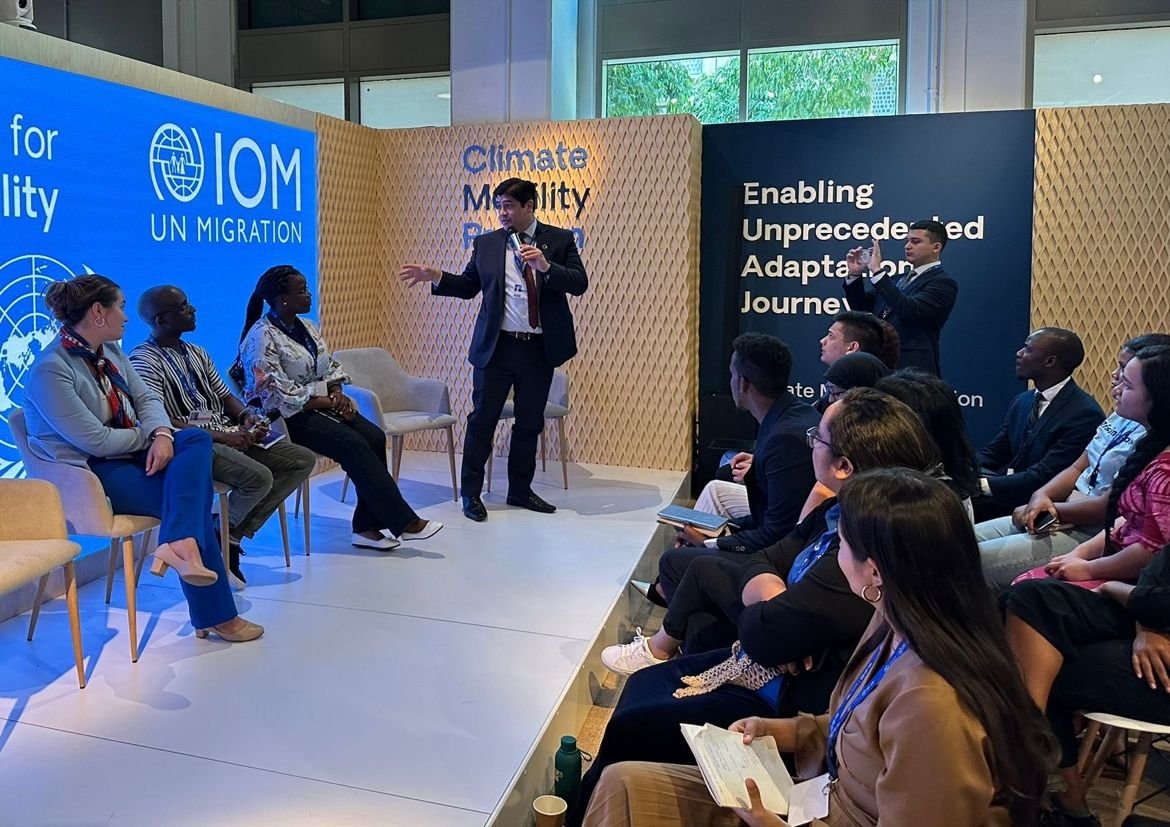
Date: Wednesday, December 6th
Time: 7:00pm — 9:00pm (GST)
Location: DoubleTree by Hilton Dubai
Speakers: Timothy Afful-Koomsin, Nancy Gleason , Carlos Alvarado Quesada, and Kelly Sims Gallagher
More information here
-
Date: Thursday, December 7th
Time: 2:00pm — 3:15pm (GST)
Location: Hotel Anantara Downtown
Speakers: Easwaran Narassimhan
Organizer: Indiaspora Climate Action Forum
-
Date: Friday, December 8th
Time: 9:00am — 9:30am (GST)
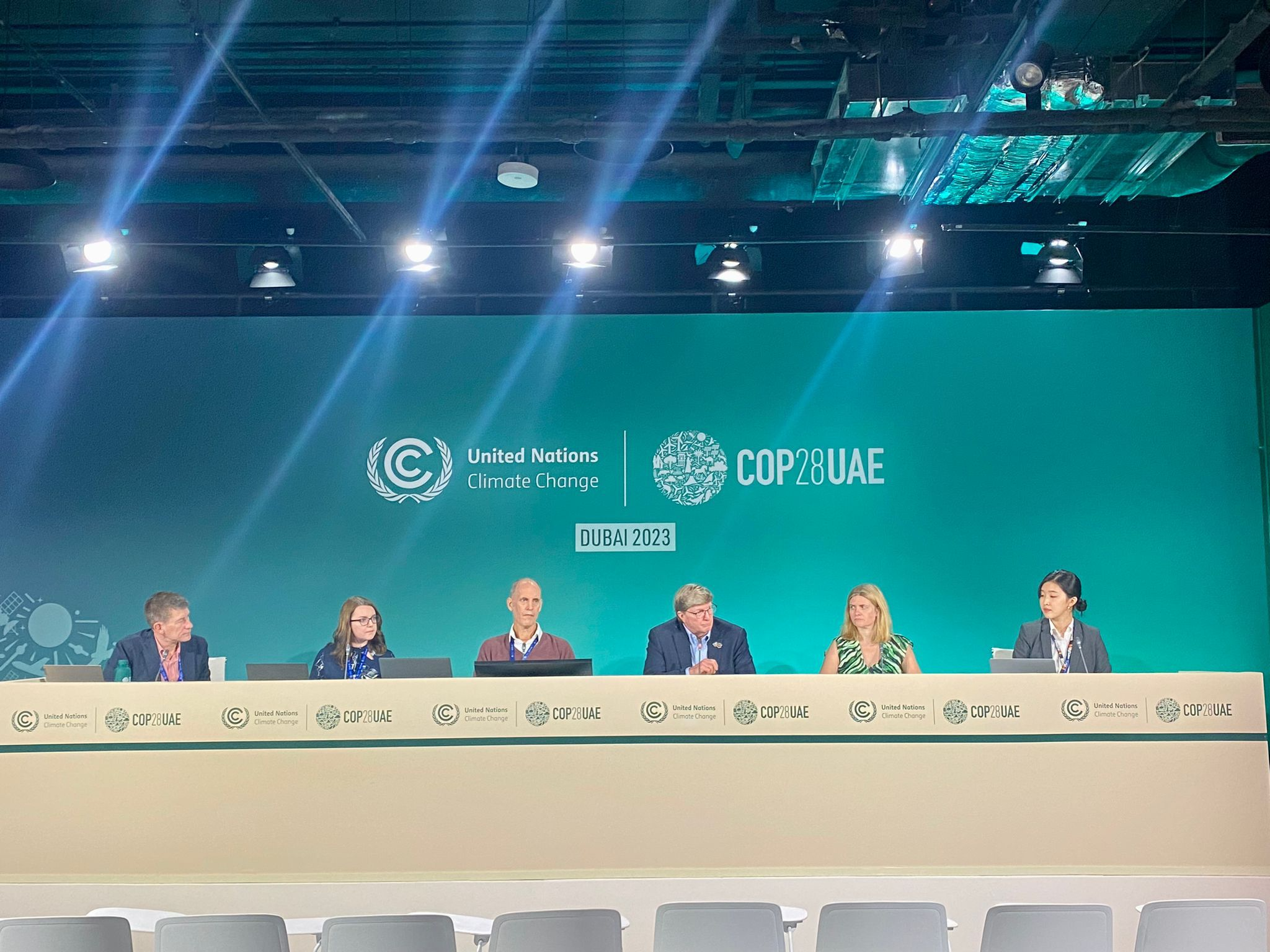
Location: Press Conference Room 2, Zone B6, Building 77
Speakers: Soyoung Oh, Regina Valdez (chair), Shaun Fitzgerald, Paul Holthus, Chelsey Baker, and Amy Ruddock
Topic: The panel will discuss how new and emerging greenhouse gas removal (GGR) approaches can play an important role in tackling climate change.
-
Date: Saturday, December 9th
Time: 12:00pm — 1:00pm (GST)
Speakers: Abay Yimere, David McGlinchey, and Christopher Schwalm
Location: Woodwell Pavilion, Zone B7, Building 87, Floor 1
Topic: This moderated panel discussion examines the results of a recently released climate risk analysis for Addis Ababa, Ethiopia.
Organizer: Woodwell Climate Research Center
-
Date: Sunday, December 10th
Time: 9:00am — 10:00am (GST)
Speakers: Soyoung Oh, Shaun Fitzgerald, Audrey Wagner, Aline Soterroni, Olivia Wallis, Heiko Baltzer, and Muhammad Huzaifa
Location: Higher Education Pavilion, Zone B7, Building 90 *there is a typo on the COP28 map*
Topic: This event will explore the critical role of how we manage landscape to support our journey towards net zero and beyond.
Organizer: University of Cambridge
COP28 News

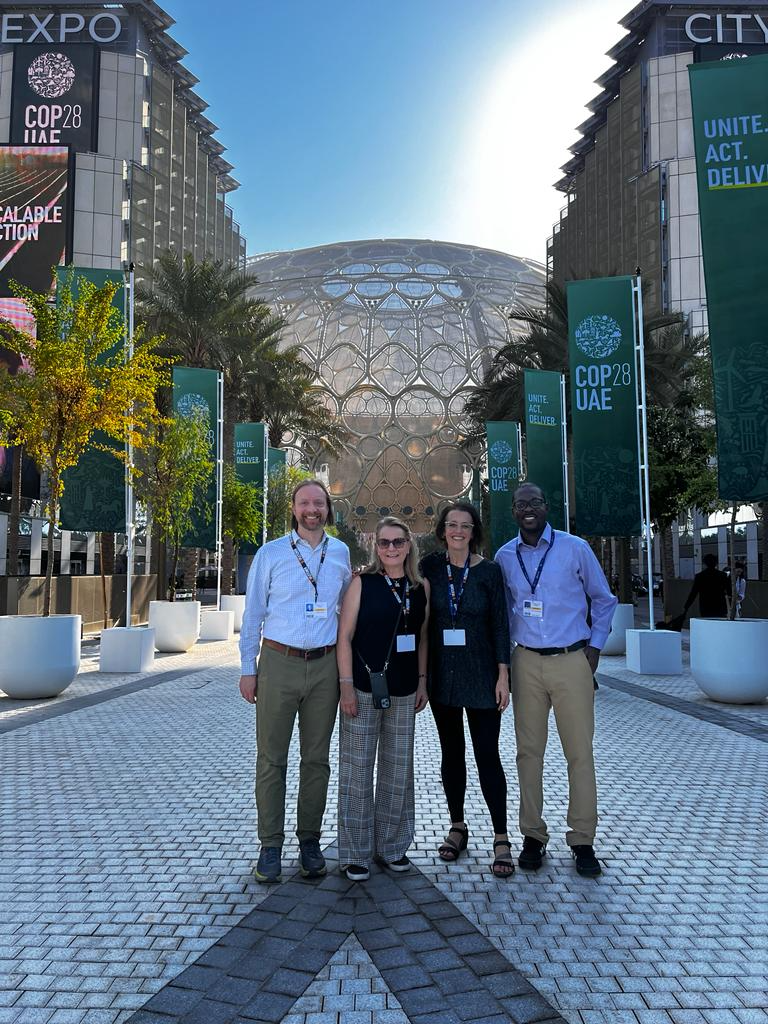
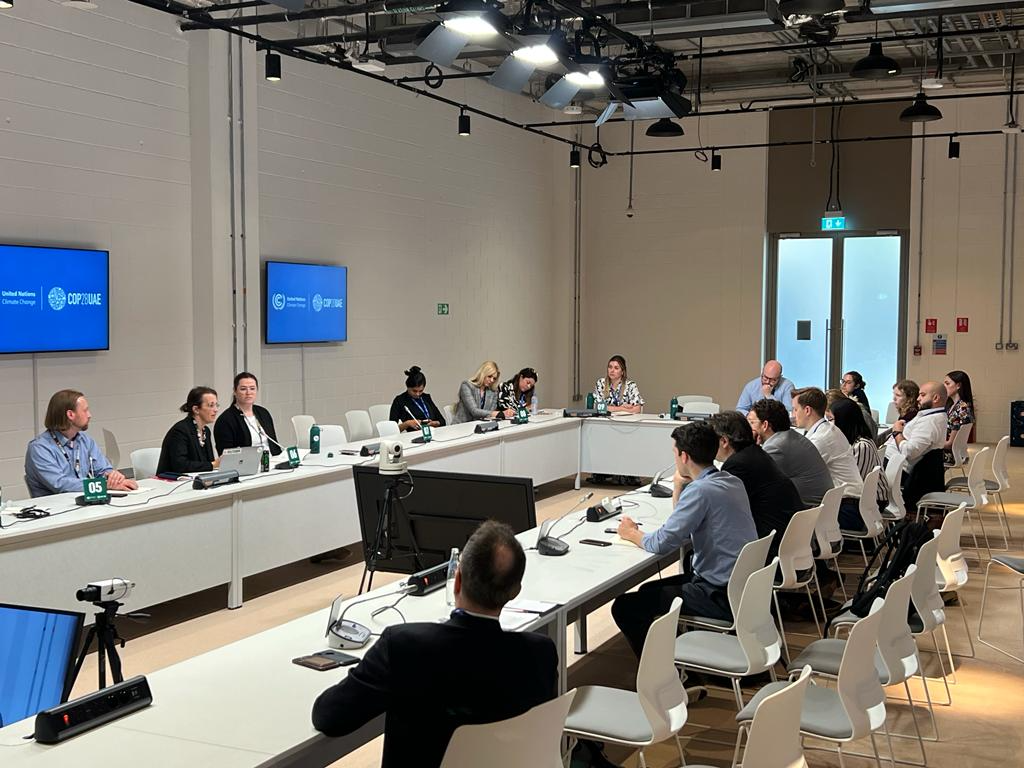
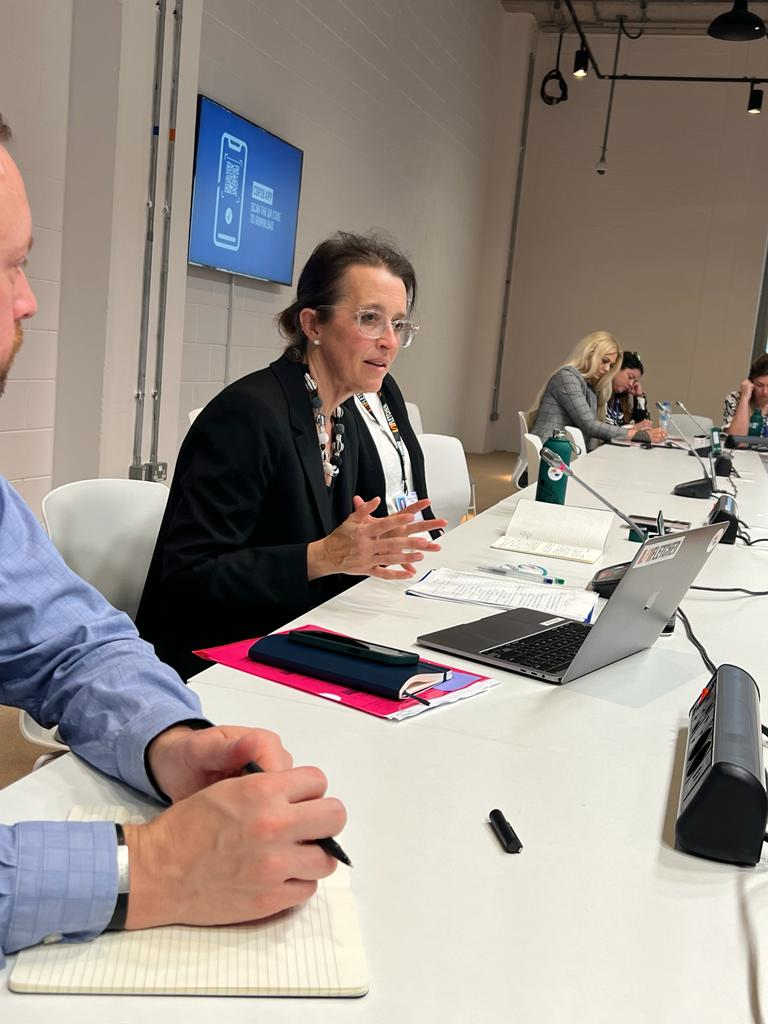
Photos from COP28
Blog Posts from the COP28 Delegation
As I embarked on my journey to COP28, anticipation and excitement filled my mind. I looked forward to immersing myself in the global investment landscape for climate innovations and the intricate world of science diplomacy. The prospect of participating in or observing climate negotiations on a global scale, where stakeholders from diverse backgrounds converged to address our planet's most pressing challenges, was quite thrilling.
Ahead of COP28, discussions around carbon removal emerged in the context of Article 6.4. Carbon removals refer to engineered or natural processes that remove CO2 from the atmosphere. With continued discussions at the 58th session of the SBSTA and pre-COP28 technical events, guidance on carbon removals under Article 6.4 was included in the recommendations. Despite the hopes adopting it at COP28, agreements on rules for carbon credits via removals were not made in Dubai.
As a student of climate policy with an interest in adaptation and finance, at the COP I was most curious to see how the conversation on financing adaptation is developing—within academic circles, multilateral development banks, and the private sector, whose need for increased participation in financing adaptation is widely recognized and demanded.
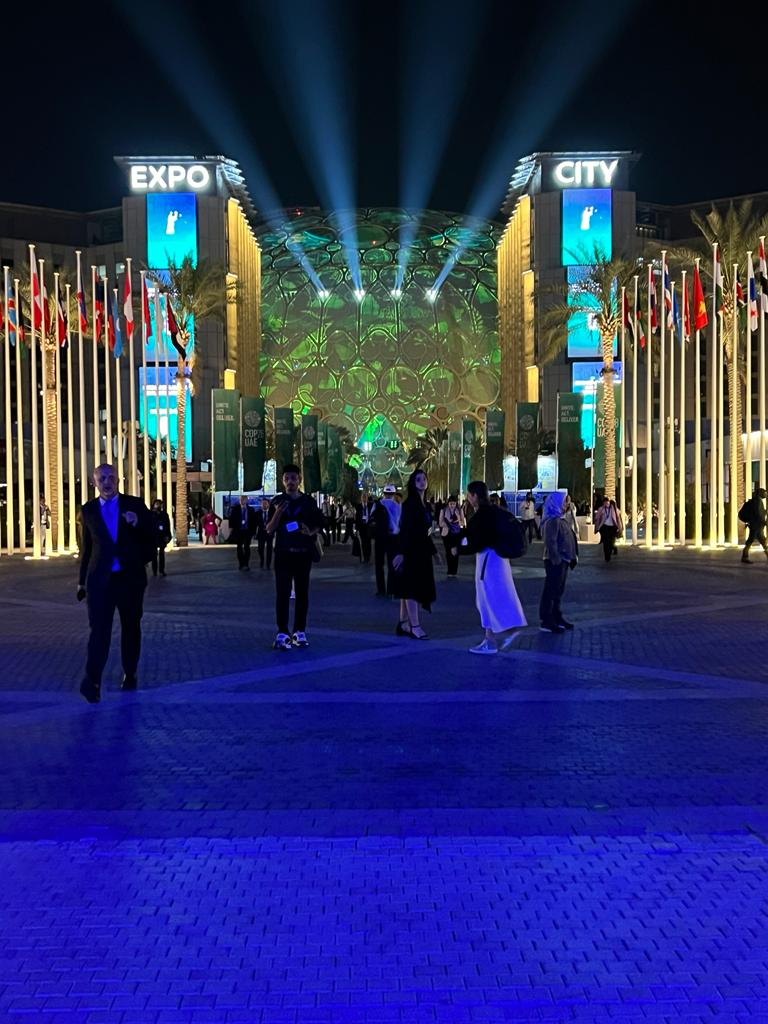
While the experience of COP was simultaneously exhilarating and exhausting, it was also impossible to ignore the elephant in the room. Expo City was an impeccable venue that ran like a machine. But the mechanisms that made for a nearly seamless user experience were well-oiled by the extraction of fossil fuels that are killing our planet and are in large part responsible for us needing to have a conference of the parties in the first place.
Coming into the second week of COP28 in Dubai, I was advised to temper my expectations for progress towards consensus from negotiations in the two areas I was most interested in observing: climate adaptation and loss and damage. However, one theme that was especially popular this year was nature-based solutions and the concept of “blue carbon,” which promotes the role of coastal and ocean ecosystems in increasing the resilience of onshore communities, as well as protecting and building carbon sinks for the purpose of mitigating net greenhouse gas emissions.
What is the day in the life at COP28? Mieke van der Wansem takes you through a typical day filled with events, meetings, and meals at COP28 in Dubai.
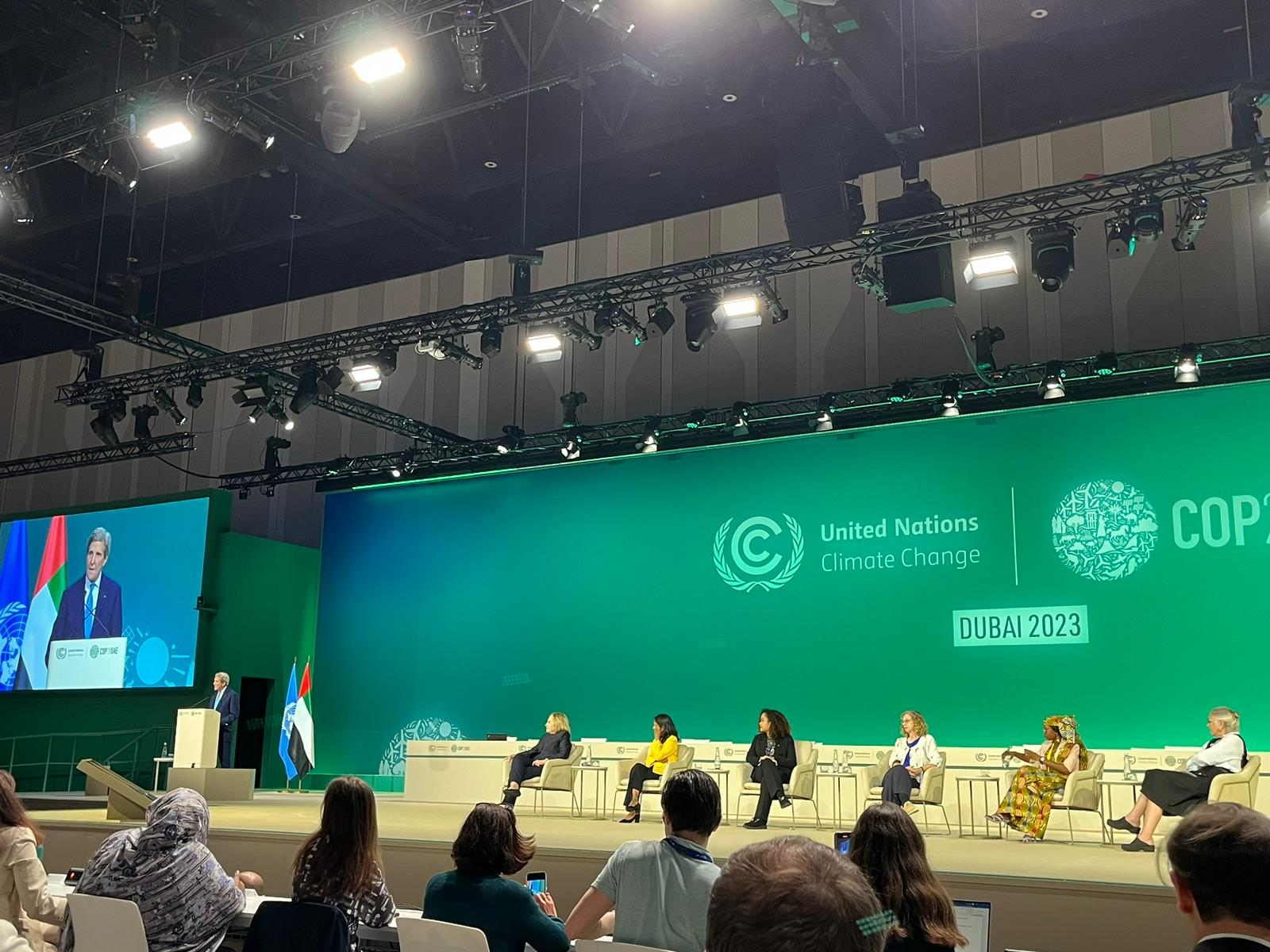
I attended the first week of COP28 in Dubai. The hours-long lines in the sun of the first few days are now a memory and I'm eagerly awaiting the text of the COP decision. Hopefully countries will end the meeting with an ambitious final agreement but, at the moment, it seems doubtful because of a particularly contentious point: the language surrounding a fossil fuel "phase out" or "phase down". It was expected to be this year’s biggest sticking point and it has lived up to expectations.
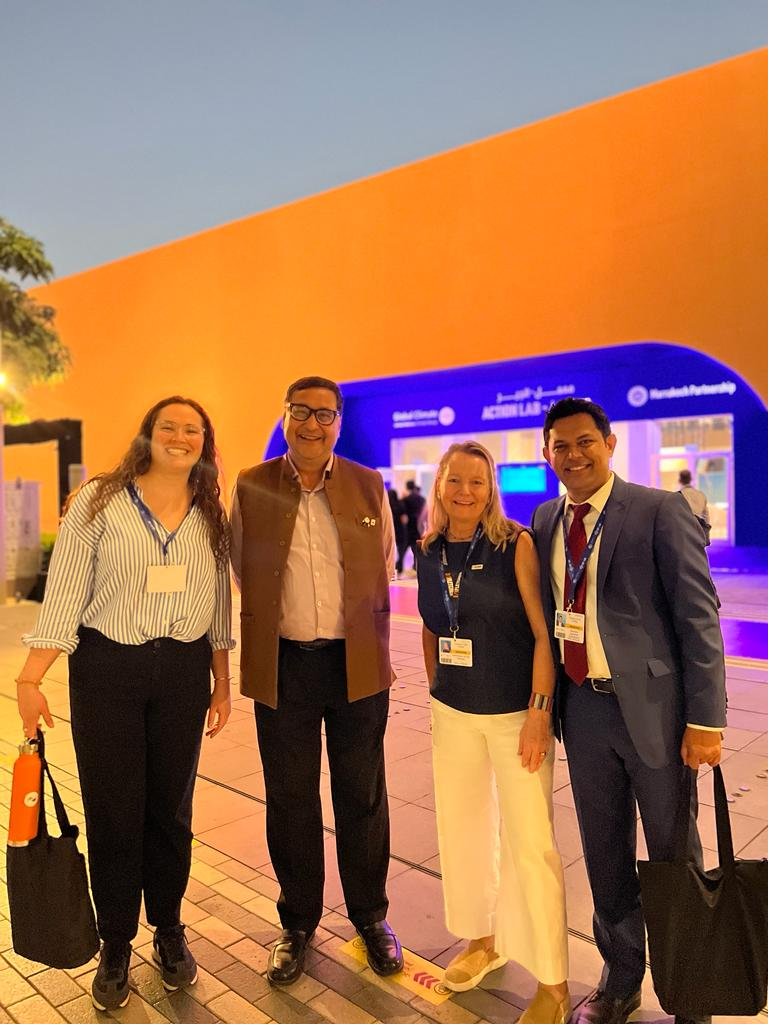
As a pre-doctoral researcher with a focus on financing climate action in developing economies, my primary objective for attending COP28 was to monitor progress of negotiations on three key climate finance topics: the Loss and Damage Fund, the new collective and quantified goal (NCQG) for climate finance, and reforms of multilateral development banks (MDBs).
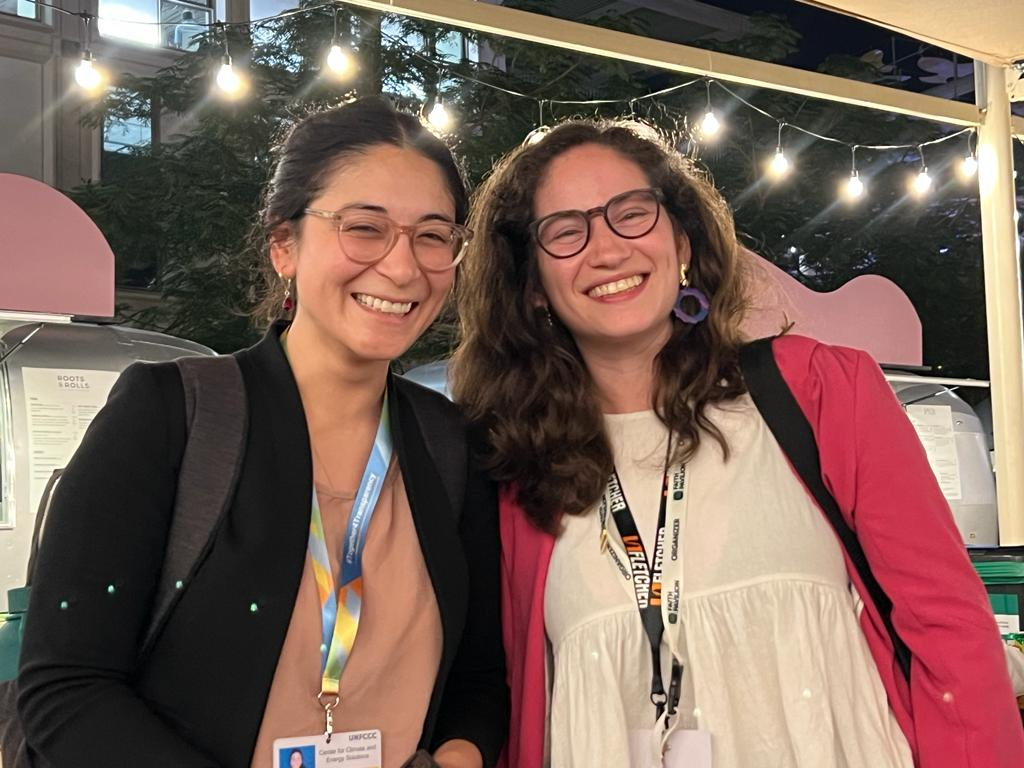
The COP negotiation process has been stuck forever in lexical semantics, with respective countries arguing over each word in the negotiating text to ensure the least amount of global climate action burden for themselves. Nevertheless, establishing a loss and damage fund and mobilizing finance for the adaptation fund are significant wins so far, and these small wins continue to provide hope for a more significant collective ambition in the future.
The end of the first week of the annual climate negotiations nearly always produces a feeling of malaise and pessimism. And sure enough, as we conclude the first week of #COP28 in Dubai, the progress in the global climate negotiations seems too slow, the outcomes too uncertain, and the whole scene to be strangely divorced from reality (or perhaps a true reflection of the actual political pressures on the process). The main concrete progress in the first week, on the first day, was on operationalizing the Loss and Damage Fund, with some initial pledges made by Europe ($250 million +), the United States ($17.5 million), and a few other countries. The US also made a pledge to the Green Climate Fund of $3 billion (with no clarity how it will pay for it given Congressional opposition).
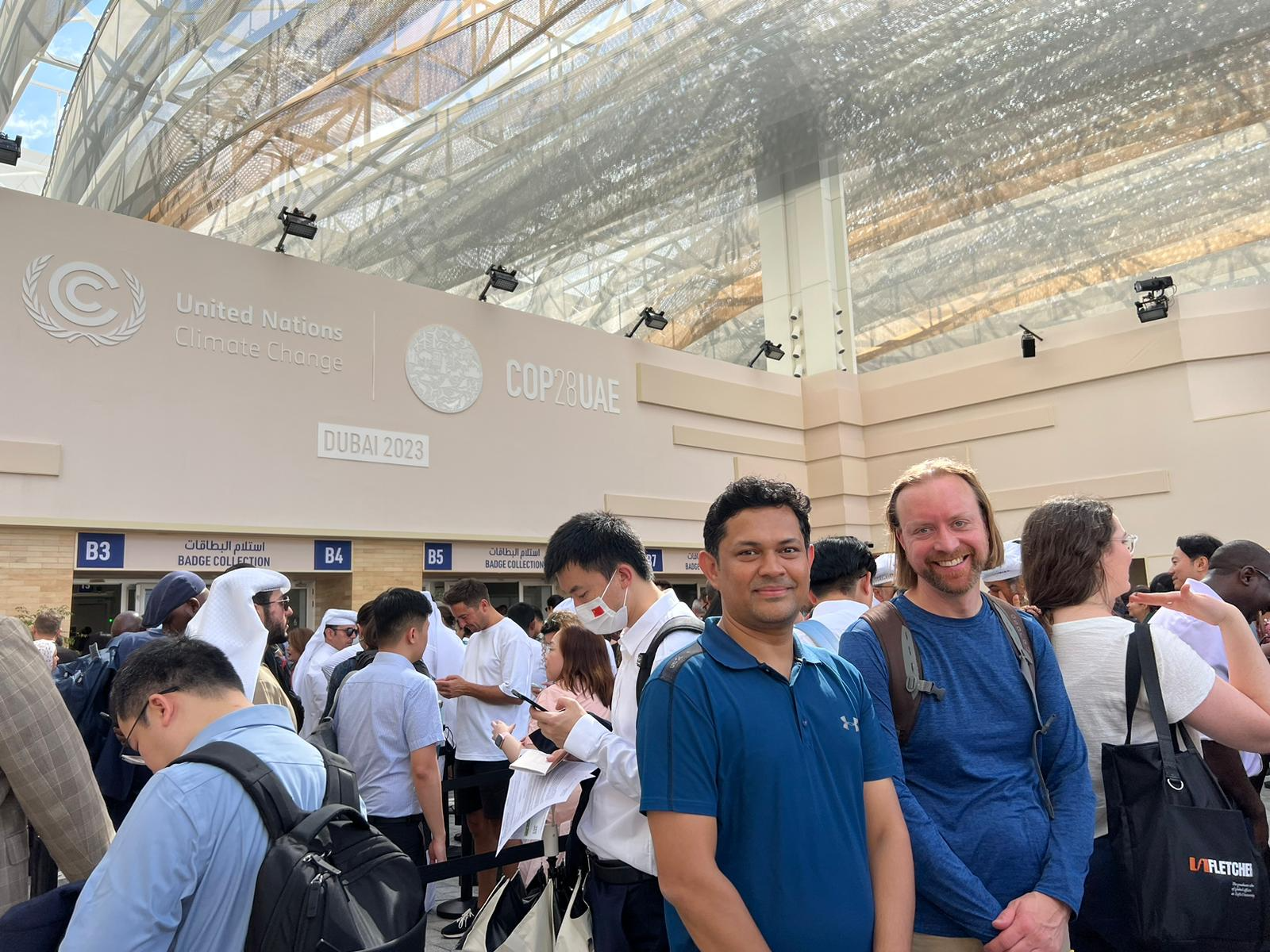
The negotiations and fanfare have officially kicked off at the 28th Conference of the Parties in Dubai with reports of over 80,000 people attending the conference this year. After two days of speeches and plenaries at the high-level Climate Action Summit, world leaders have announced a series of large commitments – some meaningful, some symbolic – and most have headed back to their home countries. Starting yesterday (December 3rd), the conference shifted focus to key negotiations and thematic days. The backdrop of the conference is sunny, hot Dubai. We are currently in one of the cooler times of the year, but limited tree cover means significant sun exposure in the lines to get into the venue. Once inside Expo City, you can mostly manage to stay cool in the shade, but the venue is sprawling and the walk from one end to the other is long and primarily outdoors. Overall, it is an interesting setting for talks about limiting global warming to ‘well below 2 degrees Celsius’. The heat here – apparently nothing compared to the summer months – puts the dangers of a hotter world into stark perspective.
Explore CPL’s Research Themes

Read More About CPL’s Data Work
Accurate and transparent data is fundamental to climate and energy research at Climate Policy Lab (CPL) and beyond. Climate Policy Lab develops analytical tools and government-engagement programs to assist policy makers to estimate the emissions reductions or avoided emissions for specific policies or a range of complementary policies within the context of national political, societal, cultural, and technical landscapes. We believe that access to accurate and transparent data collection and analysis facilitates more ambitious climate action and improves the level of success in achieving urgent climate action goals.
Publications
Kuhl, Laura (2019). Synergies between Climate Policies and the Sustainable Development Goals in Haiti. Available at SSRN. (February 28, 2019).
Huang, Ping, Li, Ping. (2019). Politics of urban energy transitions: new energy vehicle (NEV) development in Shenzhen, China. Environmental Politics.
Gallagher, K.S., Zhang, Fang, et.al. (2019). Assessing the Policy gaps for achieving China’s climate targets in the Paris Agreement. Nature Communications.
Gallagher, K.S. and Xuan, X. (2019). Titans of the Climate: Explaining Policy Process in the United States and China. MIT Press.
Metcalf, G.E. (2019). Paying for Pollution: Why a Carbon Tax is Good for America. Oxford University Press.
Haites, Erik, Gallagher, K.S., Narasshiman, E., et al. (2018). Experience with Carbon Taxes and Greenhouse Gas Emissions Trading Systems. Duke Environmental Law & Policy Forum, pp. 109-18 (2018).
Mazzucato, M., Semieniuk, G., Gallagher, K.S., Huang, P. et al. (2018). Bridging the gap: The role of innovation policy and market creation. UN Environment Programme Emissions Gap Report 2018, pp. 52-60.
Bhandary, Rishikesh Ram. Opportunities and Challenges in International Cooperative Approaches of the Paris Agreement. Carbon & Climate Law Review, Volume 12, Issue 3, 2018.
Narassimhan, E., and Johnson, C. (2018). The role of demand-side incentives and charging infrastructure on plug-in electric vehicle adoption: analysis of US States. Environmental Research Letters 13(7).
Narassimhan, E., Gallagher, K. S., Koester, S., & Alejo, J. R. (2018). Carbon pricing in practice: A review of existing emissions trading systems. Climate Policy, DOI: 10.1080/14693062.2018.1467827
Kuhl, L. (2018). Potential contributions of market-systems development initiatives for building climate resilience. World Development (108), 131-144.
Mehling, M. A., Metcalf, G. E., & Stavins, R. N. (2018). Linking climate policies to advance global mitigation. Science, 359(6379), 997-998.
Anadon, L., Gallagher, K., & Holdren, J. (2017). Rescue US energy innovation. Nature Energy.
Gallagher, Kelly Sims. (2017). Acting in Time on Energy Policy, (editor) Beijing, China: China Environmental Science Press (中国环境科学出版社)
Cohn, A., Newton, P., Gil, J., Kuhl, L., Samberg, L., Ricciardi, V., Manly, J., Northrop, S. (2017). Smallholder Agriculture and Climate Change. Annual Review of Environment and Resources, 42(1).
Metcalf, G.E. The Impact of Removing Tax Preferences for U.S. Oil and Gas Production. Journal of the Association of Environmental and Resource Economists Vol. forthcoming (2017)
Bhandary, R. R. (2017). Coalition strategies in the climate negotiations: an analysis of mountain-related coalitions. International Environmental Agreements: Politics, Law and Economics, 17(2), 173-190.
Zhang, F., Huang, K. (2017). The role of government in industrial energy conservation in China: Lessons from the iron and steel industry. Energy for Sustainable Development (39), 101-114.
Funk, P., Xue, L. Liang, Z., Gallagher, K.S., Cowhey, P. F., Fuchs, E.R.H. (2017). Why China needs data sharing to address its air-quality challenge. Natl Sci Rev 2017 doi: 10.1093/nsr/nwx059
Gray, W.B. and Metcalf, G.E. Carbon Tax Competitiveness Concerns: Assessing a Best Practices Carbon Credit. National Tax Journal Vol. 70 Iss. 2 (2017) p. 447 - 468
Metcalf, G.E., Stock, J. Integrated Assessment Models and the Social Cost of Carbon: A Review and Assessment. Rev Environ Econ Policy (2017) 11 (1): 80-99.
Gallagher, K.S., Zhang, F. (2016) "Innovation and technology transfer through global value chains: Evidence from China's PV industry" Energy Policy Vol. 94 (2016) p. 191 - 203
Metcalf, G.E. "A Conceptual Framework for Measuring the Effectiveness of Green Fiscal Reforms" International Journal of Green Growth and Development Vol. 2 Iss. 2 (2016) p. 87 - 126
Davis, L.W. and Metcalf, G.E. "Does Better Information Lead to Better Choices? Evidence from Energy-Efficiency Labels" Journal of the Association of Environmental and Resource Economists Vol. 3 Iss. 3 (2016) p. 589 - 625
Hafstead, M., Metcalf, G.E. and Williams, R.C. (2016). Adding Quantity Certainty to a Carbon Tax: The Role of a Tax Adjustment Mechanism for Policy Pre-Commitment. RFF Discussion Paper 16-43
Biagini, B., Kuhl, L., Gallgher, K., Ortiz, C. (2015). Technology transfer for adaptation. Nature Climate Change 4, 828-834.
Gallagher, Kelly S. (2014). The Globalization of Clean Energy Technology: Lessons from China. MIT Press.
Narassimhan, E. (2020). Electricity-sector transitions for green industrialization: a case study of Ethiopia. Center for Strategic and International Studies (CSIS)
Bhandary, R., Karber, K., Narassimhan, E., Pandey, B. (2020). Scaling Up Solar Pumps for Irrigation and Domestic Water Use in Ethiopia: The Role of Blended Finance. Climate Policy Lab.
I began this post on the eve of my first COP in the equal spirits of awe and skepticism. Every COP is an enchanting contradiction, I am told. Here, the UNFCCC plots a trajectory for course correction from the shadow of a combustion engine in the shape of a city. On arrival, a cab ferried me along an arterial highway fourteen lanes deep, threading through desert overlain with golf courses. I am not exempt from contradictions either, traveling by air alongside some eighty-four thousand others; by week’s end, the two planes that carried me from Boston and Dubai had emitted 4.7 tons of CO2.